DESCRIPTION
Abbot Ale is a traditional English ale produced by Greene King at the Westgate Brewery in Bury St Edmunds, Suffolk. It is often classified as a strong bitter or premium bitter due to its richer body and higher alcohol content than common pub bitters. The brewer presents it simply as a malty, fruity, and warming ale, available both in bottle and cask form.
The initial description captures its overall balance, but its profile is more complex than a simple combination of caramel and bitterness. Pale and amber malts build notes of biscuit and malty drink, while four English hop varieties contribute herbal, floral, fruity, and spicy notes. Slow fermentation rounds out the bouquet with esters reminiscent of ripe fruit.
A beer born in 1951
Bury St Edmunds' brewing tradition has ancient roots, but Abbot Ale isn't a medieval recipe or an abbey-brewed beer. It was created in 1951 by master brewer Bernard Tickner and initially sold only in bottles. The cask version arrived later, making it a familiar feature in British pubs.
The name was chosen through a competition. The winning entry was inspired by the ancient abbey of Bury St. Edmunds, an important historical landmark of the town. The reference to the abbot therefore relates to local identity and does not indicate the recipe's monastic origins.
Greene King continues to brew it at the Westgate Brewery, the company's historic home. The graphics, label, and shape of the pub pump have changed over time, but the basic recipe remains rooted in the same balance of malt, fruit, and hops.
I look in the glass
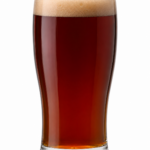
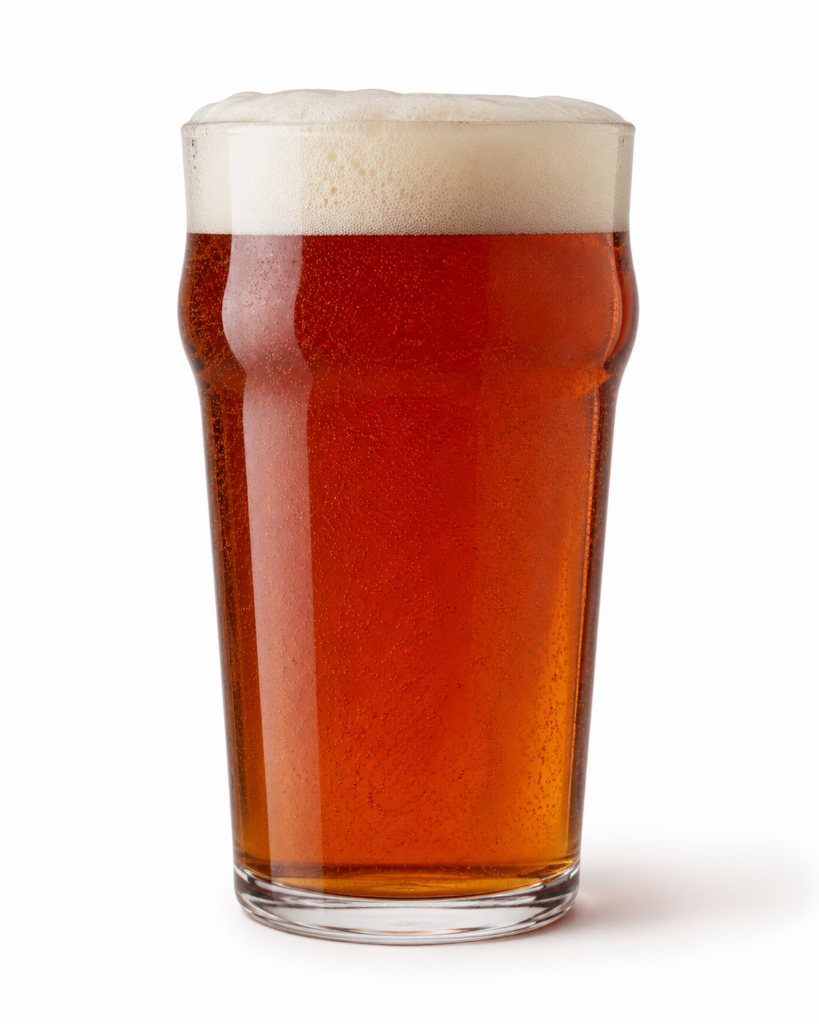
Abbot Ale has a deep amber color, with copper and reddish hues that are especially visible when held up to the light. Clarity depends on the format and serving conditions. Bottled beer tends to be bright, while a cask-drawn pint may appear slightly duller.
The head is ivory-colored, fine, and creamy. The cask version has lower natural carbonation and a smooth texture, with a firm but not excessively high head. The bottle, however, offers a slightly more pronounced effervescence. Both versions maintain a 5% ABV.
Light and amber malts
Abbot Ale's structure is born from the combination of pale malt and amber malt. The former provides the grainy base and supports fermentation, while the latter adds color and nuances of biscuit, toast, and light caramel.
On the nose, hints of fruitcake, raisins, dried fruit, and toffee can also be detected. These are primarily sensory descriptors developed through malt, yeast, and fermentation; they don't indicate that fruit, biscuits, or caramel have been added to the beer.
The malty character is evident, but it should not be confused with a lackluster sweetness. Abbot Ale retains enough bitterness to keep the sip balanced and avoid a cloying finish.
The role of English hops
The recipe uses Challenger, Pilgrim, First Gold, and Fuggle. Challenger and First Gold contribute the herbaceous and bitter base, while Fuggle, added in the final stages, develops floral, fruity, and delicately spicy notes. Pilgrim completes the bitter structure.
The result isn't reminiscent of a modern IPA: there are no bursts of tropical citrus or resin. The hops work more discreetly, intertwining with the malt and the fruity component of fermentation. This approach is typical of many traditional English ales, in which no single element should aggressively dominate.
Taste, body and finish
The palate is smooth and full-bodied, with flavors of biscuit, toasted cereal, and caramel. Ripe fruit, raisins, and a light spice follow. The body is medium, rich enough to provide a satisfying sensation without making the beer heavy.
The bitterness gradually builds and accompanies a dry, herbaceous, and persistent finish. The sweetness and bitterness have a similar intensity, which explains the harmonious taste. The 5% ABV produces a moderate sensation of warmth, more noticeable when the beer is served at the correct cellar temperature.
Calling it "velvety" is particularly fitting for the cask version, which is less carbonated and smoother. In the bottle, the profile may seem slightly livelier and sharper, while maintaining the same aromatic elements.
How to serve it
To appreciate the cask version, it's important to choose a pub that takes proper care of storage, rotation, and clean lines. A poorly served real ale can taste flat, oxidized, or have aromas foreign to the recipe. The traditional cellar temperature, approximately 11-13°C, allows you to perceive the malt, fruit, and hops without overemphasizing the alcohol.
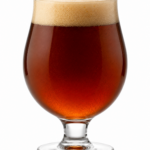
The bottle can be served slightly chilled, avoiding an excessively cold refrigerator. An English pint glass is the most appropriate choice; alternatively, a simple glass can be used, especially when you want to more closely observe the aromas.
Pour the liquid from the bottle evenly, allowing a moderate amount of foam to form. Shaking is not necessary.
Food pairings
Abbot Ale pairs well with classic Sunday roasts, especially beef, pork, and lamb with potatoes. The malty notes evoke the browned sides of the meat, while the bitter finish balances sauces and condiments.
It's also suitable for meat pies, sausages with mash, burgers, shepherd's pies, and pork pies. Aged Cheddar, Red Leicester, and other hard English cheeses work well with cheeses. It can also pair well with a not-too-sweet fruit cake, creating a seamless blend of raisin and malt flavors.
Food container
Bottles should be stored upright, in the dark, and at a stable temperature. Abbot Ale is not intended for long-term aging: consuming it within the period indicated on the package helps preserve its delicate hoppy balance. The cask version, on the other hand, should be drunk fresh after opening the keg and depends largely on proper pub management.
In conclusion
Abbot Ale is a strong English bitter created in 1951 and named after the history of Bury St. Edmunds. Its character combines biscuit, ripe fruit, amber malt, and traditional hops, with a dry, bitterish finish. The cask version offers the most typical experience, while the bottled version retains a more lively character and is easier to enjoy at home.
The board

Brewer style

Alcoholic degrees

Service temperature

Recommended mug