DESCRIPTION
Beltaine Chestnut is an Italian craft beer brewed in Granaglione, in the Bologna Apennines, by the Beltaine Brewery. The beer described is the "Chestnut Special," also known as "La Gialla": an unfiltered, unpasteurized, bottle-fermented amber beer with an alcohol content of 6%.
Its distinctive feature is the use of chestnuts from the Apennines, declared in a ratio of 40% to 60% barley malt. The recipe also includes water, sugar, hops, and yeast. Despite the presence of chestnuts, this is not a gluten-free beer, as it contains barley malt.
It's important to distinguish it from the "Double Malt Smoked Chestnuts and Juniper," another Beltaine product. The Chestnut Special does not use smoked chestnuts, and its official description does not list chestnut honey. The notes of smoke and honey present in the initial text should therefore not be considered definitive characteristics of this specific brew.
A beer linked to the Bolognese Apennines
The Beltaine microbrewery was founded in 2004 in Granaglione, now part of the municipality of Alto Reno Terme. The project was developed with the aim of promoting chestnuts and other mountain produce through artisanal brewing.
The name Beltaine harks back to an ancient Celtic festival celebrated at the beginning of spring. The choice is tied to the history and imagery of the Apennines, but the defining characteristic of the brand's beers remains, above all, the use of local ingredients. The range includes several chestnut recipes and some spelt beers, each with a different profile.
In the Chestnut Special, the fruit isn't used simply as an additional flavoring. It constitutes a significant portion of the fermentable base and contributes to the structure, floury sensations, and distinctive smoothness of the palate. Barley malt remains essential for the body, head, and distinctive beer profile.
Appearance, color and natural deposit
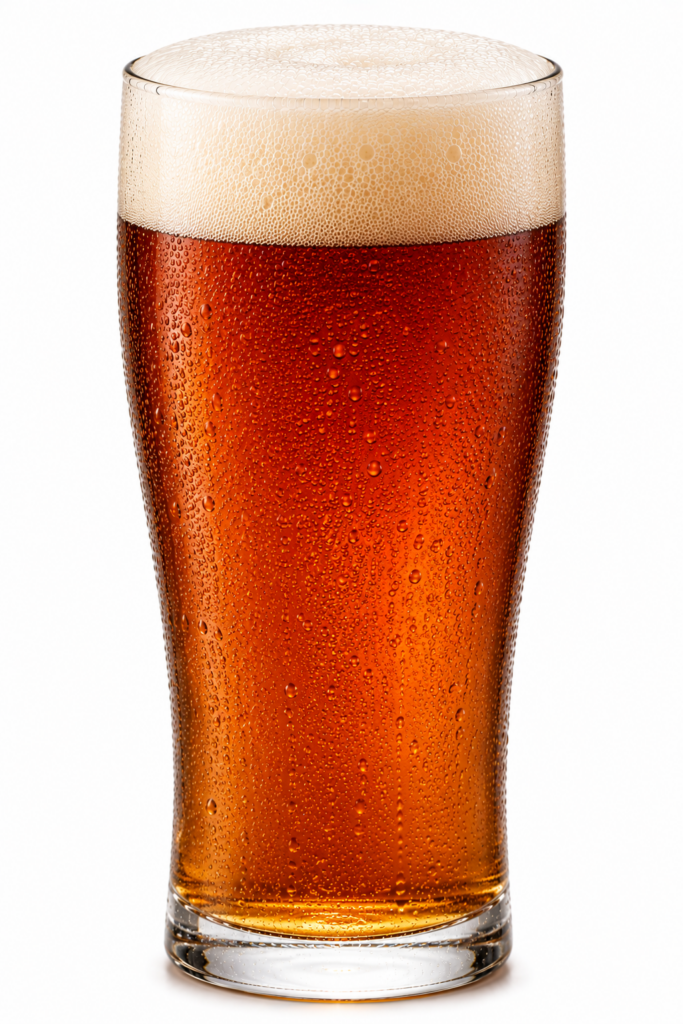
In the glass, Chestnut Beltaine appears amber, with possible golden and copper highlights. Its color is brighter than that of a dark beer and should not be confused with the smoked chestnut version.
The head is dense and persistent, white or light ivory in color. Since the beer is unfiltered and refermented in the bottle, a natural yeast sediment may remain at the bottom. This is not a defect, but a consequence of the production method.
The amount of sediment added can be adjusted according to preference. For a clearer drink, simply hold the bottle upright, pour slowly, and leave the last bit at the bottom. Those who prefer a more rustic, yeasty profile can gently swirl the bottle before completing the pour. It's best to avoid sudden movements, which could produce excessive foam.
A spicy and citrusy profile
The brewery's description highlights a spicy aroma with hints of pepper and citrus. Notes of cereal, bread dough, chestnut flour, and a light herbaceous component from the hops may also emerge. The overall impression is therefore fresher and spicier than the generic images of caramel, honey, and roastiness often associated with autumn beers suggest.
The presence of chestnuts doesn't necessarily imply a roasted aroma. During fermentation and processing, the fruit loses some of its cooked aromas and contributes more subtly to the texture and floury or earthy nuances.
Likewise, a reference to honey doesn't mean chestnut honey has been added to the recipe. The declared ingredients don't include it. Even a slightly toasted sensation can derive from the malts and shouldn't be described as smoky.
Taste, body and finish
On the palate, the Chestnut Beltaine displays a firm and structured body, yet not overly heavy. The entry is smooth, with a restrained sweetness of grains and chestnuts. The mid-palate reveals sensations of fresh flour, bread, and spices, complemented by a citrus note that lightens the finish.
The bitterness is present but moderate. Its main function is to balance the malty base and promote a fairly dry finish. The carbonation from the bottle fermentation helps make the taste livelier, preventing the floury notes from becoming too dense.
With an ABV of 6%, it's a beer suitable for drinking, but should still be consumed in moderation. The refreshing sensation affects the taste and doesn't make it suitable for hydration.
Temperature, glass and pouring
The producer recommends a serving temperature of around 9°C and a wide, bowl-shaped glass. This combination allows the beer to develop its aromas without overpowering the alcohol.
Serving it too cold would reduce the chestnut, flour, and spice flavors. Serving it too hot, on the other hand, could accentuate the sweetness. After removing it from the refrigerator, you can let it rest for a few minutes, especially if it was stored at particularly low temperatures.
Pour slowly, starting with the glass tilted. The bottle should only be straightened at the end, checking the formation of the head and deciding whether or not to add the sediment.
Food pairings
Chestnut Beltaine pairs well with vegetable-based pasta dishes, white meats, and semi-mature cheeses. It pairs well with tagliatelle with mushrooms, pasta with pumpkin and rosemary, roast chicken, or a platter of medium-aged pecorino cheese.
Among the most interesting local pairings are piadina with prosciutto and tortelli filled with chestnuts, ricotta, Parmigiano Reggiano, and a light hint of cinnamon. Preparations with pumpkin, potatoes, and mushrooms also enhance the rustic flavor without overpowering the spicy aroma.
Food container
The bottle should be stored upright, away from light and temperature changes. This arrangement facilitates the collection of yeast at the bottom and allows for more controlled pouring. A long maturation is not necessary: to appreciate the citrus and spicy notes, it is best to respect the date indicated on the packaging.
Beltaine Chestnut is a 6% ABV amber beer, structured yet balanced, in which the chestnut expresses itself primarily through floury and regional nuances. Serving it at around 9°C, in a large glass, and carefully poured, enhances its character without confusing it with the smoked, juniper-flavored variant.
The board

Brewer style

Alcoholic degrees

Service temperature

Recommended mug