DESCRIPTION
Brigand is a strong, top-fermented Belgian beer produced by the Van Honsebrouck brewery, also known for its Kasteel range. Its profile combines a deep golden color with aromas of ripe fruit, spices, malt, and yeast, supported by a high alcohol content.
Despite its allusion to ancient and rebellious imagery, Brigand shouldn't automatically be described as an abbey beer. It more accurately belongs to the tradition of Belgian Strong Golden Ales, pale yet powerful beers in which fermentation, carbonation, and a dry finish make the alcoholic strength less immediate than the label might suggest.
The meaning of the name
The word "brigand" refers to a bandit or outlaw. The name therefore conveys an independent, energetic, and unconventional character, consistent with a beer with a high alcohol content and a bold flavor.
This image, however, should not be confused with a production style. The term provides no precise indication of fermentation, composition, or monastic origin. It is, above all, an element of the brand's identity.
The character of the beer should be appreciated in the glass: a pale malty base, expressive Belgian yeast, ripe fruit, spice, and a finish dry enough to balance the initial sweetness.
A Belgian Strong Golden Ale
Belgian Strong Golden Ales combine light color and high alcohol content. Unlike strong dark beers, they don't rely on caramel, deep roasts, or dark fruit for their complexity, but on pale malt, yeast, and fermentation.
Pear, ripe apple, peach, apricot, and fruit preserved in alcohol are common descriptors. The spicy notes can recall pepper, cloves, or herbs, while the carbonation makes the sip more lively.
The dry finish plays a key role. Without proper attenuation, such an alcoholic and malty beer would risk becoming heavy. In Brigand, however, sweetness and strength are balanced by spice, bitterness, and bubbles.
Appearance and foam
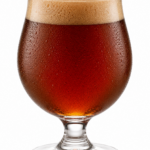
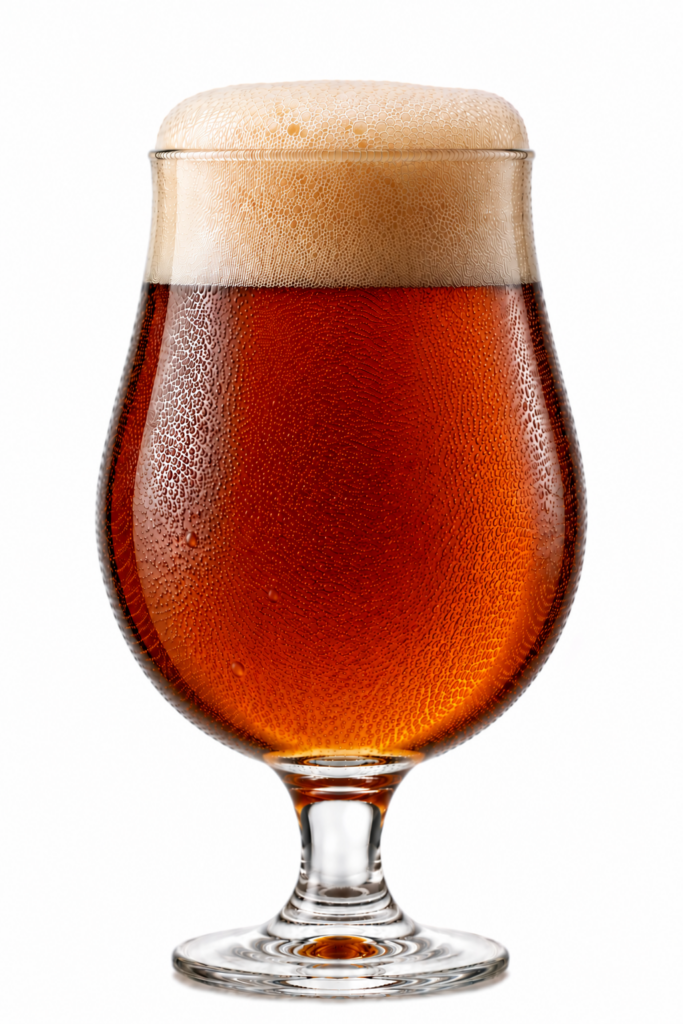
Poured into the glass, Brigand displays a bright golden hue with amber highlights. The color may appear deeper in the center and brighter toward the edges.
The head is white or very light cream, made up of fine bubbles. Carbonation can create a thick head, especially if the beer is poured quickly.
For a controlled pour, the glass is initially tilted, allowing the liquid to flow along the side. The glass is then straightened at the bottom to form a balanced head.
The glass must be perfectly clean. Grease or detergent residues affect the foam and introduce foreign odors, which are particularly unpleasant in an aromatic beer.
The aromatic profile
Ripe yellow fruit, malt, and a sweetness reminiscent of honey emerge on the nose. Pear, peach, and apricot intertwine with spicy notes developed by the yeast.
The reference to honey doesn't necessarily mean the ingredient is present. It could be an aromatic sensation derived from the malt and fermentation.
As the temperature rises, nuances of pepper, fruit in spirits, herbs, and alcohol appear. The alcohol component should add depth without completely overpowering the fruit.
Served too cold, Brigand appears simpler and less expressive. After a few minutes in the glass, the bouquet expands and the yeast character becomes more recognizable.
The Taste of Brigand
The entry is soft and malty, with a restrained but noticeable sweetness. The medium-full body supports the sip and creates a rounded texture.
Ripe fruit, spices, and a moderate bitterness develop in the middle. Carbonation lightens the structure and helps maintain a dynamic flavor.
The finish tends toward dryness, with a lingering peppery, fruity, and alcoholic warmth. The latter should be well-integrated. A pungent sensation may be due to too high a temperature or drinking too quickly.
Don't be fooled by its easy drinking nature. Its light color and dry finish can make Brigand seem less powerful than it actually is.
Possible yeast deposit
Depending on the packaging and the type of refermentation, a natural sediment may appear at the bottom of the bottle. This does not automatically constitute a defect.
For a clearer glass, hold the bottle upright and pour slowly, leaving the sediment at the bottom. Those who prefer a higher concentration of yeast can add a small amount, following the instructions on the package.
Yeast increases the haze and can add notes of bread and spice. Shaking the bottle vigorously is not recommended, as it can cause a large amount of foam to escape.
Temperature and glass
A temperature around 8-10°C allows you to appreciate the fruit, spices and malt without making the alcohol component too evident.
A tulip glass is particularly suitable. The shape captures the bouquet, supports the foam, and allows the glass to be held by the stem.
A Belgian beer glass can also be used, as long as it leaves room for the head. The glass should not be frozen: extreme cold seals in the aromas, and condensation can dilute the surface.
It is best to serve a moderate portion, so the beer can be enjoyed slowly without getting too warm.
Food pairings at the table
Brigand pairs well with roast chicken, pork, and baked dishes. The fruity notes evoke the browning, while the carbonation and dry finish help cleanse the palate.
With cheeses, mature, flavorful, or washed-rind varieties are recommended. Cheeses that are too delicate risk being overshadowed by the body and alcohol content.
Beer can accompany pâtés, terrines, savory pies, and dishes with moderate spices. Very intense chili peppers are less suitable, as alcohol can increase the spiciness.
For dessert, low-sugar preparations like pear, apple, apricot, or almond work well. A very sweet dessert would make the beer taste more bitter and thin.
Conservation and evolution
The bottle should be stored upright, away from light and temperature changes. This position also helps collect any sediment at the bottom.
The structure allows for some evolution over time. The fresh, fruity notes tend to fade, giving way to honey, fruit preserved in alcohol, and oxidative nuances.
However, aging does not guarantee improvement. It's important to follow the manufacturer's instructions and store the beer in stable conditions.
Once opened, Brigand should be poured and consumed immediately. Like any high-alcohol beer, it should be enjoyed responsibly and alternated with water.
A golden beer with a strong character
Brigand combines the bright appearance of a pale ale with the structure of a strong Belgian ale. Ripe fruit, yeast spice, and malt build the profile, while carbonation and a dry finish maintain balance. Served at the right temperature and in a suitable glass, it expresses an intense and independent personality, to be enjoyed slowly.
The board

Brewer style

Alcoholic degrees

Service temperature

Recommended mug