DESCRIPTION
Cantillon Loerik Gueuze is one of the most unusual and hard-to-find creations from Brasserie Cantillon in Brussels. It draws inspiration from the world of spontaneously fermented lambic and traditional gueuze, but its history is primarily tied to a particularly slow secondary fermentation in the bottle. The name "Loerik," a Brussels dialect expression associated with a lazy or inactive person, recalls the long period during which the beer remained almost devoid of liveliness.
It's therefore incorrect to describe it simply as a gueuze, typically aged for up to ten years. Loerik is not an ordinary beer brewed according to a regular ten-year maturation schedule. Its fame stems from an exceptional batch that took a long time to develop the expected carbonation, transforming initially anomalous behavior into a beer with a unique history.
Some bottles were then stored for a long time by collectors and specialized venues, but the age reached on the secondary market does not coincide with a standard refinement phase at the brewery.
Gueuze, lambic, and spontaneous fermentation
Gueuze is traditionally made by blending lambics of different ages, often young and older. The young lambic retains fermentable sugars, while the older one adds acidity, depth, and evolved aromas. After bottling, the blend is allowed to referment and develop natural carbonation.
Spontaneous fermentation isn't initiated with a common, selected yeast as is the case with most beers. The wort comes into contact with a complex community of yeasts and bacteria present in the brewery environment. During a long aging in wood, acidity, dryness, and characteristic rustic aromas develop.
Brettanomyces participate in this process, but they are not the only microorganisms involved. It is therefore reductive to attribute Loerik's entire profile solely to Brettanomyces. The final balance arises from spontaneous fermentation, maturation, blending, and refermentation in the bottle.
The peculiarity of the Loerik
In a traditional gueuze, refermentation should produce a lively effervescence. In the batch that became Loerik, this process began remarkably slowly. The beer remained almost flat for a long time before developing carbonation, thus earning its name, associated with its apparent "laziness."
This origin distinguishes Loerik from a cuvée originally designed to mature for ten years. The long wait wasn't just a stylistic choice, but the consequence of the beer's unique behavior.
Its rarity has contributed to its reputation among collectors. However, the market value of a bottle doesn't automatically guarantee a superior experience. Storage, cork integrity, temperature, and the history of the bottle profoundly influence the outcome in the glass.
Appearance and foam
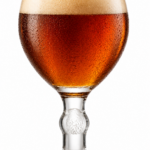
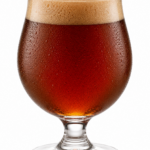
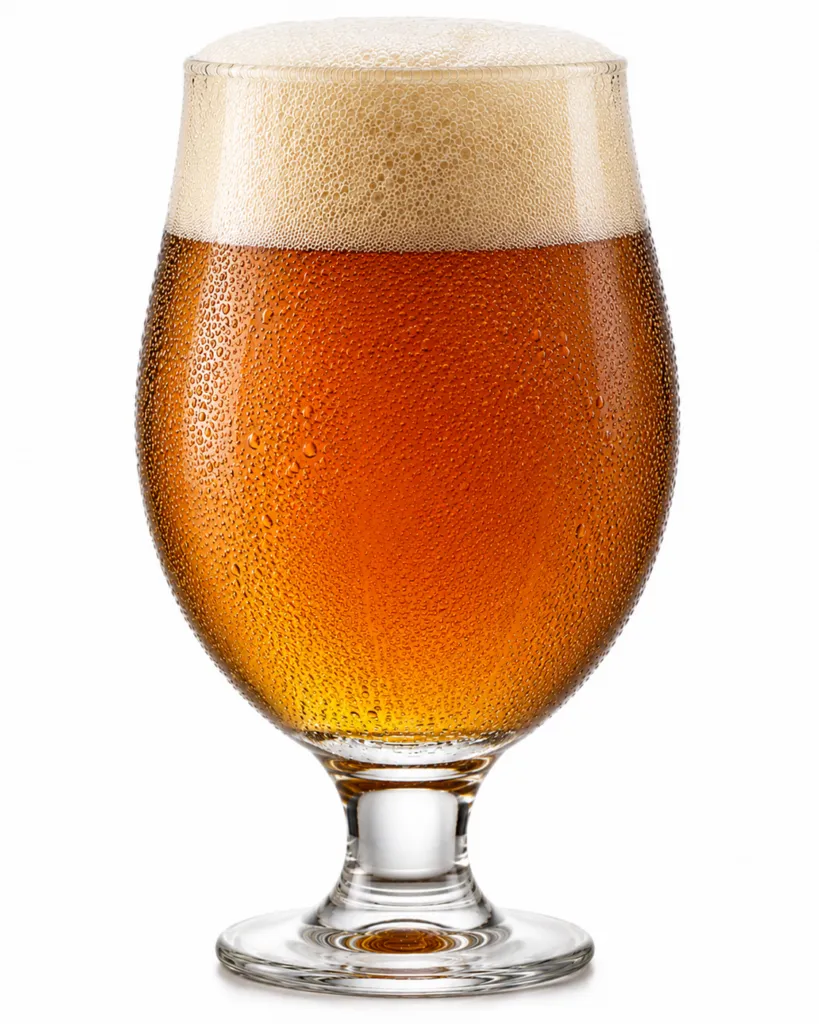
Cantillon Loerik Gueuze can be a deep golden color, with amber hues and a natural haze. The color may change with age, becoming progressively more intense.
The head depends greatly on the development of each individual bottle. It can be fine and lively, but it's unwise to consistently expect the same carbonation from rare examples aged for different periods. The very history of Loerik is linked to an uneven development of effervescence.
Before opening, the bottle should be left upright and chilled for several hours. It's best to open it carefully, without shaking, and pour slowly. Excessive head may indicate very high carbonation, while a dull beer isn't necessarily inconsistent with its history.
Aromas of fruit, wood and cellar
Green apple, lemon, grapefruit, and gooseberry may emerge on the nose, accompanied by notes of hay, wood, and cellar. With age, deeper sensations of leather, tobacco, dried fruit, and damp earth may develop.
These terms are sensory descriptors. Apple, gooseberry, leather, and hay are not necessarily added ingredients. They are aromatic associations produced by spontaneous fermentation and maturation.
A rustic or "funky" note is typical of many traditional lambics. However, it shouldn't be confused with unpleasant odors of mold, a deteriorated cork, or uncontrolled oxidation. In very old bottles, distinguishing between them requires experience and attention.
Taste, acidity and finish
On the palate, Loerik Gueuze is generally dry and acidic. Citrus, green apple, and a perceived minerality open the mouthfeel, followed by wood, hay, and light tannic notes.
The body is medium-light, while the acidity can be intense but shouldn't be overpowering. In a well-preserved gueuze, acidity, rustic aromas, and dryness create a complex whole. Carbonation, when evident, accentuates the freshness and sharpens the palate.
The finish is long, dry, and constantly evolving. Hints of lemon, wood, leather, and cellar can linger. A very mature bottle may exhibit less fresh fruit and more tertiary notes.
Service and pairings
A serving temperature between 10 and 12°C (50 and 54°F) allows the acidity to be appreciated without masking the evolved aromas. A tulip glass or gueuze glass concentrates the aromas and allows room for any foam to develop.
Beer pairs well with aged cheeses, goat's cheese, shellfish, oysters, mussels, and fatty fish. Its acidity also complements cured meats, fried foods, and rich dishes. Sweet desserts are less suitable, as they can make the beer even more tart by contrast.
Cantillon Loerik Gueuze is, in short, a rare gueuze due to its production history, not a standard version matured regularly for ten years. The exceptionally slow refermentation has defined its name and reputation. A bottle should be opened with caution, shared, and evaluated without rigid expectations, as age and storage can profoundly alter its carbonation and aromatic profile.
The board

Brewer style

Alcoholic degrees

Service temperature

Recommended mug