DESCRIPTION
Chimay Rouge is a Belgian Trappist beer brewed at the Abbey of Notre-Dame de Scourmont, near the town of Chimay. It was the first beer brewed within the abbey: its history dates back to 1862, when the monks began brewing to support the community and its activities. Even today, it remains one of the most recognizable products of the Belgian Trappist tradition.
Also known as Chimay Première, especially in the 75cl format, Chimay Rouge is often compared to the dubbel style. It exhibits many of the family's typical traits: a dark amber color, a predominance of malt, aromas of ripe fruit, yeast spiciness, and a well-integrated alcoholic warmth. However, it's not necessary to strictly rely on stylistic classification to understand it: its identity stems primarily from the recipe and the character developed by the Chimay yeast.
Chimay Rouge and Chimay Première: What's the difference?
Chimay Rouge and Chimay Première essentially refer to the same beer. The name Rouge, meaning "red," is commonly associated with the smaller bottles, while Première is the traditional name for the larger bottle. There may be small differences in perception due to the format, age of the bottle, and storage conditions, but they are not two completely different recipes.
The larger format can favor a slightly slower and more harmonious evolution, thanks to the different ratio between the volume of the beer and the space inside the bottle. In normal tasting, however, freshness, storage, and serving temperature are more important than the name on the bottle.
A true Trappist beer
The word "Trappist" doesn't define a specific flavor and isn't a generic synonym for abbey beer. It refers to a product made within a Trappist monastery or in its immediate vicinity, under the supervision of the monastic community. Proceeds go to the abbey's needs and to social and charitable initiatives.
Chimay Rouge belongs to this authentic tradition. The historical and cultural significance of its production shouldn't, however, overshadow the experience in the glass: it's a complex yet accessible beer, crafted with a fine balance of smoothness, fruit, spice, and a dry finish.
Appearance and foam
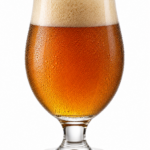
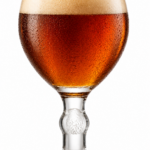
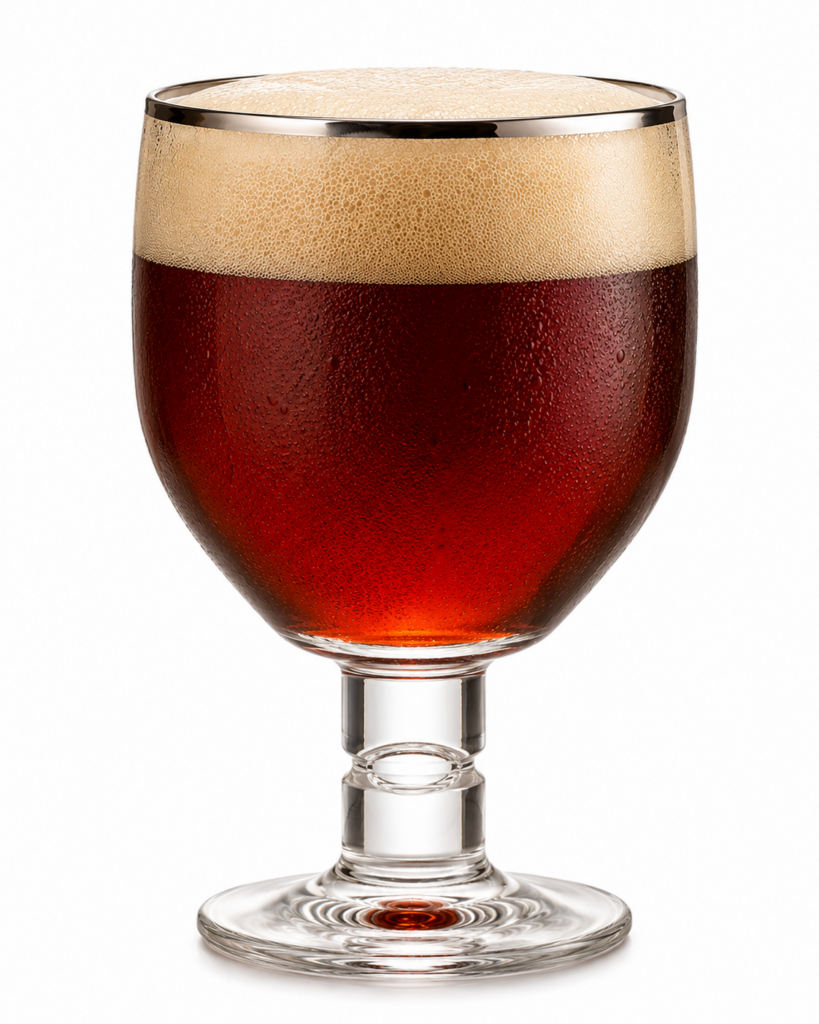
Poured into a glass, Chimay Rouge displays a deep amber color, with coppery and reddish highlights, especially visible when held against the light. The hue may appear lighter or darker depending on the light, temperature, and any yeast present at the bottom.
The head is generally abundant, creamy, and ivory-colored. Slow pouring allows for a dense crown to form without letting it grow excessively. It's best to start with the glass tilted and gradually straighten it toward the top.
Since it's a bottle-conditioned beer, it may have a natural sediment. Those seeking a clearer drink can leave the last centimeter in the bottle; those who appreciate a more rustic, yeast-driven profile can gently swirl the bottom and pour it separately.
Aromas of malt, fruit and spices
The aromatic bouquet of Chimay Rouge is rich but not aggressive. The initial sensations are reminiscent of malt, dark bread, biscuit, and light caramel. Fruity notes follow, reminiscent of plums, raisins, baked apples, ripe pears, and red berries.
The yeast adds a delicate spiciness, possibly with hints of pepper, cloves, and aromatic herbs. As the temperature rises, hints of dried fruit, dark sugar, and light toasting may also emerge.
These descriptors describe perceived sensations and do not necessarily correspond to added ingredients. Plum, caramel, or spice aromas can be produced by malts, yeast, and fermentation.
Taste and texture
On the palate, Chimay Rouge opens softly and maltily. The body is medium, and the lively carbonation lightens the structure, preventing the initial sweetness from becoming heavy. Notes of bread, caramel, and ripe fruit are gradually complemented by a subtle spiciness and a moderate bitterness.
The finish is drier than the entry, with a lingering note of toasted malt, dark fruit, and spice. The alcohol heat is noticeable, but in well-stored bottles, it should integrate without overpowering the other flavors. The alcohol content is generally around 7% by volume, although it's still a good idea to check the individual label.
Its smoothness shouldn't overshadow the alcohol. It's a beer to be sipped slowly and in moderation, preferably during a meal or shared tasting.
How to serve it
A serving temperature between 10 and 12°C (50 and 54°F) allows Chimay Rouge's complexity to shine through. Serving it chilled would mask the fruit, malt, and yeast notes; serving it too high, however, would make the alcohol component more evident.
The ideal glass is the classic Trappist chalice, large and with a wide opening. This shape provides space for the head and allows the aromas to develop. Before serving, the glass should be thoroughly rinsed and free of detergent residue.
Food pairings
Chimay Rouge pairs well with roasts, braised meats, stews, and pork. Its malty smoothness also pairs well with mushrooms, caramelized onions, savory pies, and dishes enriched with dried fruit.
Among cheeses, it pairs well with semi-mature or mature products, including those produced by the same Chimay cheesemaking tradition. It can also create a pleasant contrast with a mild blue cheese.
At the end of a meal, try it with walnut desserts, plum or pear tarts, and moderately sweetened dark chocolate desserts. Overly sweet dishes risk flattening the beer's profile.
Conservation and conclusion
The bottle should be stored upright, away from light and temperature fluctuations. Chimay Rouge can evolve over time, developing more mature notes of dried fruit and caramel, but aging does not automatically guarantee a better result.
Historic, balanced, and deeply rooted in Scourmont Abbey, Chimay Rouge offers a comprehensive introduction to the world of Trappist beers. Serving it at the right temperature, in a large glass, and carefully poured, you'll appreciate its malty notes, fruity aromas, and dry, spicy finish.
The board

Brewer style

Alcoholic degrees

Service temperature

Recommended mug