DESCRIPTION
Fuller's London Pride is one of the best-known English ales and a key component of London pub culture. Amber-colored, malty, and moderately bitter, it combines notes of biscuit, bread, caramel, and fruit with a herbaceous and floral hopping. Its key quality lies in its balance: no one element completely dominates, and the dry finish invites you to return.
The beer is historically linked to the Griffin Brewery in Chiswick, West London. However, it's worth noting that in 2019, Fuller, Smith & Turner sold its brewing business, including the London Pride brand, to Asahi. Fuller's continues to operate primarily in the pub and hospitality sector, while the beer brand now belongs to a different group.
The connection to the London brewery and local tradition remains tangible, but London Pride shouldn't be presented as the product of a small, independent brewery. It's a historic beer produced on a large scale, available in formats and versions that may exhibit slightly different characteristics.
Bitter, pale ale or premium ale?
London Pride is referred to as an English Pale Ale, premium ale, or bitter, depending on the market and context. These terms aren't necessarily contradictory. In traditional British parlance, "bitter" refers to an amber or copper-colored ale with a hop-leaning balance compared to sweeter milds.
The term doesn't mean the beer is extremely bitter. Compared to a modern IPA, London Pride has a moderate bitterness and a distinct malty component. Bread, biscuit, and caramel notes complement the hops without being completely overpowered.
Alcohol content and carbonation can vary between cask, bottled, and other formats. For exact information, read the label or the serving information.
Appearance and foam
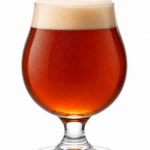
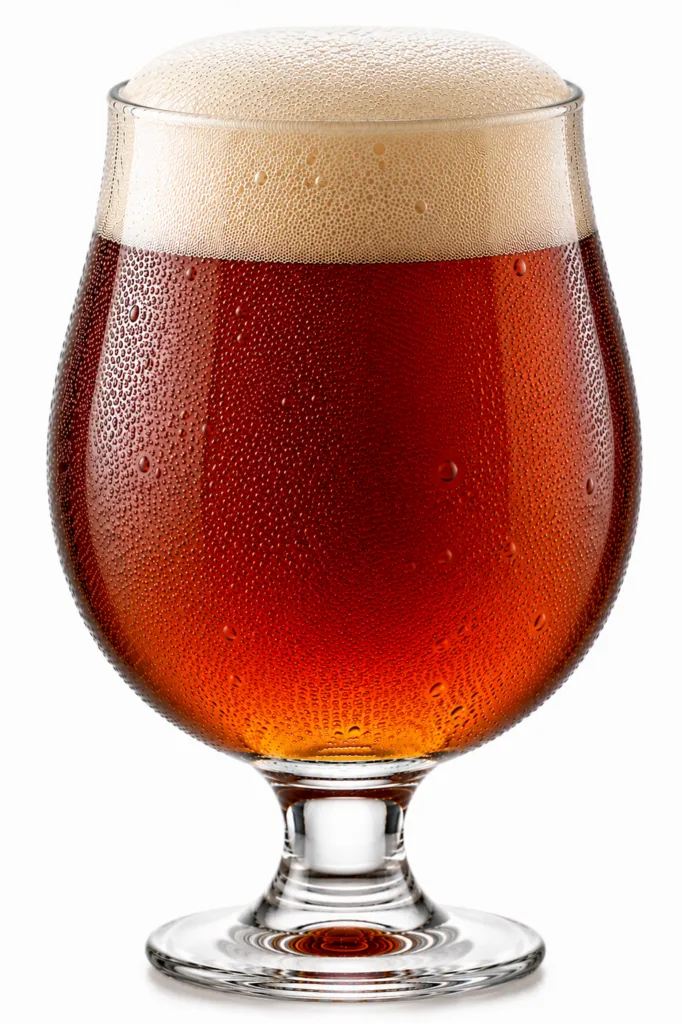
In the glass, London Pride appears bright amber, with copper and orange highlights. Clarity can be particularly evident in the packaged version, while a cask-served beer may have a slightly different appearance.
The head is ivory, fine, and creamy. In the traditional draft version, it tends to be dense and accompanied by a delicate carbonation. In the bottle, the sip can be livelier and the head slightly more abundant.
For home pouring, it's best to tilt the glass, pour slowly along the side, and then straighten it at the end. The glass must be clean and free of grease or detergent residue, which would compromise the crown.
Aromas of biscuits and fruit
On the nose, notes of biscuit, bread crust, and light caramel emerge. The English yeast adds a fruity component that can recall orange, jam, apple, or ripe red berries.
The hops add herbal, floral, and slightly earthy nuances. The profile is different from that of American beers dominated by grapefruit, resin, or tropical fruit. In London Pride, the hop aroma is more subdued and complements the malt.
Caramel, fruit, and jam are sensory descriptors. They don't necessarily indicate the direct addition of these ingredients: the aromas derive primarily from the malts, hops, and fermentation.
Serving beer too cold significantly reduces the bouquet. After a few minutes in the glass, the bread, fruit, and hops become more easily recognizable.
Taste, body and finish
On the palate, the entry is soft and malty. Biscuit, bread, and caramel introduce a moderate sweetness, accompanied by a smooth texture.
The body is medium-light or medium, with differences depending on the format. The cask version may appear smoother and less fizzy; the bottled version tends to have a more lively carbonation.
The fruity notes emerge in the middle, followed by a delicate yet progressive bitterness. The hops balance the malt and lead to a drier finish.
The finish is clean, harmonious, and medium-lingering. Biscuit, herbs, and a light citrus note linger on the palate. The balance makes the beer suitable for convivial drinking, but the easy sip doesn't negate the alcohol.
Recommended temperature and glass
The bottled version can be served approximately between 8 and 10°C. For cask ale, a cellar temperature of around 10-12°C allows the malt and yeast to be better appreciated. "Cellar temperature" does not, however, mean warm beer or one left in a heated environment.
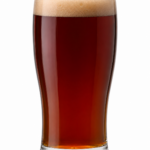
The British pint glass is the traditional glass. It offers plenty of room for the head and makes serving simple and convivial. For a more attentive tasting, use a slightly closed glass, which can concentrate the aromas.
Food pairings
London Pride pairs well with fish and chips, meat pies, sausages, burgers, and roast chicken. The bitterness lightens the fatty notes, while the malt complements bread, dough, and browned surfaces.
It's also suitable for cheddar, medium-aged cheeses, cured meats, mushrooms, and savory pies. It pairs well with light roasts and legume-based dishes.
It works especially well with fish, especially fried foods, salmon, and smoked dishes. Very sweet desserts and strongly spicy cheeses, however, risk overshadowing its balanced profile.
Conservation and conclusion
The packages should be stored away from light and heat. London Pride best expresses the character of its hops and yeast when fresh, so it is not generally intended for long aging.
Fuller's London Pride is, in short, a classic London bitter, linked to the Griffin Brewery but now owned by Asahi. Biscuit, fruit, herbaceous hops, and a dry finish define its identity. Format and serving style can affect body and carbonation, so a cask pint and a bottle shouldn't be considered perfectly identical.
The board

Brewer style

Alcoholic degrees

Service temperature

Recommended mug