DESCRIPTION
Grolsch Leutebock is a name associated with a seasonal Dutch beer with a malty profile, featuring notes of toasted bread, caramel, and dried fruit. The described character recalls that of a dark bock: full-bodied, moderate bitterness, and a warm finish where the malt remains the protagonist.
The name, however, requires careful consideration. Leutebock isn't a regular feature in Grolsch's current lineup and may refer to a historic or limited production. It shouldn't be confused with Grolsch Lentebok, a spring bock with a different profile, or with Leute Bokbier, a Belgian beer associated with another brewery.
To correctly identify a bottle, the label, the name of the brewery, the country of production, and the date are essential. An old commercial description may not correspond to the references available today.
A seasonal bock with a malty character
Bock is a strong lager of German origin, also reinterpreted with great success in the Netherlands. Autumn or winter versions tend to be amber or dark, with notes of bread, caramel, and dried fruit. Spring interpretations can be lighter and hoppier.
In a bock, the malt takes center stage. Hops are used primarily to balance the sweetness and finish, without producing the intense aromas of an IPA.
Low-temperature fermentation promotes a clean profile. Any fruity notes should remain integrated with the malt and not take on the overt character of top-fermented Belgian ales.
While Grolsch Leutebock does indeed belong to the tradition of dark Dutch bocks, its balance must be sought between initial softness, toasted bread and a moderately dry finish.
Appearance and foam
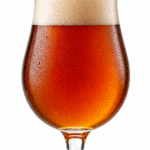
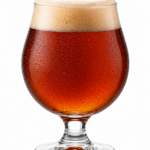
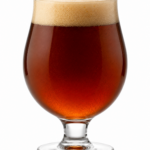
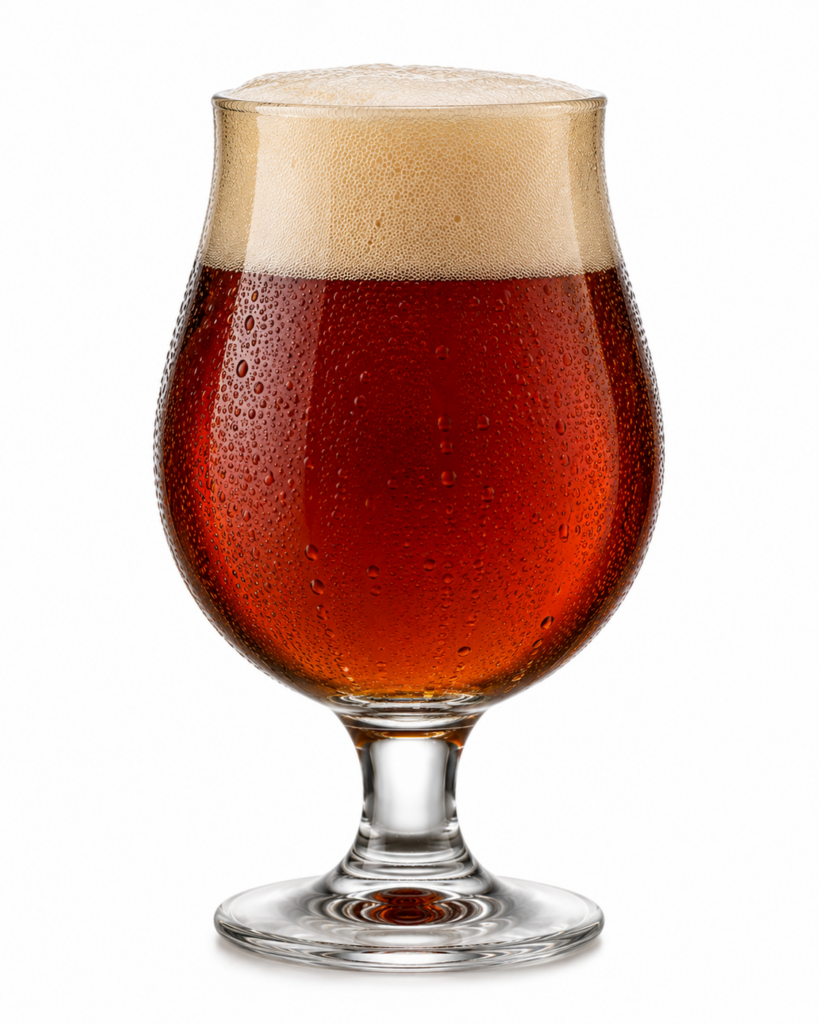
In the glass, the beer appears dark amber or brown, with copper, mahogany, and ruby highlights. When held up to the light, it may show a greater brightness along the edges.
The head is beige or light hazelnut, with a creamy consistency. Persistence depends on the carbonation, the alcohol content, and, above all, the freshness of the bottle.
When pouring, it's best to tilt the glass and pour slowly along the side, straightening it at the end. The glass should be clean and free of grease or detergent residue.
For older bottles, it's important to check the liquid level, the integrity of the closure, and any leaks. Absent head or very low carbonation may be the result of prolonged or inadequate storage.
Scents of bread and caramel
On the nose, notes of bread crust, biscuit, caramel, and toffee emerge. Hazelnut, almond, and dried fruit may also appear, with hints of plum, raisin, or date.
A honey-like sensation can make the bouquet smoother, but it doesn't necessarily mean honey has been added. Dried fruit and caramel are also sensory descriptors that can derive directly from the malts.
Spiciness, when present, should be subtle. It may recall aromatic herbs, pepper, or sweet spices and may come from hops, malt, or fermentation.
The profile shouldn't be heavily roasted. Notes of coffee, ash, or burnt notes are more typical of stouts and porters; in a dark bock, bread, caramel, and fruit should prevail.
Taste, body and finish
On the palate, the entry is soft and malty. Bread, biscuit, and caramel introduce a noticeable sweetness, while the medium-full body provides a smooth texture.
In the middle, dried fruit, toffee, and a light toastiness may emerge. The carbonation provides enough liveliness to prevent the sip from becoming completely static.
Bitterness is low to moderate and appears mostly toward the finish. Its purpose is to limit the sweetness, not to dominate. A balanced bock should finish cleaner than the malty entry might suggest.
The finish is long and warm, with a lingering note of bread and caramel. The alcohol may become more evident as the beer warms in the glass, but it shouldn't be harsh.
Recommended temperature and glass
A serving temperature between 8 and 10°C (46 and 50°F) allows the malt and dried fruit to be enhanced. Serving the beer ice-cold would reduce the aromas, while serving it too hot would accentuate the sweetness and alcohol.
A tulip glass concentrates the aromas well and leaves room for the foam. A smaller mug or bock glass can also be used.
If the bottle uses the characteristic Grolsch swing top, the closure must be opened carefully. Re-closing the cap after opening does not preserve freshness and carbonation for long: it is best to consume the beer without leaving it for days.
Food pairings
Grolsch Leutebock pairs well with stews, roasts, sausages, and pork. The caramel notes complement the seared surfaces, while the bitter finish balances the fatty notes.
It pairs well with aged Gouda, soft-ripened cheeses, mushrooms, rye bread, and caramelized onions. It can also be served with dishes featuring chestnuts or dried fruit.
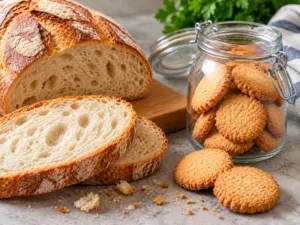
At the end of a meal, it pairs well with walnut cakes, plum desserts, and slightly sugary spiced biscuits. Very sweet desserts, however, would risk making the pairing too heavy.
Conservation and conclusion
The bottle should be stored upright, away from light and temperature changes. If it's a historic production, rarity doesn't guarantee that the contents are still in ideal drinking condition.
In conclusion, Grolsch Leutebock is a beer that needs careful identification, as the name can be confused with other Dutch and Belgian bocks. When referring to the dark version described, its character is based on toast, caramel, dried fruit, and a warm finish. The label, date, and shelf life are essential for a proper evaluation.
The board

Brewer style

Alcoholic degrees

Service temperature

Recommended mug