DESCRIPTION
Steiner Märzen is a bottom-fermented Bavarian beer with a predominantly malty profile, brewed by Schlossbrauerei Stein in Chiemgau, Upper Bavaria. Its character recalls that of traditional Märzen: amber in color, balanced body, and aromas reminiscent of bread, biscuits, and lightly toasted malt. It's a beer designed for convivial drinking, yet structured enough to also be a satisfying accompaniment to a full meal.
The name may, however, refer to different vintages. Historical descriptions describe a seasonal, filtered Steiner Märzen, while in more recent years a version called Steiner Naturtrübes Märzen, meaning "naturally cloudy," has also been produced. The beer isn't a regular feature in the brewery's current lineup and may be available primarily as a limited-edition, seasonal release, or in packages of previous vintages. To determine the alcohol content, appearance, and precise characteristics, it's therefore advisable to check the label of the bottle you purchase.
A Märzen from Chiemgau
Schlossbrauerei Stein is located in Stein an der Traun, a Bavarian town characterized by its castle and a unique complex of caves carved into the rock. The brewery's identity is tied to the Chiemgau region and a centuries-old brewing tradition.
One of the production features is the maturation of the beers in a naturally cool environment carved into the rock beneath the castle. The cellaring, which for the house specialties can last several weeks, allows the beer to develop a cleaner, more harmonious profile. Bottom fermentation, combined with cold maturation, helps reduce aromatic harshness and highlight the malty component.
The brewery generally uses barley malt, water from its own well, and German hops, with a focus on regional ingredients. This doesn't mean, however, that honey, caramel, or dried fruit are necessarily present in the recipe: these terms primarily describe the aromatic sensations developed by the malts during drying and processing.
What does Märzen mean?
Märzen is a lager style that originated in the German-speaking world. The name derives from the ancient custom of brewing a slightly more robust beer in March, destined to mature in cool cellars during the warm months. Before modern refrigeration became common, summer brewing was difficult to control, and beers brewed in spring had to be kept until the end of the season.
This practice has given rise to the historical connection between Märzen and autumn festivals. This does not mean, however, that Steiner Märzen is an official Oktoberfest beer. Today, the beers served at the Munich Oktoberfest are generally golden Festbiers, paler than the amber Märzen of the past, and can only be brewed for the event by specific city breweries. Steiner Märzen is therefore part of the broader Bavarian tradition of seasonal and festive beers, without being one of the official Oktoberfest beers.
Appearance and aromatic profile
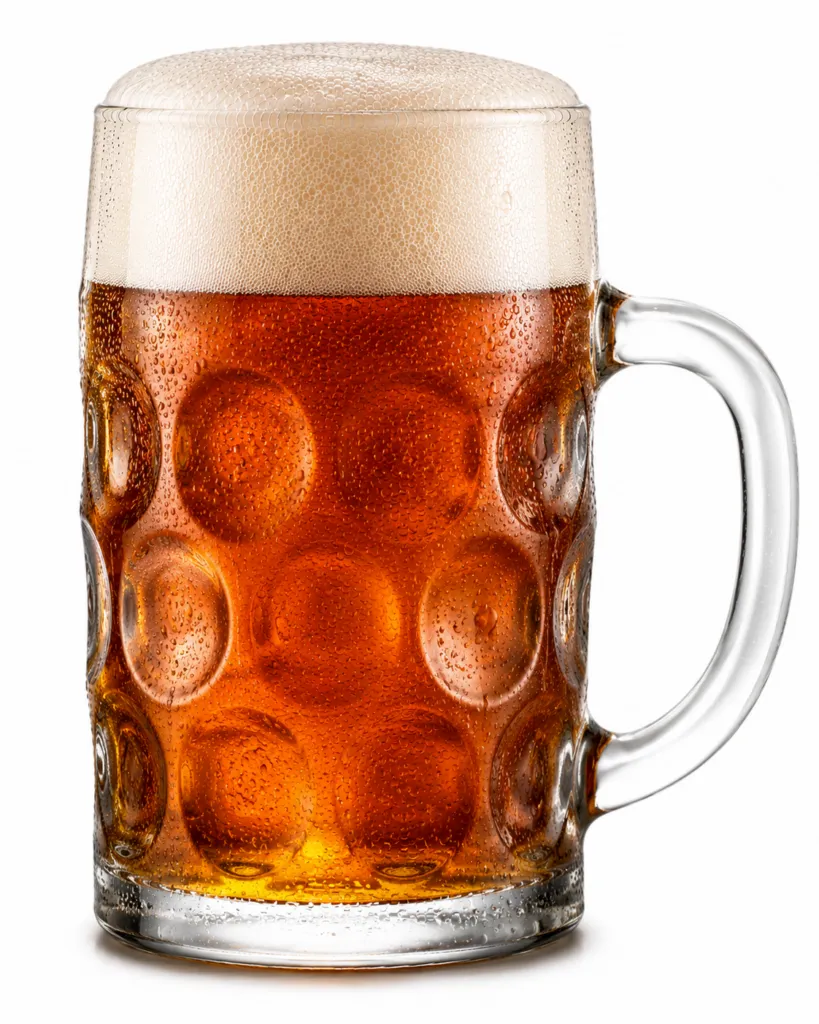
The appearance depends on the version. The historic Steiner Märzen can be clear, with a bright amber color and copper highlights. The Naturtrübes version, on the other hand, retains a natural haze due to the presence of yeast and malt particles. This cloudiness does not indicate a defect, but rather a production choice that can make the flavor profile slightly more rustic and full.
The head tends to be clear, dense, and creamy, with persistence influenced by temperature, the cleanliness of the glass, and storage conditions. A glass with grease or detergent residue can quickly cause it to disappear.
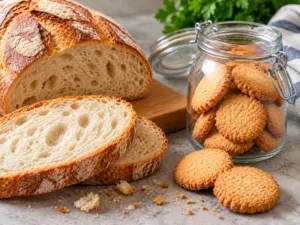
Malt nuances dominate the nose: bread crust, biscuit, cereal, light caramel, and a possible hint of honey. Notes of dried fruit and a delicate toastiness may also appear. The hops generally remain in the background, with herbaceous or floral notes that serve primarily to balance the malty sweetness.
Taste, body and finish
On the palate, Steiner Märzen offers a smooth entry, followed by flavors of bread, biscuit, and slightly caramelized malt. The body is medium, and the moderate carbonation supports the drink without making it pungent. The sweetness shouldn't be overwhelming: a clean, moderate bitterness accompanies the sip toward a relatively dry finish.
The alcohol content may vary depending on the vintage. The indications given for the different versions are not entirely uniform and generally place this Märzen at just over 5% by volume. The information on the packaging remains the most important, especially when purchasing an older bottle or a seasonal release.
How to serve it correctly
A serving temperature between 7 and 9°C (45 and 48°F) helps maintain freshness without masking the malt aromas. Serving it too cold can lead to a lack of expression; overheating can make it sweeter and heavier.
A Bavarian mug, a Willi Becher glass, or a not-too-narrow goblet are suitable. Pour evenly, initially tilting the glass and then straightening it at the end to form the head. If the bottle is labeled "naturtrüb," you can choose to leave the sediment at the bottom or gently swirl a small amount around. It's best not to shake the bottle.
Food pairings
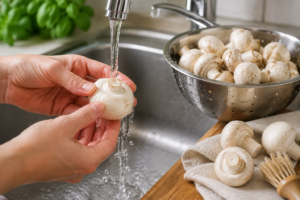
The malty profile pairs well with roast pork, roast chicken, sausages, hot dogs, pork shanks, and cutlets. It also pairs well with dumplings, roast potatoes, mushrooms, focaccia, and lightly spiced pizzas. The bready, caramel notes create a natural connection with browned surfaces and baked dishes.
Semi-mature cheeses, such as Emmental, Fontina, and moderately salty Alpine cheeses, are recommended. However, with very spicy dishes or particularly sweet desserts, beer may lose its balance.
Conservation and final considerations
Steiner Märzen should be stored upright, away from light and temperature fluctuations. It's not typically a beer intended for long aging: it's best to drink it within the recommended shelf life on the package, when its freshness and aromatic clarity are still clearly evident.
This is a malty Bavarian Märzen, a pleasant accompaniment to rustic cuisine and suitable for conviviality. Before serving, it's a good idea to check whether it's the clear or naturally cloudy version, also checking the alcohol content on the label.
The board

Brewer style

Alcoholic degrees

Service temperature

Recommended mug