DESCRIPTION
Thomas Hardy's Ale is an English barley wine produced in limited editions, with numbered bottles identified by vintage. Its history began in 1968, but has seen long interruptions, brewery changes, and subsequent rebirths. For this reason, the alcohol content, format, and sensory profile can vary from one vintage to the next.
The most recent widely distributed regular release, dated 2025, has an alcohol content of 11,3%. Previous vintages may have different values, often exceeding 11%. It is therefore essential to check the individual labels, especially when purchasing a historic bottle or one of the oak-aged editions.
It's fair to describe it as a long-drinking beer with considerable aging potential. However, it's impossible to guarantee that every bottle will necessarily improve with age: the outcome depends on the vintage, storage, cork retention, and personal taste.
A beer dedicated to Thomas Hardy
The first Thomas Hardy's Ale was brewed in 1968 by the Eldridge Pope brewery in Dorchester, Dorset, to commemorate the fortieth anniversary of the death of the writer and poet Thomas Hardy. The inspiration also came from the renovation of a pub named after "The Trumpet-Major," one of the author's novels.
In the book, Hardy describes a strong Dorchester beer with a bright color, full body, and lively character. Eldridge Pope attempted to transform that literary description into a real barley wine, initially conceived as a celebratory experiment.
After the first brew in 1968, production resumed in 1974 and continued with several vintages until 1999, when high costs led to its suspension. The brand returned between 2003 and 2008 thanks to O'Hanlon's Brewery, before being discontinued again. In 2012, the brand and recipe were purchased by the Vecchiato brothers, who began research that culminated in production resuming in 2015.
Contemporary versions have been produced through English partner breweries, which have changed hands over time. The most recent vintages are associated with Hepworth & Co., while the commercial project remains managed by the brand's owners. This also explains why it's always important to identify the year of the bottle.
What is a barley wine?
The term barley wine literally means "barley wine," but Thomas Hardy's Ale remains a beer. It's made from the fermentation of a highly concentrated wort, capable of developing a high alcohol content and a particularly rich structure.
In English barley wines, malt generally dominates. Hops contribute balance, but the profile isn't dominated by the intense aromas typical of some American interpretations. Over time, the bitterness can fade, while notes of dried fruit, caramel, spices, fortified wine, and controlled oxidation emerge.
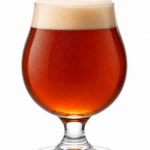
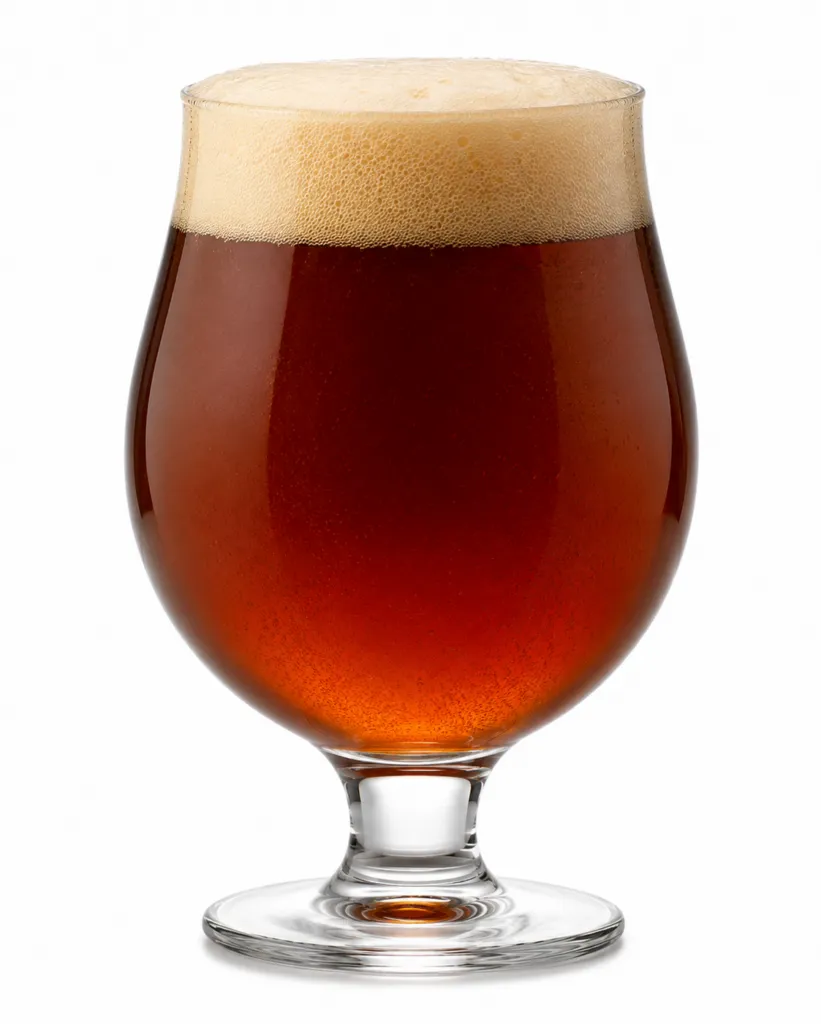
The color of Thomas Hardy's Ale ranges from deep amber to mahogany, with copper or bronze highlights. The head is usually light, both due to the high alcohol content and the fact that it's served in a large glass. A thin ivory or hazelnut-colored crown is therefore consistent with the type.
Scent and taste
When young, the beer can exhibit aromas of malt, caramel, toffee, bitter orange, and candied fruit. Recent vintages have described notes of dried figs, fruit in alcohol, fresh tobacco, chocolate, and chestnut honey.
Honey, chocolate, tobacco, and fruit are sensory descriptors in this case. They don't prove that these ingredients were added to the recipe. The sensations arise from the combination of malts, fermentation, maturation, and gradual evolution in the bottle.
The palate is full, dense, and smooth. The malty sweetness is balanced by the alcohol, bitterness, and a slight acidity or sharpness on the finish. Carbonation is generally moderate, while the alcoholic warmth accompanies a long finish, with flavors of dark fruit, caramel, and spices.
As it ages, beer can become smoother and more vinous. Notes reminiscent of port, sherry, brandy, dried fruit, and leather may emerge. If stored improperly, however, it can develop excessive oxidation, a loss of liveliness, or unpleasant aromas of cardboard and soy sauce.
The editions matured in wood
Regular Thomas Hardy's Ale should not be confused with The Historical or the various Special Reserves. The latter undergo special maturation, often in wood or barrels previously used for spirits.
The Historical was created as a tribute to the first production and, in some vintages, was aged in barrels that had previously held Cognac. More recent versions have used French oak, while some Special Reserves have been aged in Armagnac barrels. The woody or distilled notes should therefore not automatically be attributed to the basic version.
Service and pouring
The recommended serving temperature is around 13°C. Serving it too cold would hide much of its complexity, while serving it too hot would make the alcohol more evident.
The ideal glass is a large balloon glass or a barley wine glass. Before opening, it's best to let the bottle stand upright and still for at least 24 hours, to allow the yeast to settle on the bottom. Pour slowly, leaving the last part of the liquid in the bottle if you prefer a clear result.
After pouring, it's helpful to wait a few minutes. Moderate oxygenation allows the aromas to unfold, but it's not necessary to leave the beer exposed for excessive periods. The 250 or 330 ml format is suitable for individual tastings or sharing small portions.
Food pairings
Thomas Hardy's Ale pairs well with braised meats, stews, game, and red meats with rich sauces. It's also well-suited to blue or very mature cheeses, which can support the sweetness and alcohol content.
At the end of a meal, it can be paired with fruitcake, plum pudding, desserts with dried fruit, or dark chocolate. It can also be enjoyed on its own as a meditation drink, always in moderation given its high alcohol content.
Storage and aging
Bottles with crown caps should be stored upright, in the dark and at a stable temperature, ideally around 13°C. The rare versions with cork stoppers can be kept horizontal to prevent the cork from drying out.
Some bottles have survived past twenty-five years while maintaining an interesting profile, but there's no perfect moment that applies to all. Comparing multiple bottles of the same vintage a few years apart is the most reliable way to track their evolution.
Thomas Hardy's Ale is therefore a historic barley wine still produced in vintage editions. Its appeal comes from its malty structure, complexity, and ability to evolve over time, without aging being considered an automatic guarantee of improvement.
The board

Brewer style

Alcoholic degrees

Service temperature

Recommended mug