DESCRIPTION
Blanche de Chambly is a Canadian wheat beer produced by Unibroue, a Quebec brewery known for its interpretations of Belgian styles. Launched in the early 1990s, it helped popularize the taste of blanches—pale, hazy beers characterized by citrus, spice, and lively carbonation—in North America.
The name recalls the town of Chambly and its historic fort, elements that represent Quebec's identity. In the glass, the beer displays a straw-yellow color, a natural haze, and a white head. Its fresh, spicy profile makes it suitable as an aperitif and for numerous pairings, especially with fish, vegetables, and delicate cheeses.
The inspiration of Belgian blanches
Blanche beers, called witbier in Flanders, are top-fermented beers in which wheat contributes smoothness, haze, and head retention. The profile is often rounded out with coriander and bitter orange peel.
Blanche de Chambly takes this tradition and reinterprets it in Canada. It's not a Belgian beer, but a Quebec brew inspired by a recognizable European brewing school.
Fermentation plays an important role. The yeast can develop fruity and spicy notes that combine with the aromas of citrus and coriander, creating a more complex whole than a simple wheat lager.
The acidity remains moderate and contributes to the freshness. It should not be confused with the bold character of a sour or spontaneously fermented beer.
The connection with Chambly
Chambly is a city in Quebec located along the Richelieu River. The fort of the same name is one of the area's most recognizable historic sites.
Unibroue chose this reference to connect the beer to the region and French-speaking Canadian culture. The label and name thus convey a local identity, despite its Belgian origins.
This combination of European inspiration and Canadian production is one of the elements that has made Blanche de Chambly particularly significant in the North American brewing scene.
Appearance and glaze
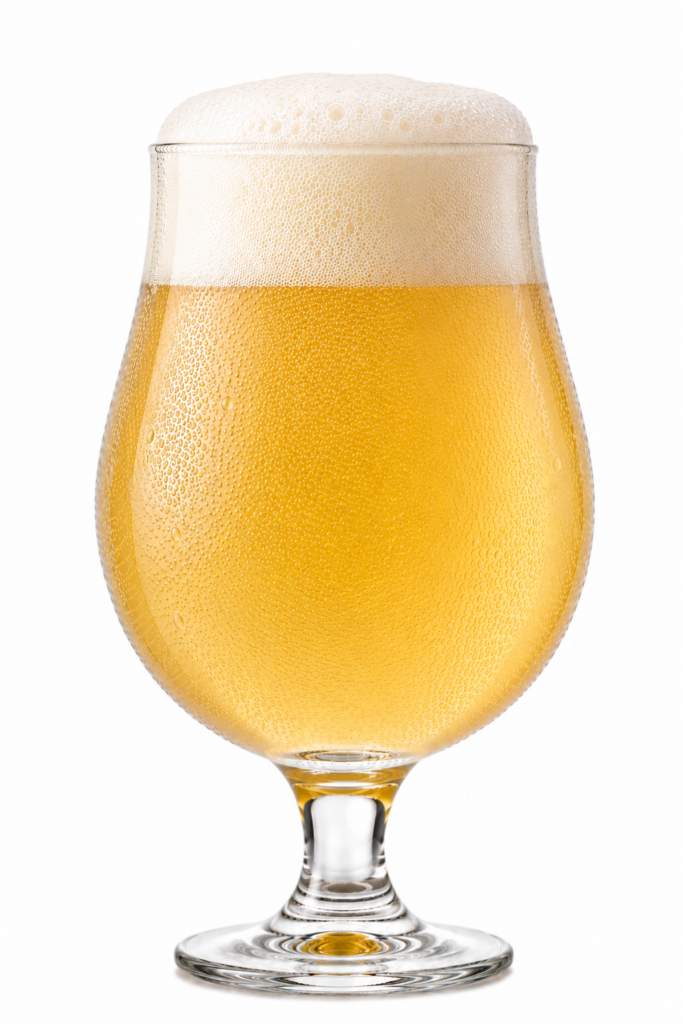
Poured into the glass, Blanche de Chambly displays a straw yellow hue with golden highlights. The haze is a characteristic consistent with the style and should not be automatically interpreted as a flaw.
The cloudiness comes mainly from wheat proteins and yeast present in the beer. Its intensity can vary depending on the pour and the amount of sediment added.
The head is white, generally abundant, and composed of fine bubbles. A perfectly clean glass promotes greater persistence.
To control the pouring, tilt the container initially, pouring along the side, and then straighten it at the end. Carbonation requires a slow movement, especially if the bottle was moved shortly before opening.
The aromatic profile
Lemon, orange, and a hint of citrus zest emerge on the nose. Coriander adds a spicy, slightly floral, and occasionally peppery character.
The yeast brings nuances of bread, light fruit, and spice. Hints of pear, apple, white flowers, and a light herbaceous note may appear.
Bitter orange peel contributes a distinct aroma from that of sweet juice. Its character is drier, more aromatic, and slightly bitter.
Served at a very low temperature, the beer displays a predominantly fresh and citrusy aroma. After a few minutes in the glass, the coriander, grain, and yeast notes become more noticeable.
The taste of Blanche de Chambly
The entry is smooth, with a delicate malty sweetness and a texture supported by the wheat. The medium-light body makes for a smooth sip.
Citrus, spices, and a light acidity emerge in the middle. The bitterness remains subdued, allowing the yeast and coriander to maintain their central role.
The lively carbonation helps cleanse the palate and makes the finish drier. The finish recalls orange peel, pepper, and grain.
The balance of sweetness, acidity, and spice avoids either an overly sugary taste or aggressive acidity. The beer remains aromatic without becoming heavy.
The yeast deposit
Blanche de Chambly is associated with secondary fermentation in the bottle and may have natural sediment. This does not compromise its quality.
For a clearer beer, hold the bottle upright and pour slowly, leaving a small amount of liquid at the bottom. Those who prefer a more intense haze can gently swirl some of the yeast around the bottle.
The yeast enhances the bready, spicy notes and makes the consistency slightly fuller. The bottle should not be shaken vigorously, as the pressure could cause a lot of foam to escape.
The instructions on the packaging remain the best reference for choosing the type of pour.
Temperature and glass
A serving temperature of around 5-7°C keeps the beer cool without completely masking its aromas. Serving it almost ice-cold tones down the coriander, yeast, and floral notes.
A tall wheat beer glass enhances the color, haze, and head. A tulip glass is also suitable for concentrating the bouquet.
The container should not be frozen. Ice crystals and water on the inside surface dilute the beer and interfere with the foam.
During tasting, the slight increase in temperature makes the grain and spices more evident. However, it's not necessary to let the beer warm for a long time.
Food pairings at the table
Blanche de Chambly pairs well with shellfish, mollusks, grilled fish, and lightly fried dishes. Citrus and carbonation complement the seafood flavors without overpowering them.
It's perfect for fresh cheeses, delicate goat cheeses, salads, and vegetables. Its spicy flavor also complements dishes flavored with herbs, ginger, or coriander.
Chicken, turkey, and white meats find a nice balance in the softness of wheat. It pairs well with sushi and moderately spicy Asian dishes.
With desserts, light recipes based on lemon, orange, or white fruit are preferable. Chocolate and intense caramel, on the other hand, tend to dominate the flavor profile.
Storage and consumption
The bottle should be stored upright, away from light and temperature changes. This position also helps sediment collect at the bottom.
The fresh citrus and spice notes generally taste best when the beer is consumed within the recommended shelf life. Long aging can dull the very aromas that define the style.
Once opened, Blanche de Chambly should be poured and consumed immediately. The loss of carbonation makes the sip less lively.
The refreshing sensation depends on temperature, acidity, and bubbles. Since it's an alcoholic beer, it's not a substitute for water and should be enjoyed responsibly.
A Canadian Blanche of reference
Blanche de Chambly combines wheat, citrus, coriander, and yeast in a hazy, fresh, and spicy beer. Secondary fermentation and carbonation support the head, while the dry finish maintains balance. Served at the right temperature, it clearly expresses the blend of the Belgian blanche style and Quebec's brewing identity.
The board

Brewer style

Alcoholic degrees

Service temperature

Recommended mug