DESCRIPTION
Brugs is a Belgian wheat beer belonging to the witbier tradition. Its profile combines cereals, citrus, coriander, and a delicate yeasty note, with lively carbonation and a light body. The natural haze and pale head complete the typical appearance of this style.
The name recalls Bruges, a Flemish city with a long brewing history, but it's important to distinguish the brand's origins from the actual place of production of each package. Brugs has always been linked to the city's brewing tradition, but ownership and production organization have changed over time. It's therefore unwise to assume that all bottles sold today are necessarily produced in Bruges: to be sure, you need to read the label.
The beer has also been known under names that explicitly reference wheat, such as Brugs Tarwebier. "Tarwe" actually means "wheat" in Dutch. The name Brugs can appear in different forms depending on the period and market.
The character of a Belgian witbier
Witbier, also called bière blanche in French, is a top-fermented Belgian beer made from wheat. Unlike Bavarian Hefeweizen, in which banana and clove flavors are primarily derived from the yeast, witbiers are often flavored with coriander and orange zest.
These elements contribute to a citrusy and spicy profile, supported by a light acidity. Wheat adds smoothness, promotes head formation, and contributes to the characteristic haze.
Brugs doesn't rely on intense bitterness. The hops remain discreet and play a key role in balancing the beer, allowing the grains, citrus, and spices to take center stage.
Appearance and foam
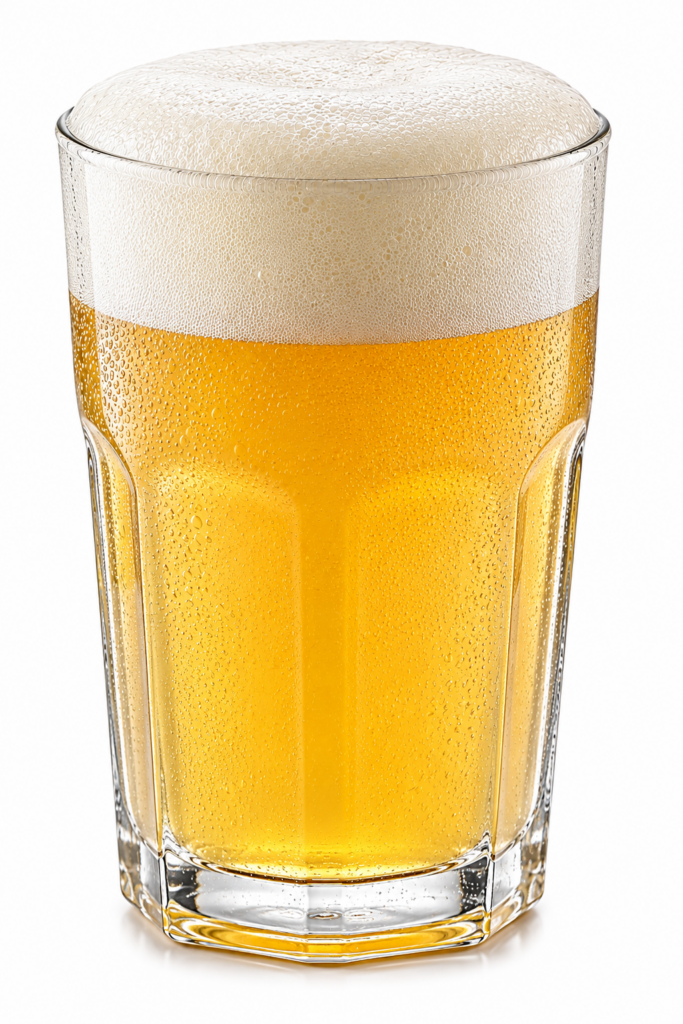
In the glass, Brugs appears straw yellow or pale golden. The haze is a natural characteristic of the style and is caused by the presence of wheat proteins, yeast, and other suspended components. It should therefore not be automatically interpreted as a defect.
The head is white, soft, and generally abundant. The wheat promotes a fine crown, although persistence can vary depending on the size, temperature, and cleanliness of the glass.
For proper pouring, it's best to tilt the glass and pour slowly. If there's sediment at the bottom of the bottle, you can either leave it behind for a clearer drink or gently spread it over the last few inches.
It's not necessary to shake the bottle vigorously. A gentle movement is enough to lift the sediment without causing excessive foam to escape.
Aromas of orange and coriander
On the nose, notes of wheat, light bread, and cereal emerge, complemented by orange zest and fresh citrus. Coriander adds a delicate spiciness that can recall pepper, aromatic herbs, and lemon.
Light floral and fruity nuances, similar to apple, pear, or white peach, may also appear. The yeast contributes a soft, doughy note, without typically achieving the banana-like intensity typical of many German weissbiers.
It's important to check the ingredients on the packaging. Although orange peel and coriander are traditionally associated with witbier and the description of Brugs, only the label for the specific version confirms the actual ingredients used.
Serving beer too cold makes the bouquet almost imperceptible. After a few minutes in the glass, the grains, citrus fruits, and spices become more recognizable.
Taste, body and finish
On the palate, the entry is soft and cereal-like. The wheat lends a slightly creamy texture, while the lively carbonation makes the sip agile.
Orange, lemon, and coriander emerge in the middle. The malty sweetness remains subdued and is balanced by a light acidity. It's not the intense acidity of a sour beer, but a delicate sensation that enhances the freshness.
The bitterness is low and not very persistent. The finish is dry, citrusy, and spicy, with a brief hint of cereal and orange peel. This profile makes it easy to drink, especially during a meal.
Beer is often described as thirst-quenching, but an alcoholic beverage is no substitute for water for hydration. On hot days, it's best to alternate it with water and consume it in moderation.
Recommended temperature and glass
A serving temperature between 5 and 7°C maintains liveliness without completely masking the aromas. Lower temperatures would make the beer almost neutral, while serving it too warm would accentuate the sweetness.
A tall, sturdy witbier glass is the most traditional choice. It provides room for the head and highlights the haze. A tulip glass can also work well when you want to further concentrate the aromas.
Adding an orange slice isn't necessary. It can enhance the citrus character, but it also risks overpowering the original aromas. To evaluate the beer, it's best to taste it first without any garnishes.
Food pairings
Brugs pairs well with fish, shellfish, mussels, and light fried dishes. Citrus and coriander complement seafood dishes, while the carbonation helps cleanse the palate.
It's also suitable for chicken, salads, grilled vegetables, fresh cheeses, and mild goat cheeses. It pairs well with spicy, but not overly hot, dishes, especially those with aromatic herbs or citrus.
Pizza bianca, focaccia, and savory pies are simple and effective pairings. Braised meats, very mature cheeses, and sweet desserts, however, risk overpowering their appeal.
Conservation and conclusion
The bottle should be stored upright, away from light and temperature changes. Witbiers best express their citrus and spice flavors when fresh, so they're generally not intended for long aging.
Brugs is, in short, a Belgian witbier historically linked to Bruges, but the actual place of production should be verified on the label. Wheat, citrus, coriander, and carbonation define its personality. Proper temperature and careful pouring enhance its freshness, haze, and spicy finish.
The board

Brewer style

Alcoholic degrees

Service temperature

Recommended mug