DESCRIPTION
Augustiner Lagerbier Hell is a bottom-fermented pale ale brewed in Munich. It belongs to the Münchner Helles style, characterized by a delicate balance between the flavor of barley malt and the bitterness of hops. The declared alcohol content is 5,2% ABV, and the recipe includes water, barley malt, and hops, as well as the yeast required for fermentation.
The beer is clear, golden, and light-bodied. Its character doesn't depend on intense aromas or pronounced bitterness, but on the cleanliness of the palate and the ability to maintain a mellow malty note without being overly sweet. It's precisely this technical simplicity, difficult to achieve without showing flaws, that makes it one of the brewery's most iconic products.
The Augustiner Tradition in Munich
Augustiner-Bräu traces its origins to the Middle Ages and owes its name to the Augustinian monks who brewed beer in Munich. Over the centuries, the brewery has moved and transformed, while maintaining a strong connection to the city. Its modern headquarters are located on Landsberger Strasse.
Augustiner is also one of six Munich breweries authorized to supply beer at the Oktoberfest. This, however, doesn't mean that Augustiner Lagerbier Hell is the beer specifically served at the event. For the Oktoberfest, the brewery prepares a distinct seasonal beer, more structured and with a different strength.
The Lagerbier Hell should not be confused with the Augustiner Edelstoff. The latter is a pale lager in the Export category, with a slightly higher body and alcohol content. The 5,2% ABV Hell, on the other hand, remains the one most closely linked to the everyday tradition of Munich's Helles.
What does Helles mean?
The German word "hell" means "light" or "pale." In brewing parlance, it refers to a golden lager created in Munich as a response to the pale, pilsner-inspired beers that were conquering the European market. Compared to a German pilsner, a Münchner Helles tends to have less pronounced bitterness and a more pronounced malt flavor.
This doesn't mean the beer has to be sweet. In Augustiner Lagerbier Hell, the malt brings notes of bread, cereal, and a slight honeyed sensation, while the hops contribute floral nuances and a soft bitterness. Honey is only one possible sensory descriptor; it isn't listed among the ingredients.
Low-temperature fermentation and subsequent maturation favor a clean profile, in which the fruity yeast notes remain very subdued. This characteristic distinguishes a Helles from both the fruitier and spicier Bavarian Weissbiers and top-fermented ales.
Appearance and foam
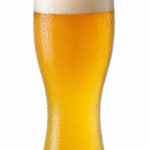
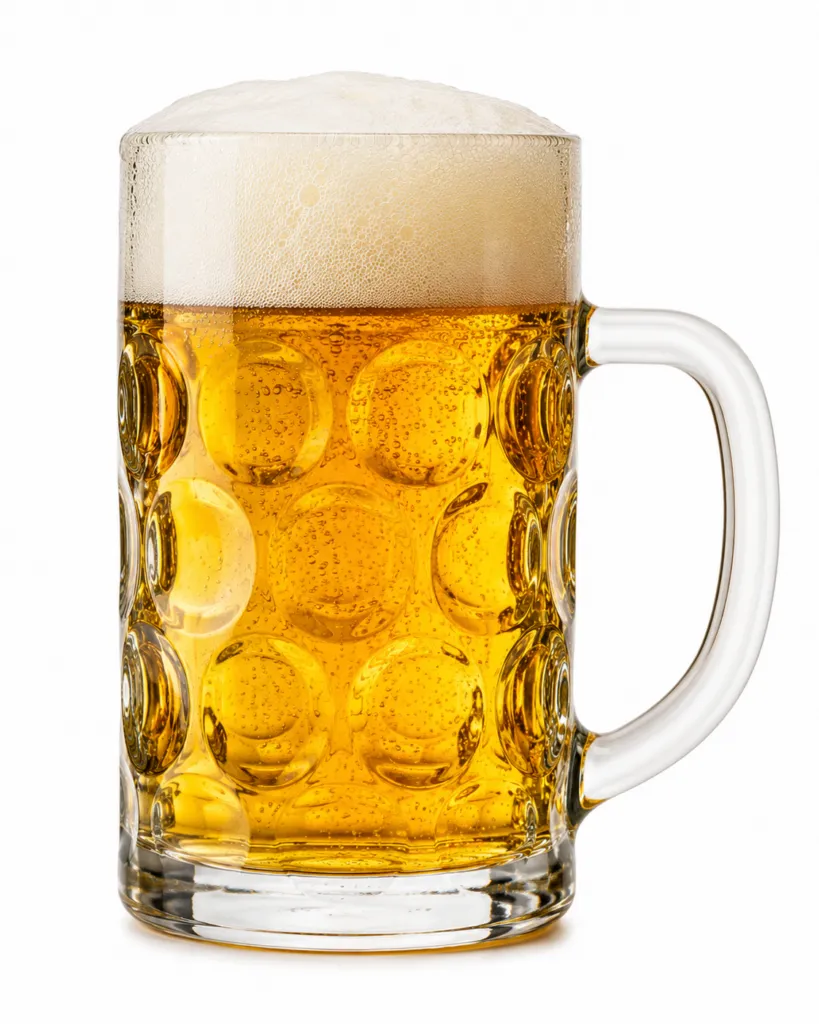
In the glass, Augustiner Lagerbier Hell appears golden yellow, bright and clear. The head is white, fine and dense, with a generally good persistence when the beer is served correctly.
To preserve the head, it's important to use a clean glass free of grease or detergent residue. Pouring can begin with the glass tilted, allowing the beer to flow along the side. When the glass is about two-thirds full, gradually straighten it to form a uniform head.
The lack of cloudiness is normal for this beer. This is not an unfiltered Kellerbier or a wheat beer with suspended yeast. An unusually cloudy appearance, especially if accompanied by unusual odors, may indicate improper storage.
Aroma, taste and finish
The producer describes a clean, cellar-fresh aroma, with light floral notes of hops and a malty undertone. In the glass, one can detect hints of white bread, cereal, crackers, and a delicate herbaceous nuance.
On the palate, the body is medium-light, and the carbonation offers a lively attack. The malt component appears soft and balanced, while the hop bitterness remains velvety and discreet. The finish is clean, moderately dry, and slightly bitter, without a long finish.
Its drinkability comes from balance, not from a lack of flavor. Serving it too cold can make it almost neutral, while serving it too cold brings out the malt and reduces the sensation of freshness. While pleasantly smooth, it contains alcohol and does not replace water for hydration.
Temperature and glass
A serving temperature between 6 and 8°C allows you to appreciate both its freshness and delicate malty notes. After a few minutes in the glass, the beer can more clearly reveal its aromas of bread and floral hops.
The brewer recommends the traditional half-liter Augustiner Willibecher, a cylindrical glass with a slightly rounded shape. Alternatively, a Bavarian mug or a lager glass can be used. The 0,5-liter size is the one most associated with traditional beer consumption.
Food pairings
Augustiner Lagerbier Hell is a natural accompaniment to Bavarian cuisine. It pairs well with Weisswurst with sweet mustard, pretzels, Leberkäse, roast chicken, pork knuckle, and schnitzel. The carbonation helps cleanse the palate, while the malt complements bread, dough, and browned surfaces.
It can also be paired with Margherita pizza, focaccia, plain burgers, fried fish, and battered vegetables. It pairs best with cheeses, especially fresh or medium-aged varieties. Very spicy dishes, sweet desserts, and particularly strong cheeses, however, risk overpowering its delicate profile.
Food container
The bottle should be stored upright in a cool, dry, and dark place. Exposure to light can alter the hop aromas, while heat accelerates aging. A Helles is not intended for long aging: it's best to consume it within the best-before date indicated on the package, when its cleanliness, head, and freshness are still well-defined.
In conclusion
Augustiner Lagerbier Hell is a 5,2% ABV Munich Helles, brewed with water, barley malt, and hops. It offers a clean, malty, and delicately floral profile, supported by a smooth bitterness. It should not be confused with Edelstoff or the seasonal Oktoberfestbier. Served between 6 and 8°C in the traditional half-liter glass, it pairs perfectly with Bavarian specialties, pizza, fried foods, and white meats.
The board

Brewer style

Alcoholic degrees

Service temperature

Recommended mug