DESCRIPTION
Bière du Boucanier Golden Ale is a top-fermented Belgian Golden Strong Ale, featuring an 11% ABV and a rich malt, fruit, and subtle spicy notes. Within the core Boucanier range, it is the most powerful, surpassing the 9% ABV Dark Ale and the 7% ABV Red Ale.
The golden color and lively carbonation can make it seem lighter than it actually is. Its full body, initial sweetness, and alcoholic warmth require a slow tasting, preferably in a glass and paired with a suitable dish. The sensation of freshness is only in the mouth: with 11% alcohol, it's not a beer designed to quench thirst.
Origin and identity of beer
The Bière du Boucanier range is managed by the Belgian company ICOBES and brewed in East Flanders. The sales information links these beers to the Brouwerij Van Steenberge, but it's always a good idea to check the information on the bottle, especially when purchasing a package from an older distributor.
The name recalls the buccaneers active in the Caribbean and their imagery of navigation, adventure, and ship raids. This is a narrative element of the brand, not a production specification: Golden Ale is not aged in rum barrels and does not necessarily contain Caribbean-related ingredients.
The correct name indicated by the brand is Belgian Golden Strong Ale. It shouldn't automatically be called a tripel just because it's blond, Belgian, and high in alcohol. "Tripel" identifies a specific stylistic tradition, while Golden Ale is the name chosen for this beer.
Production and refermentation
Bière du Boucanier Golden Ale is top-fermented and refermented in the bottle with sugar and yeast. It is neither filtered nor pasteurized, so it may have a haze and a natural sediment at the bottom. The clarity described in the opening text also depends on how you pour it: leaving the sediment in the bottle will make the liquid appear brighter; pouring it will make it more opalescent.
The declared composition includes water, barley malt, sugar, rice, hops, and yeast. Sugar and rice can increase the fermentability of the wort and support the alcohol content without making the body excessively heavy. However, without knowing their proportions, it's incorrect to attribute the entire character of the beer to a single ingredient.
The wort is listed at 22 degrees Plato, a value consistent with a very structured beer. This number does not correspond to the alcohol percentage and does not mean that double or triple the amount of malt was used.
Appearance and foam
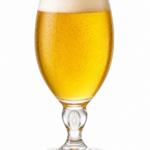
In the glass, Golden Ale displays a deep golden color, with possible amber highlights. The declared color value is approximately 15 EBC, consistent with a deeper hue than a common pale lager. The lack of filtration can make it slightly hazy, especially when the lees are poured off.
The head is white or light ivory and can develop abundantly thanks to secondary fermentation in the bottle. Persistence and consistency depend on the temperature, the cleanliness of the glass, and how the bottle was transported.
Before opening, it's a good idea to let the bottle stand upright. Shaking or turning it upside down distributes the yeast and can cause excessive foaming when poured.
Perfume and aromatic descriptors
The bouquet is dominated by malt and the fruity component of fermentation. Aromas of cereal, light bread, ripe yellow fruit, and sugar can be detected. As the temperature rises, nuances of honey, pear, apricot, and light spices may emerge.
Honey and fruit are sensory descriptors, not declared ingredients. Aromas can develop through malt, yeast, and fermentation without the addition of the foods they evoke. Alcohol also produces a sweet, warm sensation that can be reminiscent of fruit preserved in alcohol or liqueur.
The hoppy profile remains less evident on the nose, but gains prominence on the finish. If the bottle is poorly stored, the fresh aromas can diminish, giving way to oxidized, papery, or excessively alcoholic notes.
Taste, body and finish
On the palate, Bière du Boucanier Golden Ale is full-bodied and warm. The entry is smooth, with a noticeable malty sweetness and hints of ripe fruit. The lively carbonation counteracts the density and makes the sip less heavy than the alcohol content might suggest.
The declared bitterness is around 30 IBUs, enough to balance the sweetness without making the beer a hop-dominated drink. The finish is long, relatively dry, and bitter, with hints of malt, fruit, and alcohol.
The 11% alcohol may initially seem well-integrated, especially at a low temperature. However, it becomes more noticeable as the minutes pass, which is why it's best to consume the beer in moderation and not serve it in excessive portions.
Temperature, glass and pouring
The recommended serving temperature is between 8 and 12°C. Serving it around 8°C enhances its freshness and carbonation; allowing it to rise to 12°C brings out the malt, fruit, and spices more.
A tulip glass is the best choice, as it concentrates the aromas and leaves room for the head. Pour slowly, tilting the glass and then straightening it at the bottom. The sediment can be left in the bottle or added in small amounts, according to personal taste.
Pairings and storage
Its robust structure pairs well with aged cheeses, roast pork, spiced chicken, duck, and dishes with slightly sweet sauces. It also pairs well with flavorful shellfish, cured meats, and gratin dishes. Caution is advised with very spicy dishes, as alcohol can increase the sensation of heat.
At the end of a meal, it works well with low-sugar desserts made with almonds, yellow fruit, or puff pastry. Overly rich desserts, however, risk accentuating the softness of the dish.
The bottle should be stored upright, in the dark, and without temperature fluctuations. The stated shelf life is up to three years, but prolonged aging does not guarantee improvement.
Bière du Boucanier Golden Ale is a strong Belgian ale with an 11% ABV, golden, malty, and fruity notes. Served between 8 and 12°C in a tulip glass, it offers the best balance with cheeses, roasts, and savory dishes, always through slow and moderate tasting.
The board

Brewer style

Alcoholic degrees

Service temperature

Recommended mug