DESCRIPTION
Bitburger is one of the most recognizable names in German brewing tradition. The brand originated in Bitburg, in Rhineland-Palatinate, where the brewery was founded in 1817. When people simply mention Bitburger, they generally refer to Bitburger Premium Pils, the classic pale lager known for its dry profile and bitter finish.
The brand also includes other products, including non-alcoholic versions and other types of beers. Therefore, it's always helpful to read the full name on the packaging. Premium Pils typically has an alcohol content of around 4,8% by volume, although this should be checked on the individual bottle or can.
Bitburger doesn't rely on fruity aromas, intense roasting, or a particularly rich structure. Its character comes from the balance of pale malts, hops, clean fermentation, and maturation. It's an easy-drinking beer, but the precision required to achieve this result shouldn't be underestimated.
A German pils
Pilsner originated in the 19th century in the Bohemian city of Plzeň, but was quickly reinterpreted by German breweries. German versions tend to be drier, paler, and more bitter than many Bohemian pilsners, which can exhibit a more malty smoothness.
Bitburger Premium Pils follows the German school. The malt offers a delicate base of bread and cereal, while the hops bring herbal, floral notes and a clearly perceptible bitterness. Low-temperature fermentation maintains a clean profile, limiting the fruity aromas that characterize many ales.
The term "pils" doesn't simply mean any pale beer. A golden lager can be sweeter, less bitter, or constructed in a different style. In pils, bitterness and a dry finish are essential elements.
Appearance and foam
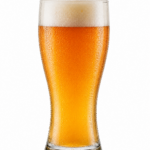
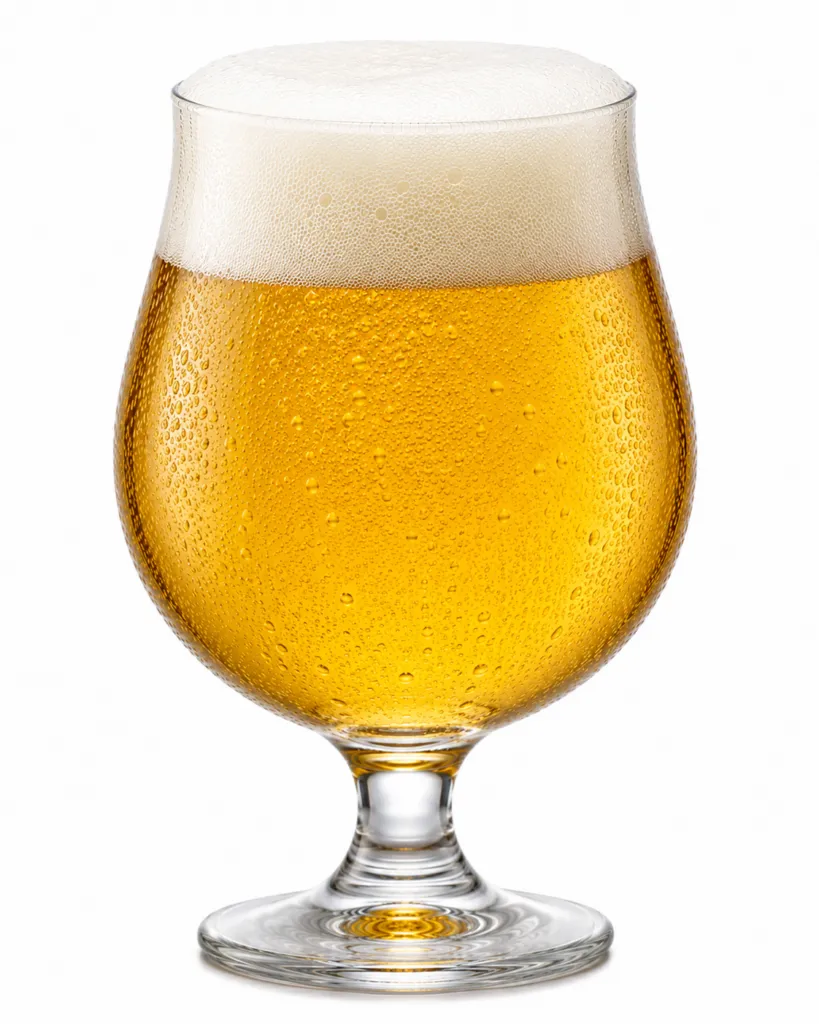
In the glass, Bitburger appears straw yellow or light golden, with brilliant clarity. A good pour allows you to observe the bubbles rising steadily to the surface.
The head is white, fine, and generally persistent. To form a regular crown, you can tilt the glass during the first part of the pour and gradually straighten it. Pouring the beer completely vertically from the beginning would produce excessive head; letting it run down the side of the glass throughout the pour could, however, reduce it too much.
The glass must be clean and free of detergent or grease residue. These substances reduce the stability of the foam and can alter the aromas. It's not necessary to freeze the glass: ice crystals and foreign odors risk altering the service.
Aromas of cereals and hops
The nose reveals pale malt, crackers, fresh bread, and a subtle hint of honey. The hops add herbaceous, floral, and delicately spicy notes. Hints of hay or citrus zest may also emerge.
Honey, flowers, and citrus are sensory descriptors and don't necessarily indicate added ingredients. In pilsner, these aromas come primarily from the malts and hops.
The bouquet is deliberately delicate. Serving Bitburger almost chilled would make it even less noticeable, leaving only the carbonation and bitterness to the fore. After a few minutes in the glass, the bread, herbs, and grains become more evident.
Packaging freshness is important. Hoppy and pale beers can be affected by light, heat, and prolonged storage, developing unpleasant aromas that don't match the expected profile.
Taste, body and finish
On the palate, the entry is clean, with a restrained malty sweetness. The body is light to medium-light, and the carbonation keeps the sip lively. Bread, cereal, and crackers form the base, quickly joined by the hop bitterness.
The finish is dry, herbaceous, and quite persistent. The bitterness is more pronounced than that of many commercial lagers, but it should remain balanced and free from aggressive sensations. The aftertaste can recall herbs, flowers, and crusty bread.
The word "thirst-quenching" describes the sensation created by the cold, carbonation, and dry finish. Bitburger, however, contains alcohol and should not be used to rehydrate after sports or during prolonged exposure to heat.
Recommended temperature and glass
A serving temperature between 5 and 7°C (41 and 45°F) helps maintain freshness without canceling out the aromatic profile. A beer served too cold seems more neutral; if too warm, it can lose its precision and reveal more of the malt's sweetness.
The most suitable glass is tall, narrow, and slightly flared, typical of pilsner beers. This shape enhances the bright color, encourages the bubbles to rise, and supports the head. A lager glass can also be used.
The bottle or can should be gradually cooled in the refrigerator. Freezing is not recommended, as it can damage the packaging and compromise the aroma and carbonation.
Food pairings
Bitburger pairs easily with pizza, focaccia, sandwiches, and delicate cured meats. Its bitterness helps balance fatty dishes, while its light body doesn't overpower simpler flavors.
It pairs well with cutlets, sausages, chicken, pork, and fried dishes. It also pairs well with fish, shellfish, salads, grilled vegetables, and fresh or medium-aged cheeses.
With spicy cuisine, it works best with aromatic but not overly spicy dishes. A very intense chili pepper can make the bitterness harsher and increase the alcohol's sensation of heat.
Conservation and conclusion
Bitburger should be stored away from light and heat sources, preferably upright. Green or clear bottles require special attention when exposed to light, which can quickly alter the hop aromas. It's best to consume the beer within the specified shelf life, without aging it.
In its Premium Pils version, Bitburger offers a clear example of German Pils: golden in color, clean fermentation, a delicately malty base, and a dry, hoppy finish. Proper temperature, a clean glass, and storage away from light are essential for enjoying it to its fullest.
The board

Brewer style

Alcoholic degrees

Service temperature

Recommended mug