DESCRIPTION
Cantillon Gueuze 100% Lambic Organic is a spontaneously fermented Belgian beer produced by Brasserie Cantillon in Brussels. It represents one of the most recognizable expressions of traditional gueuze: a blend of lambics of different ages, refermented and aged in the bottle until it develops carbonation, acidity, and a particularly complex aromatic profile.
The word "Bio" indicates the use of raw materials from organic farming, as stated on the product. It doesn't mean the beer is alcohol-free, lighter, or necessarily healthier. Certification, vintage, and specific information should also be checked on the packaging, as the characteristics of craft production can vary over time.
Cantillon Gueuze 100% Organic Lambic isn't for those looking for a sweet or simply fruity beer. Its character is dry, tart, and rustic, with notes of citrus, green apple, hay, and wood. It's a drink to be savored slowly, allowing it time to unfold in the glass.
The difference between lambic and gueuze
Lambic is a spontaneously fermented beer typical of Brussels and the Senne Valley. The wort is exposed to microorganisms present in the environment and then transferred to wooden vats, where it ferments and matures slowly. The resulting beer, especially when young, can be slightly carbonated and characterized by an evolving acidity.
Gueuze, on the other hand, is created by blending lambics of different ages. Traditionally, young batches, still containing fermentable sugars, are combined with more mature and complex lambics. After bottling, the residual sugars promote a new fermentation that naturally generates carbonation.
It's not a beer flavored to imitate wine or sparkling wine. Its liveliness, dry finish, and vinous nuances come from the production method, maturation, and the activity of yeasts and other microorganisms.
A product that can change over time
Each lambic blend has slightly different characteristics. The age of the components, the barrels, the environmental conditions, and the length of aging can influence acidity, aromas, and carbonation. Therefore, two bottles from different vintages don't necessarily have to be identical.
Refermentation allows the gueuze to mature over a long period, developing a more integrated profile. Aging, however, doesn't automatically guarantee improvement: a young bottle may be brighter and more citrusy, while an older one may display greater complexity, earthy notes, and a different carbonation.
Appearance and foam
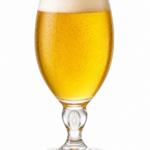
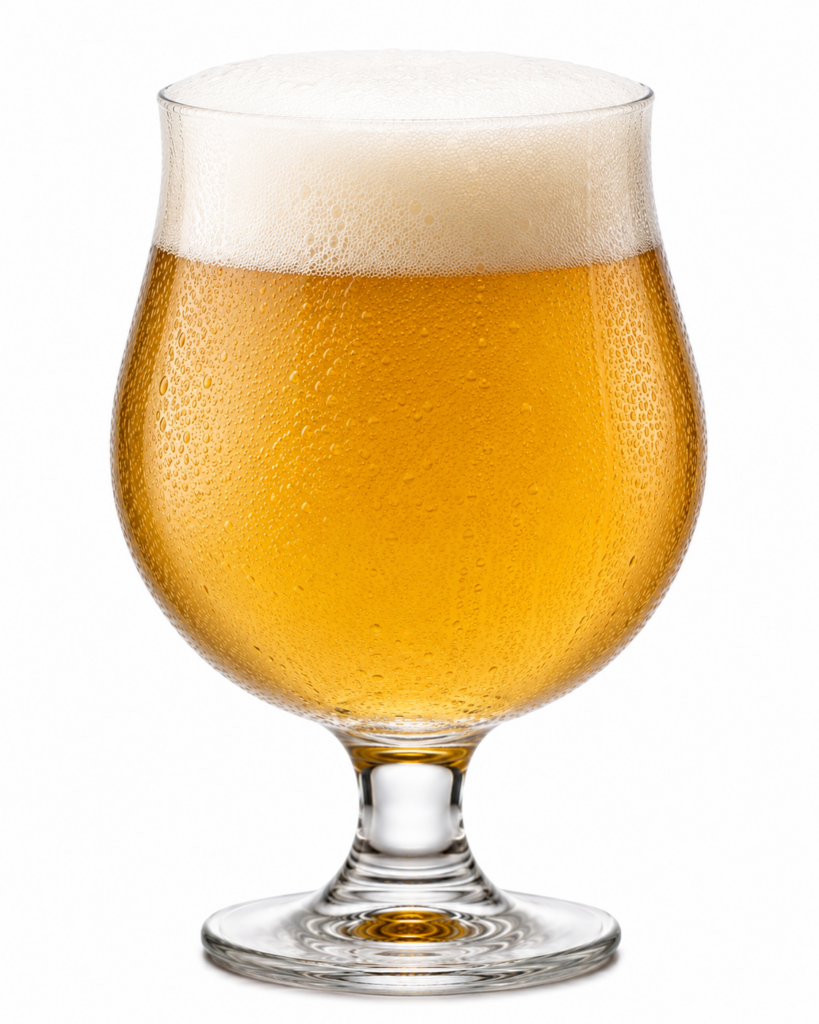
In the glass, Cantillon Gueuze 100% Organic Lambic generally appears golden, with straw-yellow or amber highlights. The haze may vary depending on the age of the bottle and the amount of sediment distributed during pouring.
The head is white, fine, and lively, but its persistence can vary from bottle to bottle. Natural carbonation can be intense, especially in bottles that have been stored for a long time, requiring careful opening.
Before serving, it's a good idea to leave the bottle upright for a few hours to allow the sediment to settle. The cork should be removed slowly, keeping the bottle cool and without shaking. When pouring, tilt the glass and pour slowly, skipping the last part if you want a clearer drink.
Complex and rustic aromas
On the nose, lemon zest, grapefruit, green apple, and unripe grapes emerge, accompanied by notes of hay, cellar, and wood. Earthy, floral, mineral, or slightly animalic overtones may also appear, typical of the lambic's microbiological evolution.
These sensations don't necessarily correspond to added ingredients. Apple, citrus, grape, and hay are descriptors developed during fermentation and maturation. The rustic character is often associated with the activity of Brettanomyces, yeasts capable of producing very different aromas over time.
A slight acetic component may be present, but it shouldn't turn the beer into mere vinegar. The best balance allows you to distinguish fruit, wood, and fermentation without any single sensation overpowering all the others.
Taste, acidity and finish
On the palate, the entry is lively, with a crisp acidity reminiscent of citrus and green apple. The carbonation lightens the generally lean body and makes the sip energetic. The mid-palate reveals notes of unripe fruit, hay, wood, and a light tannic component.
Hop bitterness remains low. In lambics, hops are traditionally used primarily for their preservative properties, not to develop an intense aroma like in an IPA. The balance is based primarily on acidity, dryness, and carbonation.
The finish is very dry, persistent, and mineral, with citrus and rustic aftertaste. The term "fresh" describes the taste sensation, but gueuze contains alcohol and shouldn't be considered a rehydrating drink.
Recommended temperature and glass
A serving temperature between 9 and 12°C (48 and 54°F) enhances the complexity without making the acidity overly aggressive. Serving it chilled would hide many nuances; too high a temperature could accentuate the acetic notes.
You can use a tulip glass, a white wine glass, or the traditional narrow gueuze glass. It's best not to fill it completely, leaving room for the aromas and the foam.
Bottles sealed with corks can be stored lying down in a cool, dark, and stable place. Before opening, they should be returned to an upright position to allow the sediment to collect at the bottom.
Food pairings
The acidity of gueuze pairs well with fatty, savory dishes. It's interesting with aged or soft-rind cheeses, cured meats, pâtés, and terrines. It can also be served with mussels, oysters, smoked fish, and shellfish.
The dryness allows pairings with fried foods, pork, and fermented dishes. With desserts, it's best to choose apple pies or low-sugar desserts: a very sweet dish would make the beer's acidity more aggressive.
Cantillon Gueuze 100% Lambic Organic embodies a tradition deeply rooted in Brussels. The blend of lambics, refermentation, and maturation create a dry, acidic, and dynamic beer. Careful opening, proper temperature, and slow tasting are essential to appreciate its character without reducing it to a simple "sour beer."
The board

Brewer style

Alcoholic degrees

Service temperature

Recommended mug