DESCRIPTION
Caracole Saxo is a top-fermented Belgian beer produced by Brasserie Caracole in Falmignoul, in the province of Namur. Golden, aromatic, and lively, it belongs to the Belgian Strong Golden Ales family, pale beers with a high alcohol content that combine fruit, spices, malt, and hops for a generally dry finish.
The brewery is known for its use of traditional wood-fired copper boilers. This method contributes to the artisanal identity of the brewery, but it shouldn't be considered the sole determinant of the beer's aromas. Raw materials, fermentation, yeast, temperature, and refermentation play an equally important role.
Caracole Saxo typically reaches an alcohol content of around 8% by volume, although this should be checked on the packaging. The lively carbonation and pale color can make it seem lighter than it actually is. Therefore, it's a beer to be sipped slowly and in moderation.
A strong golden ale
Belgian Strong Golden Ales combine a high alcohol content with a lighter body than you might expect. The use of pale malts maintains the golden color, while fermentation develops aromas of fruit, spices, and flowers.
Yeast plays a key role. It can produce aromas reminiscent of pear, peach, apricot, banana, pepper, and cloves. These hints don't necessarily indicate the addition of fruit or spices, but are often the natural result of fermentation.
Compared to a tripel, a strong golden ale can appear clearer, drier, and livelier, though the boundaries between the two families aren't always clear. In the case of Saxo, it's more useful to focus on the balance between fruit, spice, carbonation, and alcoholic warmth than to seek an overly rigid classification.
Cooking in traditional boilers
Brasserie Caracole maintains a production method based on wood-fired copper boilers. Controlling a heat source that's less uniform than modern systems requires experience and attention.
Cooking can contribute to the development and concentration of the wort, but it doesn't automatically mean the beer will have smoky flavors. A wood fire under the kettle isn't the same as using smoked malt: the smoke doesn't necessarily come into direct contact with the beverage.
It is therefore more correct to describe the method as part of the traditional production process, without attributing to it alone every note of caramel or roasting perceived in the glass.
Appearance and foam
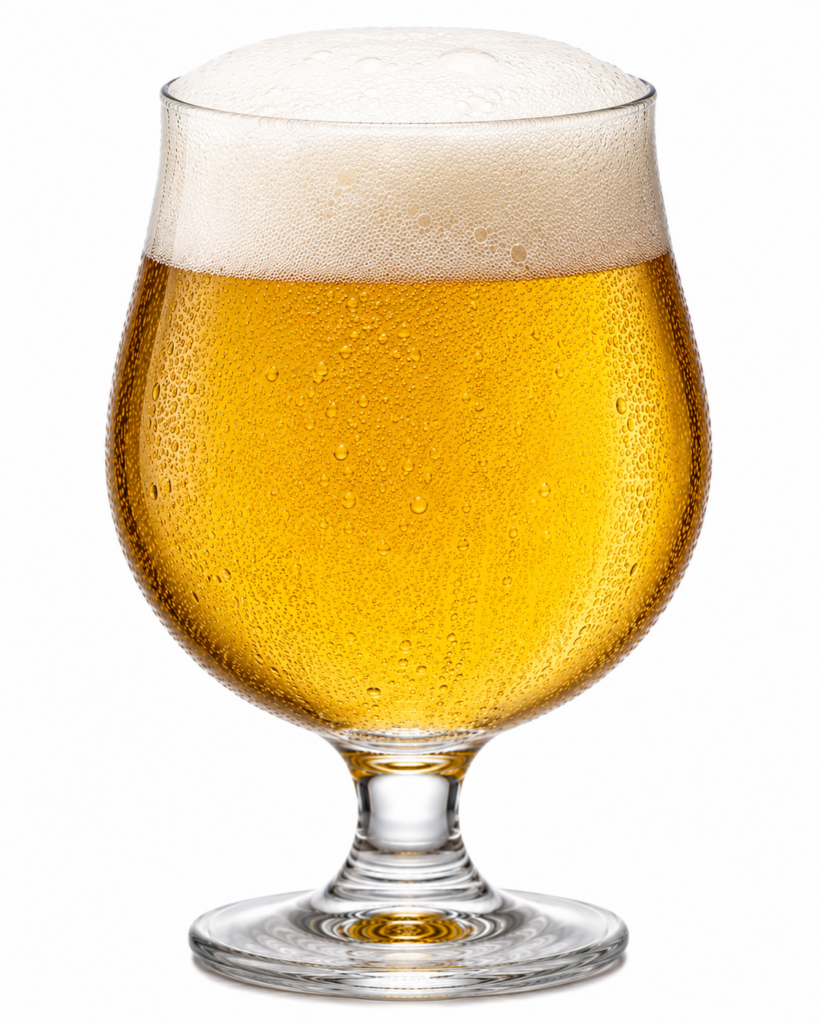
In the glass, Caracole Saxo presents a deep golden color, with straw-yellow or slightly amber highlights. It may appear cloudy, especially if the natural sediment on the bottom is poured off during serving.
The head is white, abundant, and persistent. The sustained carbonation requires slow pouring: it's advisable to tilt the glass, pour gradually, and only straighten it at the end.
Those seeking a clearer beer can leave the last centimeter of sediment in the bottle. The sediment can be served separately, allowing you to evaluate its effect before adding it. A slight cloudiness is consistent with a refermented, unfiltered beer.
Fruity and spicy aromas
Peach, pear, apricot, and citrus zest emerge on the nose. The malt brings notes of light bread, cereal, and a hint of honey, while the yeast adds peppery, floral, and herbaceous nuances.
A coriander-like aroma may be detected, but this doesn't necessarily mean it's actually a spice. To distinguish the actual ingredients from the aromas produced during fermentation, consult the package directions.
As the temperature rises, candied fruit, aromatic herbs, and a light alcoholic note appear. In a well-stored beer, the warmth should complement the bouquet, without overpowering the fresher components.
Taste, body and finish
On the palate, the entry is smooth, with a restrained malty sweetness. The carbonation makes the sip lively and lightens the structure. The mid-palate returns with yellow fruit, citrus, and spices, accompanied by a light herbaceous note.
The body is medium, while the bitterness increases towards the finish. The finish tends towards dry, with a lingering pepper, yeast, and fruitiness. The alcohol becomes more evident as the beer warms.
Simply calling it "smooth" can be misleading: the relative dryness makes it easy to sip, but the alcohol content remains important. Furthermore, the perceived freshness makes the beer unsuitable for rehydration.
Recommended temperature and glass
A serving temperature between 8 and 10°C (46 and 50°F) allows for a good balance between freshness and complexity. Serving it chilled would mask the fruit, spices, and yeast; too high a temperature would accentuate the alcoholic heat.
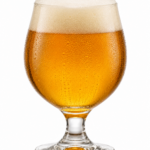
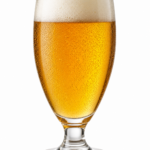
The most suitable glass is a tulip glass or a Belgian beer glass. The wide part leaves room for the head, while the opening concentrates the aromas. The glass must be clean and free of grease or detergent residue.
The bottle should be opened without shaking it, especially if it has been recently transported or if it shows obvious deposits.
Food pairings
Caracole Saxo pairs well with roast chicken, pork, rabbit, and white meats prepared with delicate spices. Its citrus notes pair well with lemon, mustard, and herb sauces.
It pairs well with savory fish, shellfish, mussels, and fried foods. The carbonation helps cleanse the palate, while the dry finish balances richer dishes.
Semi-mature cheeses, with a washed rind or moderately salty flavor, are recommended. It can also be paired with Asian dishes, as long as they aren't excessively spicy, as alcohol can amplify the sensation of heat.
Apricot tarts, almond biscuits, and not-too-sugary citrus desserts work well with desserts.
Conservation and conclusion
The bottle should be stored upright, away from light and temperature fluctuations. A cool, stable place helps preserve aromas and carbonation. Aging can alter the profile, but does not automatically guarantee improvement.
Caracole Saxo is a strong golden ale with a Walloon character, recognizable by its fruit, spice, and liveliness. Brewing in traditional cauldrons enhances its identity, while the correct temperature, appropriate glass, and slow tasting allow you to appreciate its balance without underestimating its alcohol content.
The board

Brewer style

Alcoholic degrees

Service temperature

Recommended mug