DESCRIPTION
DAB is a German beer with strong ties to the city of Dortmund and the tradition of Dortmunder Export. The name is an abbreviation of Dortmunder Actien-Brauerei, a brewery founded in 1868 during a period of strong industrial development in the region.
In the glass, it appears golden and clear, with a profile built on the balance between malt, hops, and clean fermentation. Compared to a very dry and bitter Pils, it tends to offer a more malty roundness; compared to a particularly smooth Helles, it generally retains a more pronounced bitterness. This very meeting point is one of the distinctive traits of the Dortmund style.
Dortmund's brewing history
Dortmund became one of Germany's leading brewing centers between the 19th and 20th centuries. The growth of industry, mining, and population favored the spread of beers suitable for regular production and wider distribution.
The Dortmunder Actien-Brauerei was founded in 1868 and helped make the city's name recognizable in the world of beer. Over time, the facilities, ownership, and production methods have changed, as have many major European brands.
The DAB available today should therefore be considered a modern lager tied to that tradition, not a completely unchanged reproduction of the 19th-century beer. Versions and characteristics can also vary depending on the market, so the label remains the reference for strength and place of production.
What is a Dortmunder Export?
Dortmunder Export is a pale, bottom-fermented lager, generally characterized by medium body, a good malty character, and balanced bitterness. The term "Export" doesn't simply mean that the beer is sold abroad.
Historically, it often referred to a beer that was slightly more structured and suitable for distribution than versions intended for local consumption. A higher density and adequate alcohol content contributed to the product's stability.
The style ideally falls between the malty softness of Helles and the hoppy dryness of Pils. It should be neither sweet nor aggressively bitter. The main goal is harmony.
The characteristics of Dortmund's water have historically contributed to the profile of local beers, supporting both malt and bitterness. In modern brewing, the water composition can be precisely controlled and adjusted.
Appearance and foam
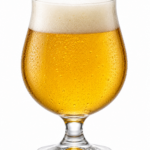
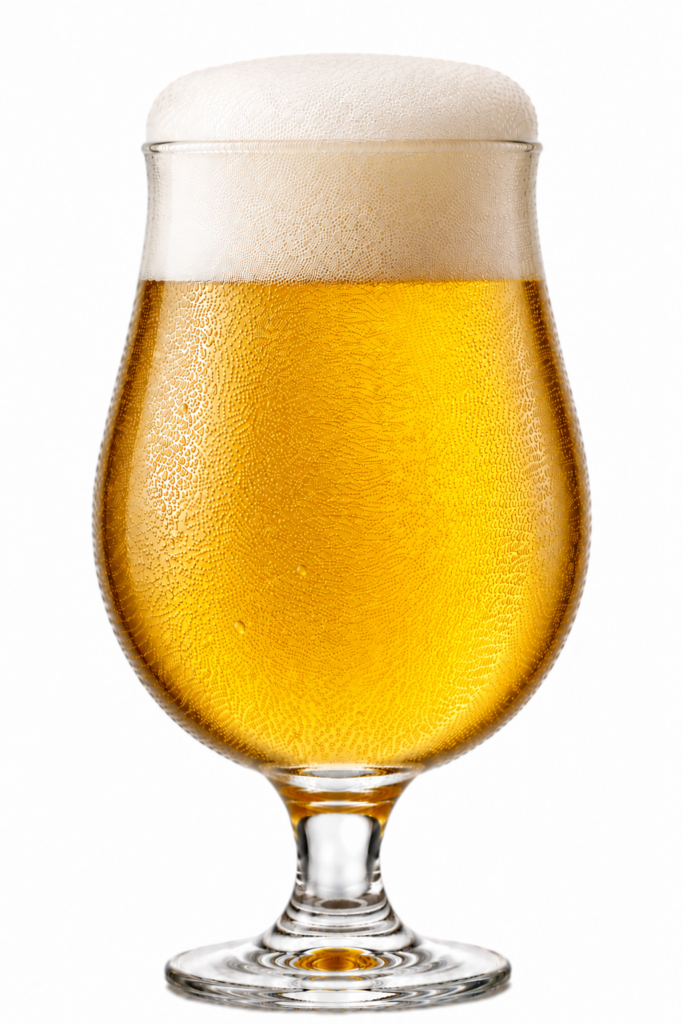
Poured into the glass, DAB displays a light golden hue with good brilliance. Its clarity allows you to observe the bubbles rising.
The head is white, with a generally fine texture. Persistence may depend on temperature, how clean the glass is, and the condition of the packaging.
The container must be free of grease and detergent residue, which quickly cause the foam to disappear. To pour correctly, tilt the glass, initially pouring along the side, and then straighten it at the bottom.
A well-proportioned head helps release aromas and makes carbonation less aggressive during the first sip.
The aromatic profile
Clean notes of cereal, light bread, and malt emerge on the nose. Hints of honey, biscuit, and a light bread crust may also emerge.
The reference to honey is primarily an aromatic descriptor and does not necessarily mean this element is present in the brew. Similar sweet aromas can derive from malts.
The hops add floral, herbal, and slightly spicy nuances. The profile doesn't typically reach the aromatic intensity of an IPA, but it retains enough presence to balance the malt component.
The fermentation remains clean, with a restrained fruitiness. If DAB is served too cold, the aromas appear weaker; after a few minutes, the bread, herbs, and honey notes emerge more.
The taste of DAB
The entry is smooth and rounded, with a malty, grainy base. The medium body offers a slightly more substantial texture than many light lagers.
An elegant bitterness develops in the middle, supported by floral and herbaceous notes. The hops shouldn't overwhelm the malt, but should prevent the beer from becoming sweet.
The carbonation keeps the sip lively and helps cleanse the palate. The finish leans toward dry, with a lingering balance of bread, grains, and herbs.
This structure makes DAB suitable for both drinking alone and accompanying food. The beer maintains its character without overly intense aromas.
Temperature and glass
A serving temperature of around 5-7°C allows for freshness while still allowing the malty notes to be perceived. Serving it almost chilled makes for a more neutral profile.
A tall Pilsner glass or a slightly flared goblet enhances color, clarity, and head. A German stein also offers a traditional and convivial service.
The container should not be frozen. Ice and condensation on the inside surface dilute the beer and can affect the foam.
During tasting, the slight increase in temperature makes the bread and malt more evident. However, it's not necessary to let the beer warm for too long, as it would lose some of its liveliness.
Pairings with German cuisine
DAB pairs well with bratwurst, sausages, schnitzel, and roast pork. The malty base complements searing, while the bitterness and carbonation cleanse the palate.
It's perfect for pretzels, potatoes, sauerkraut, and cold cuts. Its balance allows it to balance the flavor and fat without adding excessive sweetness.
Young or medium-aged cheeses work well with cheeses. Very intense or blue cheeses, on the other hand, tend to overshadow the beer's profile.
It can also accompany fried fish, chicken, savory pies, and baked vegetables. Very spicy dishes can accentuate the perception of bitterness and alcohol.
Conservation and freshness
The package should be stored upright, away from light, heat, and temperature fluctuations. Pale lagers have delicate aromas and are easily affected by improper storage.
It's best to consume DAB within the specified time frame. A Dortmunder Export generally offers its best when the malt, hops, and carbonation are still well-defined.
Once opened, it should be poured and consumed without delay. The loss of carbon dioxide makes the sip less lively and makes the malt taste sweeter.
The refreshing sensation comes from the temperature, carbonation, and dry finish. Since it's an alcoholic beer, it shouldn't be considered a substitute for water and should be consumed responsibly.
A lager symbol of Dortmund
DAB embodies the Dortmunder Export tradition with a golden color, medium body, and a precise balance of malt and hops. Served chilled but not icy, it offers notes of cereal, bread, flowers, and herbs, finishing with a clean finish. The brand's long history and versatile pairing options make it a recognizable representative of Dortmund's brewing culture.
The board

Brewer style

Alcoholic degrees

Service temperature

Recommended mug