DESCRIPTION
Henninger Kaiser Pilsner is a pale German lager rooted in the brewing tradition of Frankfurt am Main. Its profile follows the classic Pilsner style: golden color, delicate aromas of pale malt, herbaceous hopping, and a dry finish with a distinctive bitterness.
The name Henninger harks back to a historic Frankfurt brewery, but today it shouldn't simply be presented as an independent operation that has remained unchanged over time. The brand has undergone corporate changes and production changes, as has happened with many historic German beer brands. To find out the manufacturer and plant for a specific package, it's therefore advisable to read the information on the label.
The availability of Henninger Kaiser Pilsner can also change depending on the market and the season. The sensory description is still useful for recognizing its character, but it doesn't replace the information on the bottle or can.
The character of a German Pils
Pils is a bottom-fermented lager characterized by a pale color, good clarity, and a more pronounced bitterness than a Bavarian Helles. Malt still plays a prominent role, but is complemented by herbaceous, floral, or spicy hops that lead to a dry finish.
Henninger Kaiser Pilsner fits into this family with a bready, grainy base, a medium-light body, and balanced hops. It shouldn't be confused with an IPA: the hop aroma is more delicate and doesn't typically feature the intense tropical, citrus, or resinous notes of modern American beers.
The quality of a Pilsner depends primarily on the cleanliness of the fermentation and its freshness. Since it's a beer with a simple profile, any flaws can't be hidden by roasted malts, spices, or large amounts of aromatic hops.
Appearance and foam
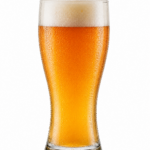
In the glass, Henninger Kaiser Pilsner appears golden yellow, bright and clear. The color may vary slightly depending on the light and the size, but it is generally clear.
The head is white, fine, and fairly firm. To encourage its formation, tilt the glass during the first part of the pour, pouring along the side, and gradually straightening it. A regular crown helps retain the aromas and enhances carbonation.
The glass should be free of grease or detergent residue, which could cause the head to collapse quickly. It's not necessary to chill it in the freezer: any ice on the surface would dilute the beer and reduce its aromatic expression.
Aromas of malt and hops
On the nose, notes of cereal, light bread, and a delicate crust emerge. A slight sweetness reminiscent of honey may appear, but this doesn't necessarily mean honey was added to the recipe. This aroma may come directly from the pale malt profile.
Hops impart herbaceous, floral, and slightly spicy nuances. The term "noble German hops" is often used to describe this type of aroma, but without a precise statement from the producer, it's inaccurate to attribute the recipe to specific varieties. What matters in tasting is the finesse of the hoppy component.
If served too cold, the beer can appear almost devoid of aroma. After a few minutes in the glass, the notes of bread, herbs, and flowers become more evident, while maintaining a moderate intensity.
Taste, body and finish
On the palate, the entry is smooth, with a light malty sweetness. Bread and grains build the first part of the sip, while the carbonation adds liveliness.
The medium-light body makes for a smooth drink. The hop bitterness is evident in the mid-palate, more pronounced than that of many generic lagers but still balanced. Herbaceous and floral notes round out the flavor without becoming overpowering.
The finish is dry, clean, and moderately persistent. The bitterness lingers on the palate, inviting another sip. A slight mineral note may accentuate the sensation of dryness, although this descriptor doesn't allow us to definitively determine the composition of the water used.
Beer can seem particularly refreshing due to its carbonation, dryness, and serving temperature. However, it shouldn't be considered a hydrating beverage: it contains alcohol and should be alternated with water, especially on hot days.
Recommended temperature and glass
Henninger Kaiser Pilsner can be served between approximately 5 and 7 °C. Lower temperatures would hide the aromas, while serving it too warm would make the sweetness of the malt more evident.
The ideal glass is tall, slender, and slightly flared. This shape enhances clarity, supports the head, and allows carbonation to develop. A glass mug can also be used for more informal service.
Food pairings
The dry finish makes this Pilsner perfect for fatty or fried dishes. It pairs well with cutlets, sausages, roast chicken, potatoes, hamburgers, and light fried foods. The bitterness cleanses the palate, while the malt complements bread and meat without overpowering them.
It can also be served with pizza, focaccia, delicate cured meats, and young cheeses. It pairs well with fish, whether fried, grilled, or baked. Among the flavors associated with the Frankfurt area, it pairs well with sausages and simple dishes with aromatic herbs.
Sugary desserts, very spicy cheeses and intense braised meats are less suitable, as they risk overpowering the beer's profile.
Conservation and conclusion
The package should be stored in a cool place, away from light and temperature changes. Pilsners best express their hop aromas when fresh, so it's advisable to check the date indicated and avoid prolonged storage.
Henninger Kaiser Pilsner is a German lager with a dry, herbaceous, and moderately bitter profile. The brand maintains a historic connection with Frankfurt, even though production has changed over time. Proper pouring, a moderate temperature, and simple pairings enhance its classic character.
The board

Brewer style

Alcoholic degrees

Service temperature

Recommended mug