DESCRIPTION
Ichnusa is an Italian lager beer created in Sardinia in 1912 and has become one of the island's most recognizable brands. The name derives from an ancient Sardinian name and has helped forge a strong connection between the beer and the local identity. The classic version features a simple and linear profile, based on cereals, pale malt, a light herbaceous note, and moderate bitterness.
The brand's history begins in Cagliari, but today production is tied to the Assemini plant. It's also worth noting that Ichnusa is neither a craft beer nor an independent producer: the brand is part of the Heineken Italia group. The connection with Sardinia remains important on historical, production, and cultural levels, but it must be distinguished from the image of a small, local brewery.
The name Ichnusa also identifies different variations, including unfiltered or other processed versions. The description of a pale, clear, light-bodied lager therefore refers to classic Ichnusa. When purchasing the beer, it's a good idea to check the full name on the label.
A pale lager with an immediate taste
Ichnusa belongs to the bottom-fermented lager family. This method favors a clean profile, in which the yeast aromas remain discreet and leave room for the malt and hops.
The beer is crafted to offer accessible drinking, without heavy roasting, spiciness, or intense bitterness. The malt brings notes of cereal and bread, while the hops contribute a light herbaceous component and a bitterness that balances the initial sweetness.
Simplicity shouldn't be confused with the absence of character. In pale lagers, quality depends primarily on aromatic clarity, freshness, and balance. Since there are no dominant ingredients, any storage issues are often easy to spot.
Appearance and foam
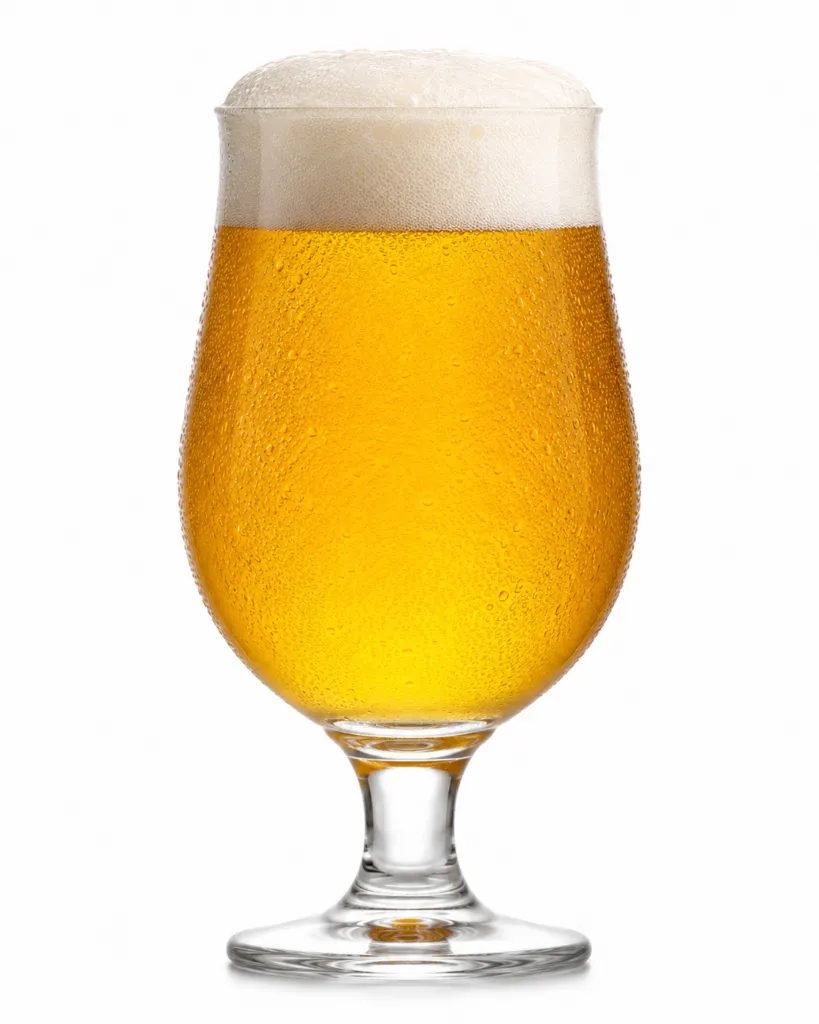
In the glass, Ichnusa appears a light golden yellow, bright and clear. The color is typical of a lager brewed primarily to be fresh and smooth.
The head is white, fine, and generally medium-long. To encourage its formation, it's best to tilt the glass during the first part of the pour, pouring slowly along the side, and then straightening it toward the end.
The glass must be thoroughly clean and free of grease or detergent residue. These substances can quickly cause the head to disappear and alter the taste. It's also best to avoid glasses stored in the freezer, as the ice layer can dilute the beer and prevent proper crown formation.
Aromas of cereals and hops
On the nose, delicate aromas of cereals, white bread, and pale malt emerge. Subtle sweet notes, similar to honey, may be present, but this doesn't necessarily mean honey was used in the recipe. It's a sensory descriptor that can derive directly from the malts.
The hops add herbal and floral nuances, without developing the citrus, tropical, or resinous aromas typical of modern, heavily hopped beers. The bouquet remains simple and short-lived, consistent with the beer's character.
Too low a temperature further reduces the intensity of the aromas. After a few minutes in the glass, the cereal notes become more recognizable, although the profile still favors cleanliness over complexity.
Taste, body and finish
On the palate, the entry is smooth, with a restrained malty sweetness. Notes of bread and cereal are accompanied by a lively carbonation, making the sip agile.
The body is medium-light. A delicate bitterness appears in the mid-palate, with light herbal notes. The hops aren't dominant, but they help prevent the malty component from being overly sweet.
The finish is quite dry, clean, and short. This closure makes Ichnusa easy to drink and makes it a perfect accompaniment to a meal. The refreshing sensation is often described as thirst-quenching, but an alcoholic beer is no substitute for water for hydration. It's therefore advisable to alternate it with water, especially on hot days.
Recommended temperature and glass
The serving temperature should be approximately 5-7°C. Serving it too cold would make the flavor almost neutral, while serving it too hot would highlight the malty sweetness and reduce the sensation of freshness.
A tall, slightly flared glass is ideal for observing clarity, color, and head. A glass mug can also be used for more informal service. The beer should be chilled gradually, avoiding repeated switching between hot and cold.
Food pairings
Ichnusa is versatile at the table thanks to its delicate profile. It pairs well with pizza, focaccia, sandwiches, burgers, and piadinas. The carbonation helps cleanse the palate when served with fried foods, cured meats, or young cheeses.
With seafood, it pairs well with fried calamari, grilled fish, seafood salads, and simple pasta dishes. It also pairs well with roast chicken, white meats, grilled vegetables, and savory pies.
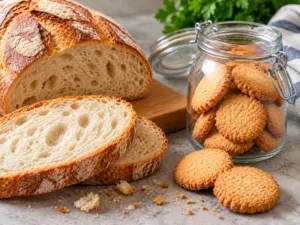
In Sardinian cuisine, it pairs readily with carasau bread, moderately aged pecorino cheese, fregola pasta with delicate sauces, and fish dishes. Very intense dishes, sharp cheeses, or rich braised meats might overpower its flavor.
Conservation and conclusion
The packaging should be kept away from light and heat sources. Pale lagers are at their best when fresh, so it's a good idea to check the date and avoid storing them unnecessarily.
Ichnusa is, in short, an industrial lager of Sardinian origin, with a simple, malty, and moderately bitter profile. Its connection to the island is a central part of its history, while a proper serving temperature and moderately intense food pairings allow you to appreciate its smoothness. Like any alcoholic beverage, it should be consumed in moderation.
The board

Brewer style

Alcoholic degrees

Service temperature

Recommended mug