DESCRIPTION
Livinus Blonde is a top-fermented Belgian pale ale, dedicated to Saint Livinus, a missionary and religious figure linked to the history of Flanders. Its profile recalls that of Belgian Blonde Ales: golden in color, a delicate malty base, fruity and spicy aromas, and a moderately dry finish.
However, the reference to a saint doesn't automatically qualify it as an abbey beer. This expression requires a recognizable link to a monastic institution or an abbey brand, while the religious name may also have historical, geographical, or simply commercial significance. Livinus Blonde should also not be confused with a Trappist beer, a designation subject to much more specific conditions.
Since the name can be associated with different productions and markets, the alcohol content, brewery, and composition must be verified on the packaging. The sensory description remains that of a smooth and aromatic Belgian blonde, designed for convivial enjoyment.
The Profile of Belgian Blonde Ales
Belgian blondes are top-fermented pale beers. Compared to lagers, they generally have a more pronounced yeast character, with notes of pear, apple, peach, spice, and flowers. The malty base remains light and recalls bread, cereal, and a slight sweetness.
Not all Belgian blondes have the same alcohol content. Some are light and immediate, others are more structured and closer to strong golden ales. The term "blonde" therefore primarily describes color and overall structure, not a specific alcohol content.
Livinus Blonde appears to be oriented toward balance. The malt supports the fruitiness, while hops and carbonation accompany a drier finish. This progression prevents the initial sweetness from becoming heavy.
A dedication to San Livino
Saint Livinus, or Livinus, is traditionally remembered as a missionary active in Flanders during the Early Middle Ages. His name recurs in the region's toponymy and religious culture, becoming a fitting reference to the identity of local products.
The dedication doesn't prove the recipe originates from a medieval monastery. Modern beers that evoke saints and abbeys often use historical elements to describe the region, but the production method and composition must be evaluated with contemporary information.
It is therefore more accurate to speak of a Belgian beer dedicated to Saint Livinus, avoiding attributing to it an unconfirmed monastic origin.
Appearance and foam
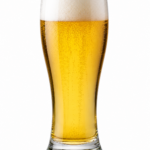
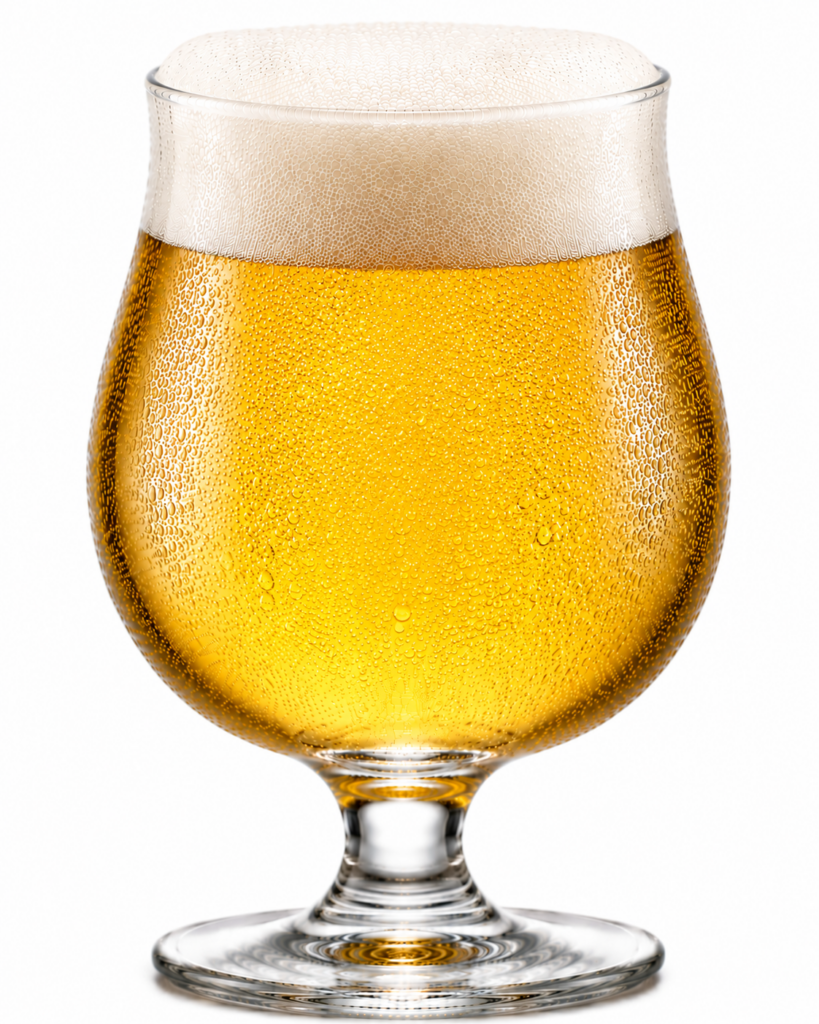
In the glass, Livinus Blonde generally appears golden, with straw-yellow or slightly amber highlights. Clarity may vary depending on filtration, temperature, and the possible presence of natural sediment.
The head is white, abundant, and creamy. The carbonation typical of many Belgian ales requires slow pouring: it's advisable to tilt the glass initially and gradually straighten it.
If there's yeast at the bottom, you can leave it in the bottle for a clearer drink. The sediment can also be poured off separately. It's not necessary to shake vigorously, as the pressure could cause excessive release.
Aromas of fruit and spices
Pear, apple, and yellow fruit emerge on the nose, accompanied by notes of light bread, cereals, and a subtle hint of honey. Yeast may add peppery, floral, and herbaceous nuances.
These aromas don't necessarily indicate added ingredients. Pear, apple, honey, and spices are often descriptors produced by malts and fermentation. Only the label can confirm the use of honey, fruit, or flavorings.
As the temperature rises, peach, apricot, floral notes, and a slight alcoholic note may emerge. A bottle served too cold would appear more neutral and dominated by carbonation.
The bouquet should remain delicate and harmonious. A strong sensation of solvent, oxidation, or pungent alcohol is not part of the ideal profile of a balanced blonde.
Taste, body and finish
On the palate, the entry is smooth, with a restrained malty sweetness. Bread, cereal, and honey form the first part of the sip, followed by pale fruit and spices.
The body can be light or medium, while the carbonation makes for a lively drink. Hop bitterness generally remains moderate and increases toward the finish, helping to limit the lingering sweetness.
The finish tends toward dryness, with floral, herbaceous, and slightly peppery aftertaste. However, the smoothness doesn't allow for a clear indication of the alcohol content: the alcohol content should be checked on the packaging and shouldn't be underestimated.
The term "refreshing" describes the sensation produced by carbonation and a dry finish. The beer contains alcohol and is not intended for rehydration.
Recommended temperature and glass
A serving temperature between 7 and 9°C (45 and 48°F) helps maintain freshness without masking the yeast's profile. If the available version has a high alcohol content, it can be served toward the higher end of the range.
The most suitable glass is a tulip glass or a Belgian beer glass. These shapes provide space for the head and concentrate the aromas.
The glass must be clean and rinsed thoroughly. Freezing is not recommended, as excessive cold reduces aromas and can introduce foreign odors.
Food pairings
Livinus Blonde pairs well with chicken, turkey, pork, and lightly spiced white meats. The fruity notes pair well with citrus sauces, while the dry finish balances moderately fatty dishes.
It's also suitable for fish, shellfish, fried foods, savory pies, and vegetables. Fresh or medium-aged cheeses are recommended, including mild bloom-rind products.
Desserts include apricot tarts, almond biscuits, and lightly sweetened citrus desserts. A very rich dessert would risk overpowering the yeast's nuances.
Conservation and conclusion
The bottle should be stored upright, away from light and temperature changes. It's best to respect the shelf life indicated by the manufacturer, especially to preserve the floral and fruity notes.
Livinus Blonde offers a golden, smooth, and delicately spiced profile, consistent with the tradition of Belgian Blonde Ales. The reference to Saint Livinus enriches the beer's identity, but it doesn't necessarily certify its abbey origins. Serving it at the right temperature, in a suitable glass, and in moderation allows you to fully appreciate its balance and drinkability.
The board

Brewer style

Alcoholic degrees

Service temperature

Recommended mug