DESCRIPTION
Pilsner Urquell is the beer that gave rise to the Pilsner style in 1842, profoundly transforming the European brewing landscape. It was created in Plzeň, in what is now the Czech Republic, from the combination of low-temperature fermentation, a very pale malt, and the use of Saaz hops. The result was a golden, clear, and brilliant lager, very different from the dark beers popular at the time.
Calling it the mother of all bottom-fermented pale beers would be too general, as lagers and relatively pale beers already existed. However, it is correct to consider it the model from which the modern Pilsner family developed and which has inspired numerous lagers produced around the world.
The birth of the Pilsner style
In the 19th century, the residents of Plzeň were dissatisfied with the uneven quality of local beers. The city therefore decided to build a new brewery and entrusted its production to Bavarian master brewer Josef Groll. In 1842, Groll produced a surprisingly golden and clear beer, characterized by a soft malty base and a more pronounced bitterness than many beverages of the time.
The name Pilsner derives from Plzeň, called Pilsen in German. The term "Urquell" can be translated as "original source": Pilsner Urquell therefore indicates Pilsner from its original source. Even today, the beer is brewed in Plzeň, maintaining the fundamental principles that have shaped its identity.
The classic reference has an alcohol content of 4,4% by volume. It is therefore relatively moderate compared to many Belgian beers or top-fermented specialties, but has a more structured flavor profile than many international lagers.
The role of triple decoction
One of the most important features of Pilsner Urquell is the triple decoction method. During this process, a portion of the malt-water mixture is removed, heated, and then reintroduced into the main mass. The process is repeated three times and contributes to the development of color, structure, and aromatic depth.
It's also thanks to the decoction that this beer displays nuances of bread, toasted grain, and light caramel, while remaining a golden lager. These terms are sensory descriptors: they don't mean that bread, honey, or caramel are added to the recipe.
The profile also depends on the soft water from Pilsen, barley malt, and Saaz hops, a Czech variety prized for its fine, herbaceous, floral, and delicately spicy character. Fermentation is conducted with bottom-fermenting yeast, while temperature-controlled maturation helps achieve a clean, well-defined flavor.
Appearance and aromatic profile
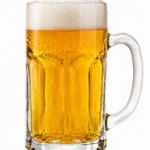
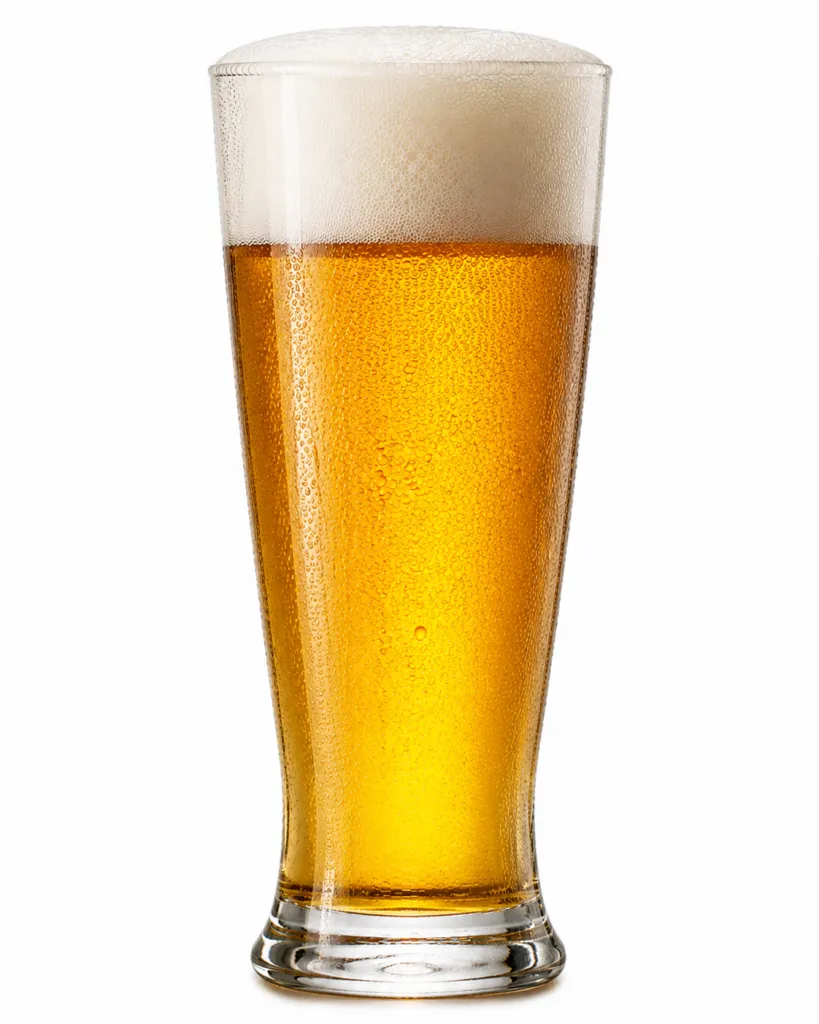
When poured correctly, Pilsner Urquell displays a deep golden color, sometimes tinged with amber. The head is white, dense, and creamy, especially when served on tap using the traditional Czech technique. Its persistence also depends on how clean the glass is: grease or detergent residue can quickly reduce the head's retention.
On the nose, notes of fresh bread, crust, biscuit, and cereal emerge, accompanied by herbal, floral, and slightly peppery notes. The aroma isn't as explosive as a modern IPA, but it's precise and recognizable. It's important not to serve it too cold, as too low a temperature tends to hide the malt and hop nuances.
Taste, body and finish
The sip opens with a noticeable malty softness, quickly followed by the bitterness of the Saaz. The sweetness doesn't make the beer cloying; rather, it serves to balance the hops and add roundness. The body can be described as medium-light, but it appears fuller than that of many highly attenuated industrial lagers.
The carbonation supports the freshness of the flavor without making the sip aggressive. The bitterness becomes more distinct and persistent on the finish, leaving a clean sensation along with hints of bread and cereal. This isn't a completely sharp or sweet Pilsner, but a beer built on the contrast between malty smoothness and a bitter finish.
Temperature, glass and pouring
A serving temperature between approximately 5 and 7°C allows you to appreciate its freshness and aromas. Serving it almost chilled can make it less expressive. The ideal glass is a Czech mug or a tall Pilsner glass, thoroughly cleaned and rinsed with cold water before serving.
In Czech tradition, there are several ways to serve draft beer. Hladinka is the classic pour, with a generous amount of beer and a thick layer of moist head. Šnyt uses less liquid and a larger amount of head, while Mlíko is composed almost entirely of creamy head and offers a smoother, sweeter taste. These techniques require a suitable setup and cannot be exactly reproduced by pouring from a bottle.
Unfiltered versions or those served directly from special tanks may be smoother and richer than the packaged product. To find out the exact characteristics of the package you're purchasing, it's always a good idea to check the label.
Food pairings
The balance of malt and bitterness makes Pilsner Urquell very versatile. It pairs well with sausages, roast pork, chicken, cutlets, medium-aged cheeses, and Czech dishes. The malty component evokes golden crusts and breading, while the hops help cleanse the palate of fatty foods.
It's also suitable for pizza, focaccia, fried fish, battered vegetables, and simple burgers. With spicy dishes, it offers a pleasantly refreshing flavor, although, as an alcoholic beverage, it doesn't replace water for hydration.
Conservation and conclusion
Pilsner Urquell should be stored upright, in a cool, dark place. Heat and light exposure can alter the aromas of hops, especially the aromas of the hops. It's not a beer designed for long aging: it's best consumed fresh, respecting the best-before date indicated on the package.
Its identity stems from the balance of malt, Saaz hops, bottom fermentation, and triple decoction. Served at the right temperature and in a clean glass, it demonstrates why the Pilsner created in Plzeň in 1842 remains a fundamental benchmark for understanding modern golden lagers.
The board

Brewer style

Alcoholic degrees

Service temperature

Recommended mug