DESCRIPTION
Red Stripe is a pale lager of Jamaican origin, recognizable by its white label with the distinctive red band and, more importantly, by its short, rounded bottle introduced in the 1970s. Its simple, moderately malty, and low-bitter profile is designed for immediate drinking, suitable for casual meals and warm climates. More than any particular aromatic complexity, this beer stands out for its strong connection built over time with Jamaican popular culture.
The classic version sold today generally has an alcohol content of 4,7% by volume. However, the country of production, packaging format, and some recipe details may vary depending on the destination market. For this reason, when purchasing Red Stripe in Europe or outside Jamaica, it's always a good idea to check the information on the packaging.
From the original ale to the modern lager
The brand's history begins with the Desnoes & Geddes company, founded in 1918 by Eugene Desnoes and Thomas Geddes. The first product bearing the Red Stripe name arrived in 1928, but it wasn't exactly the pale lager we know today: it was actually an ale with a different profile.
The golden lager recipe was developed in 1934 and gradually became the brand's primary identity. Another important step was in 1971, when the short, rounded-shouldered "stubby" bottle was introduced. This instantly recognizable container helped distinguish Red Stripe from the many international lagers sold in slimmer bottles.
Over the years, the company has undergone several ownership changes. Since 2015, Red Stripe has been part of the Heineken Group, while maintaining a commercial identity strongly tied to Jamaica. Production for some markets can also take place outside the island: the wording on the label allows you to verify where each bottle was actually produced.
What kind of beer is Red Stripe?
Red Stripe belongs to the family of bottom-fermented pale lagers. This method uses yeasts that are active at relatively low temperatures and includes a subsequent cold maturation phase. The expected result is a clean profile, in which the fermentation aromas remain discreet and leave room for the grains.
The stated recipe for the Jamaican version includes water, Pilsner malt, hops, and cassava starch. This last ingredient should not be confused with an added flavoring: it serves as a source of fermentable starch and helps keep the beer relatively light. Its presence also represents a concrete connection to local agriculture, thanks to sourcing programs developed with Jamaican growers.
Therefore, it's not a lager produced exclusively with barley malt. Since formulations and breweries can vary depending on the market, anyone wishing to know the ingredients of the version they're purchasing should refer to the specific label.
Appearance, foam and aroma
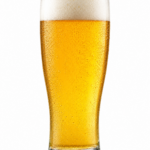
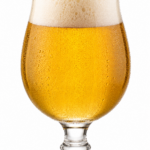
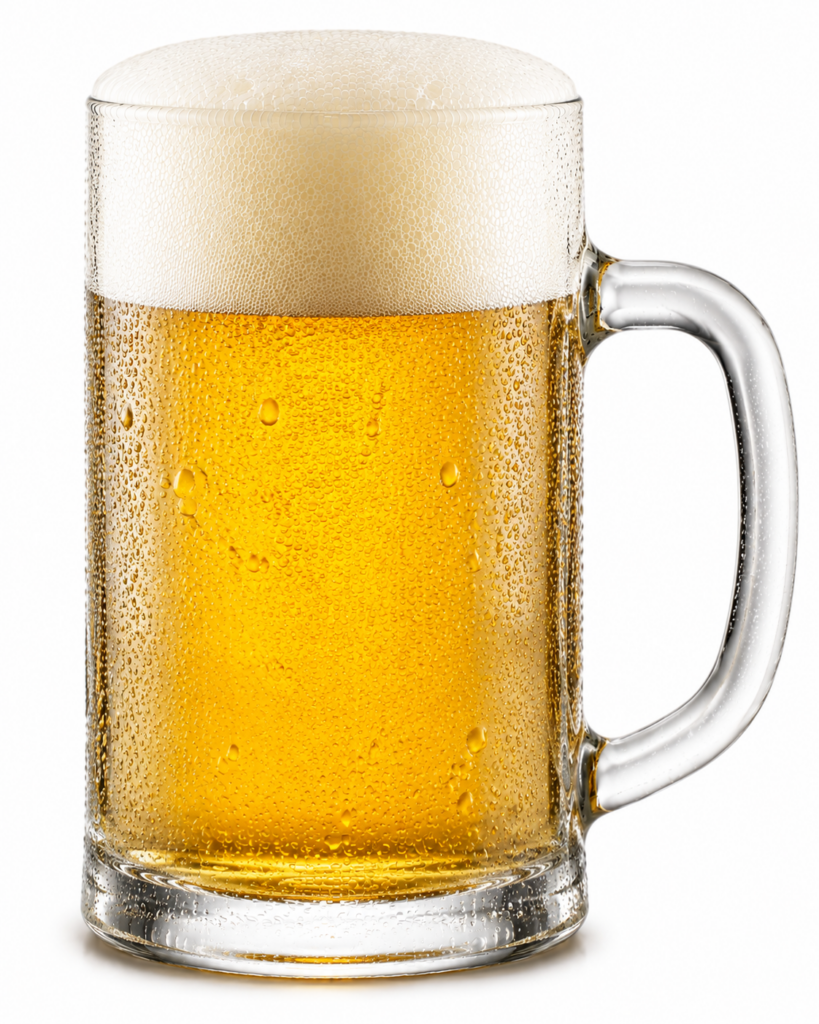
In the glass, Red Stripe generally appears a clear, golden yellow. The reflections may appear slightly deeper when viewed in a larger glass, but a true amber color shouldn't be expected. The head is white, fairly fine, and moderately persistent, consistent with a light lager intended to be consumed chilled.
The aromatic profile is restrained. Cereals, pale malt, breadcrumbs, and a slight sweetness are discernible. The hops add very delicate herbal or floral notes, without taking on the central role they would in a more bitter Pilsner.
Some bottles may exhibit a faint note reminiscent of caramel or butterscotch. A light nuance may be consistent with the beer's declared profile, while a strong sensation, accompanied by tired or cardboard-like aromas, may indicate suboptimal storage.
Taste, body and finish
The entry on the palate is smooth, with a subtle malty sweetness and grainy flavors. The body is light to medium-light, while the lively carbonation supports the drinkability and limits the perception of sweetness. The bitterness remains low, just enough to balance the malt without leaving a long hoppy lingering.
The finish is clean, short, and moderately dry. Red Stripe doesn't seek the intensity of an IPA, the depth of a stout, or the complexity of a bottle-conditioned beer. Its goal is to offer consistency and simplicity, qualities that are especially useful when paired with spicy dishes or enjoyed during a casual meal.
The refreshing sensation depends on the taste and serving temperature. Because it contains alcohol, Red Stripe shouldn't be considered a substitute for water for hydration, especially on very hot days.
How to serve it
A temperature between approximately 40 and 43°F (4 and 6°C) keeps the beer fresh without completely eliminating its delicate cereal notes. Serving it almost ice-cold would further diminish its aroma, while serving it too hot would further accentuate the sweetness.
It can be enjoyed in its signature bottle during more informal occasions, but a glass allows you to better appreciate its color, aroma, and head. A tumbler, a lager glass, or a simple, slightly flared goblet are suitable. Pour evenly, initially tilting the glass and straightening it toward the end to achieve a light head.
Pairings with cuisine
Red Stripe pairs well with many traditional Caribbean dishes. Its carbonation and light body work well with jerk chicken, spicy pork, fried fish, grilled shrimp, and cod patties. With goat or chicken curry, the beer temporarily tones down the spiciness without adding further flavor intensity.
It's also suitable for burgers, pizza, tacos, fried chicken, sandwiches, and grilled vegetables. With very sweet dishes or creamy desserts, however, it tends to be too dry and delicate. It's also not the best choice for particularly strong aged cheeses, which can easily overwhelm their flavor.
Conservation and final considerations
Red Stripe should be stored away from light, in a cool place, and free from constant temperature fluctuations. It's best consumed young, respecting the expiration date indicated on the package, because its balance depends on freshness and aromatic clarity.
It's a straightforward Jamaican lager, moderately malty and mildly bitter, recognizable by its rounded bottle and its long presence in the island's culture. Served chilled and paired with savory or spicy foods, it best expresses its simple, convivial character.
The board

Brewer style

Alcoholic degrees

Service temperature

Recommended mug