DESCRIPTION
Theresianer Premium Lager is a bottom-fermented Italian beer brewed in Nervesa della Battaglia, in the province of Treviso. With an alcohol content of 4,8%, it offers a delicate profile dominated by grains, bread crust, and a moderate malty sweetness. It's a lager designed to accompany meals and offer regular drinking, without resorting to particularly intense bitterness.
The initial description is generally consistent, but requires some clarification. The color declared by the producer is straw yellow, rather than deep gold, while the body is listed as medium. Even the finish shouldn't necessarily be interpreted as decidedly dry: the beer's personality is based primarily on smoothness, delicacy, and cleanliness.
An Italian lager of Central European inspiration
The Theresianer brand was founded in 2000 and takes its name from the Borgo Teresiano district of Trieste, which developed during the reign of Maria Theresa of Austria. This reference expresses the ideal connection with the Central European brewing tradition, even though modern production takes place at the Nervesa della Battaglia plant.
Theresianer Premium Lager is fermented at low temperatures and left to mature for a period appropriate to its style. The slow fermentation helps limit the more invasive yeast aromas, leaving room for the malt character and a discreet presence of hops.
The word "Premium" is a trademark and does not identify a distinct beer style. It does not, in itself, establish a specific strength, recipe, or legally defined quality level. From a technical standpoint, the beer has been described in various contexts as an International-style Lager and, on occasion, in the Helles category. The most conservative definition, therefore, remains that of a pale, malty, and moderately bitter lager.
Appearance and foam
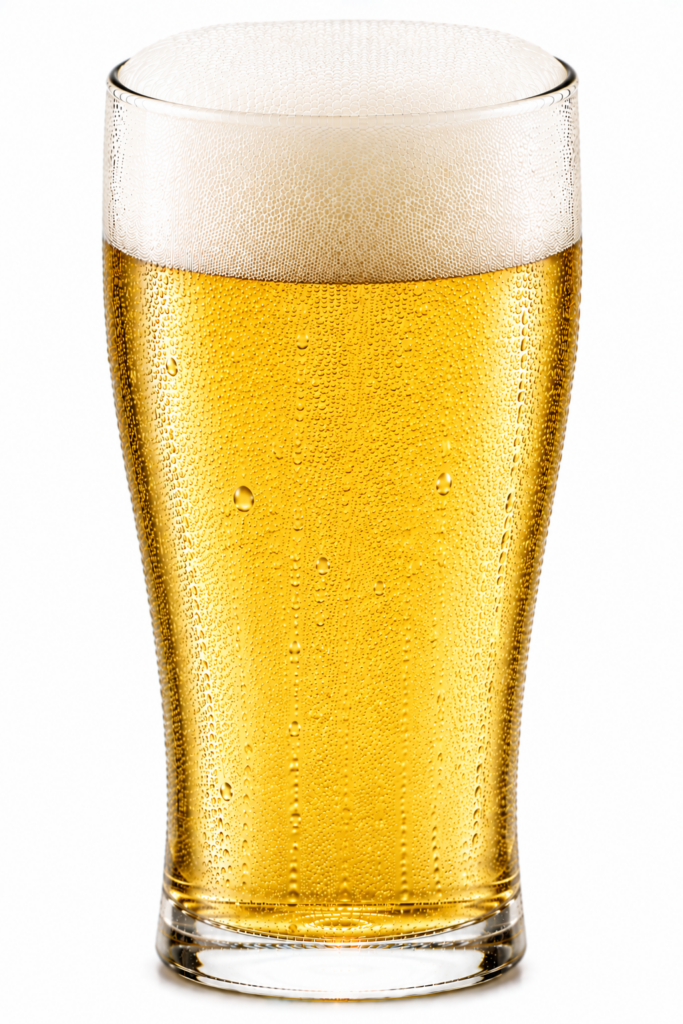
In the glass, the beer appears straw yellow, clear and brilliant. Its transparency allows you to easily observe the rising bubbles, while the pale hue hints at a measured aromatic profile.
The head is white, fine, and persistent. A proper pour should form a dense but not excessively voluminous head. The duration of the head also depends on the condition of the bottle, the temperature, and the cleanliness of the glass. Grease or detergent residue can quickly reduce it.
Carbonation adds liveliness and lightens the malt component. It shouldn't be aggressive, but present enough to keep the sip fresh and smooth.
Perfume and aromatic characteristics
The aroma is primarily reminiscent of cereals and bread crust. Light floral or herbaceous notes from the hops may appear, but they remain subdued by the malty base. The yeast contributes discreetly, consistent with a low-temperature fermentation.
Bready notes don't mean bread was added to the recipe. It's a sensory descriptor associated with the barley malts and the transformations that occur during production. The same goes for any hints of honey or flowers.
The manufacturer declares that the barley malt and hops are of European origin. This information refers to the provenance of the raw materials, but it alone isn't enough to determine the flavor: the varieties used, water, yeast, temperatures, and length of maturation all contribute to the final result.
Taste, body and finish
On the palate, Theresianer Premium Lager is sweet, smooth, and delicate. The sweetness shouldn't be interpreted as that of a sugary drink, but as a malty sensation reminiscent of cereal and bread crust. Its medium body gives it a slightly more substantial texture than very light lagers.
Hops play a key role in balancing the taste. Bitterness remains moderate and can become more pronounced toward the finish, but it doesn't dominate the taste. The finish is clean, moderately dry, and lacks the lingering bitterness that characterizes a more hoppy pilsner.
This structure makes the beer easy to pair, but the definition of "thirst-quenching" only refers to the sensation of freshness. Since it's an alcoholic beverage, it doesn't replace water for proper hydration.
Temperature, glass and pouring
The recommended serving temperature is between 6 and 8°C. Serving it too cold will make the cereal and bread notes less recognizable; serving it too hot could accentuate the malty softness and reduce the sensation of freshness.
A slender lager glass, a simple goblet, or a light mug are suitable. A narrow shape enhances clarity and bubbles, while a moderately wide opening allows for the aroma to be perceived.
To pour, tilt the glass initially and pour along the side. At the end, straighten it, directing the flow toward the center to form a regular head. It's best to avoid shaking the bottle or pouring too forcefully.
Food pairings
Theresianer Premium Lager pairs particularly well with Margherita pizza and pasta dishes with tomato sauce. The malty note complements the natural sweetness of the tomato, while carbonation and a slight bitterness help balance the mozzarella, oil, and seasonings.
It also pairs well with Caprese salad, tomato bruschetta, focaccia, grilled vegetables, and grain salads. As a main course, it pairs well with grilled chicken, lightly spiced white meats, fried fish, and omelettes.
Fresh, delicate cheeses, such as mozzarella, stracchino, and crescenza, complement the beer's flavor profile. Very mature cheeses, game, or intensely sweet desserts are less suitable, as they risk overpowering the beer's aromas.
Food container
The bottle should be stored upright, in a cool, dark place. It's important to avoid sudden temperature changes and prolonged exposure to heat, which can compromise freshness and favor oxidative notes.
Like many pale lagers, it's not intended for aging. It's best consumed within the best-before date indicated on the package, when the grain, hop, and fermentation aromas are most distinct.
In conclusion
Theresianer Premium Lager is a pale lager with a 4,8% ABV, characterized by a straw-yellow color, medium body, and a smooth flavor. Served between 6 and 8°C, it pairs well with pizza, tomato-based dishes, vegetables, white meats, and fresh cheeses, maintaining a balanced presence without overpowering the food.
The board

Brewer style

Alcoholic degrees

Service temperature

Recommended mug