DESCRIPTION
Wieninger is the name of a Bavarian brewery, not a single beer. Privatbrauerei MC Wieninger in Teisendorf produces numerous varieties: Helles, Pils, Export, Weissbier, Zwickl, Kellerbier, Bock, and seasonal specialties. The description of a golden, clear, delicately malty, and easy-drinking beer particularly fits the Teisendorfer Hell, one of the most traditional brews in the range.
Taking this beer as a reference, we can consider it a bottom-fermented Bavarian Helles with an alcohol content of 5%, an original wort gravity of 11,6 degrees Plato, and a declared bitterness of 18 IBUs. However, this data should not automatically be applied to every bottle bearing the Wieninger brand: the full name of the reference indicated on the label remains essential.
A brewery rooted in Teisendorf
The local brewing tradition spans three centuries, but its connection with the Wieninger family began in 1813, when Philipp Wieninger purchased a brewery in Teisendorf. Since then, the business has continued through seven generations of the family.
The headquarters is located in Rupertiwinkel, a region in Upper Bavaria near the Austrian border. This location sometimes contributes to confusion about the brand's origins, but Wieninger is a German and Bavarian brewery, not an Austrian one.
The brewer maintains some traditional methods, including the use of in-house selected yeasts, fermentation in open vats for various beers, and maturation periods designed according to the reference. The beers are not pasteurized and, where appropriate, undergo gentle filtration.
The reference closest to the description
Teisendorfer Hell is presented by the brewery as a traditional bottom-fermented Vollbier. In Germany, "Vollbier" is a legal classification based on the original gravity of the wort and does not simply mean "full-bodied beer." In the glass, it remains a smooth and easy-drinking Helles, with a medium-light body.
It shouldn't be confused with Wieninger Helles Lagerbier, a different specialty with a 5,2% ABV, unfiltered and cold-hopped. The latter can appear hazy and offers a slightly more pronounced hop presence. Teisendorfer Hell, on the other hand, is bright, more traditional, and more focused on the delicacy of the malt.
The range also includes Ruperti Pils, which reaches 36 IBUs and features a much more pronounced bitterness. Defining every Wieninger as a pilsner or attributing it a single sensory profile would therefore be imprecise.
Raw materials and character of the beer
Teisendorfer Hell is brewed with Wieninger brewing water, pale barley malt, Hallertauer Perle aromatic hops and a selected strain of bottom-fermenting yeast.
Barley malt provides the sugars needed for fermentation and creates the light sensations of bread, cereal, and malty sweetness. Hallertauer Perle hops contribute balance with a moderate bitterness and herbal, floral, and slightly spicy nuances.
References to fresh bread, flowers, or honey are sensory descriptors and do not indicate that these ingredients were added to the recipe. Barley malt, however, does contain gluten, which should be considered if you have celiac disease or specific dietary needs.
Appearance and foam
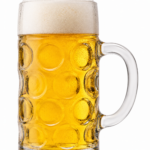
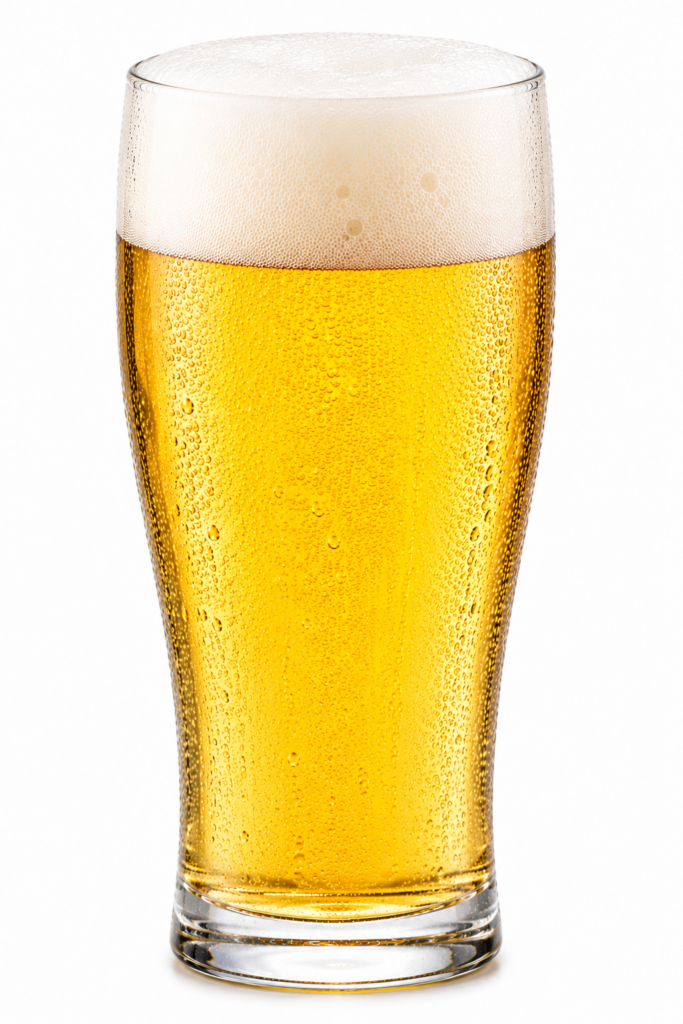
In the glass, Teisendorfer Hell displays a bright straw yellow color with light golden highlights. Its clarity is brilliant, allowing you to easily observe the bubbles rising to the surface.
The head is white, fine, and generally firm. It can last a long time, but it depends on the temperature, freshness, and cleanliness of the glass. Traces of grease, detergent, or rinse aid can quickly shorten its lifespan.
A regular head doesn't just have an aesthetic function: it protects the beer from immediate contact with air and promotes a gradual release of aromas.
Scent and taste
The aromatic profile is delicate. The nose is dominated by pale malt, breadcrumbs, and cereal, accompanied by light floral and herbaceous notes. The fruitiness is very limited and isn't a central feature of the beer.
On the palate, the entry is smooth and slightly malty. The sweetness remains subtle, while the hops introduce a moderate bitterness that becomes more evident towards the end of the sip. With 18 IBUs, the beer doesn't seek the sharp bitterness of a German pilsner, but rather an accessible balance between malt and hops.
The body is medium-light, and the carbonation supports the freshness without being pungent. The finish is clean, moderately dry, and slightly herbaceous. The ease of drinking comes from the lack of excess, not from a lack of character.
Calling it "thirst-quenching" describes a taste sensation. Since it's an alcoholic beer, it shouldn't be used in place of water for hydration.
Temperature, glass and pouring
A serving temperature of 7 to 9°C is commonly recommended for Teisendorfer Hell. Serving it too cold would tone down the delicate malt and hop notes; serving it too high would instead make the grain's sweetness more evident.
You can use a Bavarian mug, a lager glass, or a column glass. The mug helps maintain the temperature and recalls traditional serving, while the slender glass enhances clarity, carbonation, and head.
Pouring should begin with the glass tilted. In the second part, gradually straighten the glass and direct the flow toward the center, creating a proportionate crown of foam.
Food pairings
Teisendorfer Hell pairs well with classic Bavarian Brotzeit, with bread, cured meats, cucumbers, radishes, and cheeses. Its delicate flavor pairs well with sausages, roast chicken, schnitzel, and mildly spiced roasts.
The producer also recommends pairings with smoked meats, stews, and savory cheeses. In these pairings, the carbonation helps cleanse the palate, while the malty base pairs well with bread, meat, and toasted notes.
It can also be served with omelettes, savory pies, pasta with simple sauces, and baked vegetables. Very spicy or intensely smoky dishes, however, risk overshadowing its delicate flavor.
Food container
Since the beer is unpasteurized, it's important to store it in a dark, upright position, and in a cool, stable environment. It's not intended for aging: over time, it loses its freshness, hop definition, and aromatic clarity. It's therefore best to consume it within the best-before date indicated on the package.
In conclusion
The title Wieninger identifies an entire brewery; the proposed description fits Teisendorfer Hell especially well. This 5% ABV Bavarian Helles blends pale malt, Hallertauer Perle hops, and a moderate bitterness of 18 IBUs. Served between 45 and 48°F (7 and 9°C), it pairs well with Brotzeit, chicken, roasts, and savory cheeses.
The board

Brewer style

Alcoholic degrees

Service temperature

Recommended mug