DESCRIPTION
XX Bitter is a top-fermented Belgian pale ale produced by Brouwerij De Ranke in Dottignies, in the province of Hainaut. Its identity is built around a strong and persistent bitterness, achieved through the use of Brewers Gold and Hallertau Mittelfrüh hops. The brewer currently declares an alcohol content of 6% and a bitterness level between 60 and 65 IBUs.
Some older publications may list an ABV of 6,2%, but the brewery's current figure is 6%. As always, the specific bottle label remains the most reliable reference, especially when purchasing packages from different batches or markets.
A beer that goes against the grain
The first batch of XX Bitter dates back to 1997, the year in which Nino Bacelle and Guido Devos combined their experience and resources to create Brouwerij De Ranke. The brewery considers this beer a fundamental milestone in its history.
In the late 1990s, many Belgian beers on the market focused primarily on smoothness, sweetness, and high alcohol content. XX Bitter followed a different path: relatively light body, a dry finish, and a hop content that allowed the bitterness to take center stage.
For this reason, it's often considered one of the beers that anticipated the revival of interest in intensely hoppy profiles in Belgium. However, it's difficult to attribute an absolute primacy to it. It's more accurate to describe it as a pioneering beer in the modern Belgian scene, born before the widespread European diffusion of craft IPAs.
Belgian Bitter or IPA?
XX Bitter is sometimes classified as a Belgian IPA, but the brewery simply describes it as their most bitter top-fermented beer. The more useful term is Belgian Bitter or a heavily hopped Belgian blonde ale.
Unlike many contemporary IPAs, it doesn't rely on explosive aromas of mango, passion fruit, or sweet citrus. It uses European and Belgian varieties that primarily express herbal, floral, earthy, and spicy notes. Bitterness plays a more prominent role than tropical aroma.
It should not be confused with XXX Bitter, another De Ranke beer made with 50% more hops and featuring a declared value of 70-75 IBUs. XX Bitter is available permanently in 33 and 75 centiliter formats, as well as in kegs, while XXX Bitter is a separate variant.
The use of hop flowers
De Ranke uses whole hop flowers rather than extracts for its beers. The brewery sources its hops from the Poperinge region of Belgium and stores them cold to preserve their characteristics throughout the year.
Brewers Gold and Hallertau Mittelfrüh are used for XX Bitter. The former contributes to the bitter structure and can add herbal, resinous, and fruity nuances; the latter is known primarily for its floral, spicy, and delicately herbaceous profile.
These indications do not mean that ornamental flowers, resin, citrus fruits, or spices are added to the beer. They are sensory descriptors associated with hop varieties and fermentation. The final character also arises from the interaction between malt and yeast.
Appearance and foam
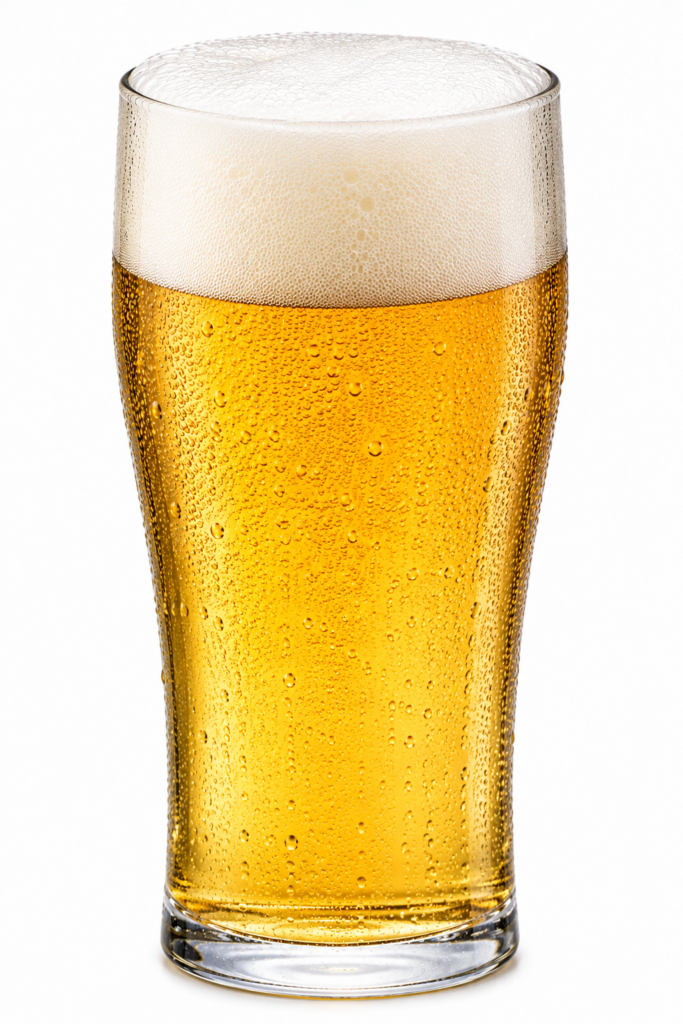
XX Bitter has a straw-blond color, with a declared value of approximately 10 EBC. The beer is unfiltered, so it may be slightly cloudy or hazy. Deposit in the bottle is normal and does not necessarily indicate a defect.
The head is white, abundant, and generally persistent, favored by secondary fermentation in the bottle. During this process, small amounts of yeast and sugar are added before bottling; the subsequent fermentation naturally releases carbon dioxide and contributes to a fine bubble.
The retention of the foam also depends on the cleanliness of the glass. Traces of grease, rinse aid, or detergent can quickly reduce its stability and alter the aroma perception.
Aroma and aromatic character
On the nose, the hops are immediately recognizable. Hints of cut grass, hay, flowers, citrus zest, and light resinous nuances emerge. Yeast can add peppery, fruity, and slightly rustic notes.
The malty base remains discreet, with hints of light bread, cereal, and bread crust. Its purpose isn't to compete with the hops, but to provide the necessary support to keep the bitterness from becoming completely unbalanced.
A very young bottle tends to display more herbaceous and floral vivacity. Over time, the hop profile can lose its brilliance, leaving more room for malt, yeast, and more evolved aromas.
Taste, body and finish
The entry on the palate is dry and clean, with a brief malty softness that's quickly joined by bitterness. The body is medium and not particularly heavy: the description of a "full-bodied" beer should therefore be understood as a richness of flavor, not a dense or sweet consistency.
The lively carbonation makes the sip taut and complements the hoppy notes. The mid-palate reveals nuances of grain, herbs, pepper, and grapefruit zest. The finish is long, dry, and distinctly bitter, with a persistence that may surprise those accustomed to softer Belgian blondes.
A value of 60-65 IBU indicates a significant amount of bitter substances, but it doesn't describe the perceived sensation in itself. Body, residual sweetness, temperature, and carbonation influence the result. In XX Bitter, the dryness accentuates the sharpness of the bitterness.
Temperature, glass and pouring
The most common commercial recommendations suggest serving between 6 and 8°C. Too low a temperature would reduce the hop aromas, while an excessively warm beer could make the bitterness appear harsher.
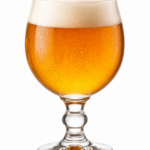
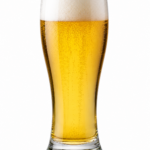
A tulip glass or a Belgian blonde glass helps concentrate the aromas and support the head. The bottle should be stored upright and poured slowly. Those who prefer a clearer appearance can leave the sediment at the bottom; those who prefer a stronger yeast presence can add a small amount to the glass.
Food pairings
The strong bitterness makes XX Bitter suitable for fatty and savory dishes. It works well with roast chicken, pork, burgers, fried fish, and battered vegetables. The carbonation and dry finish help cleanse the palate.
It pairs well with aged cheeses, Gouda, cheddar, and bold goat cheeses. It's also interesting with mussels, chips, and other traditional Belgian dishes.
With very spicy dishes, bitterness can increase the burning sensation, while already very bitter ingredients can create an overly harsh pairing. In these cases, it's best to choose savory, fatty, or slightly sweet flavors that offer contrast.
Food container
XX Bitter should be stored in the dark, upright, and at a cool, stable temperature. Refermentation allows for evolution over time, but the hop character is best appreciated when the beer is relatively young. A long rest can reduce floral and herbaceous notes, making the profile softer but less distinctive.
In conclusion
XX Bitter is a 6% Belgian blonde ale created in 1997 and featuring 60-65 IBUs. Brewers Gold and Hallertau Mittelfrüh create a persistent, herbaceous bitterness, supported by a dry malty base. Served between 6 and 8°C, it is particularly suited to fried foods, roast meats, and aged cheeses.
The board

Brewer style

Alcoholic degrees

Service temperature

Recommended mug