DESCRIPTION
Achel Brune Extra is the name given to one of the more full-bodied dark beers produced at De Achelse Kluis in Belgian Limburg. Also known as Achel Extra Bruin, it has an alcohol content of 9,5% and was primarily available in 75cl bottles. In the more recent range, its successor is referred to as Achel Superior Dark.
The title thus identifies a historical reference, still found through old bottles and some catalogs, but it doesn't necessarily coincide with the current name. The definition of Trappist beer also needs updating: Achel has significant monastic origins, but the bottles produced today can no longer be marketed as authentic Trappist.
Why Achel is no longer a Trappist beer
Modern Achel production was relaunched in 1998 at the Abbey of St. Benedict, known as Achelse Kluis, with the support of the Trappist communities of Westmalle and Rochefort. For several years, Achel beers bore the Authentic Trappist Product label, reserved for products brewed according to specific criteria within or near a Trappist monastery.
In 2021, the last monks left the abbey and moved to Westmalle. With the loss of resident monastic supervision, the beers lost the right to display the hexagonal Authentic Trappist Product mark. For a short time, the connection with Westmalle allowed for broader Trappist continuity, albeit without the seal on the packaging.
The situation changed definitively in 2023, when the complex and brewery were sold to a private entrepreneur. From that moment on, Achel could no longer be called a Trappist beer. Production continued at the ancient abbey site, but under a new commercial identity.
A historic bottle of Achel Brune Extra can legitimately bear the old Trappist brand if it was produced when the certification was still valid. However, this requirement applies to that specific bottle and cannot be extended to current production.
From the name Extra Bruin to Superior Dark
"Bruin" means "brown" in Dutch, while "Brune" is the corresponding French form. The names Achel Brune Extra and Achel Extra Bruin therefore refer to the same dark 9,5% ABV variety, intended primarily for large bottles.
The most recent product is marketed as Achel Superior Dark and is often referred to as the successor to Extra Bruin. The ABV remains at 9,5%, and the profile continues to be that of a strong Belgian dark ale, frequently compared to the quadruple style. When purchasing a bottle, it's a good idea to check the name, date, and manufacturer to determine whether it's the historic version or a later one.
The word "Extra" doesn't indicate a specific amount of malt or a universal legal classification. It primarily communicates the higher intensity of this beer compared to lower-alcohol Achel Bruins.
Appearance and foam
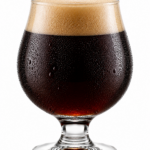
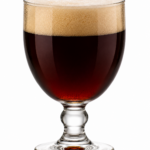
In the glass, Achel Brune Extra displays a deep brown color, with copper, mahogany, or ruby highlights visible against the light. The beer may show a slight haze and sediment on the bottom, especially in refermented bottles or those stored for a long time.
The head tends toward beige or light hazelnut. It can develop abundantly and take on a creamy consistency, but persistence varies depending on temperature, storage, and cleanliness of the glass. High alcohol content can gradually reduce its stability.
Before pouring, it's helpful to keep the bottle upright. This way, the sediment collects on the bottom, and you can decide whether to pour only the clearest part or add a small amount of yeast to the second glass.
Aromatic profile
Malt dominates the bouquet, with notes of caramel, toffee, dark bread, and browned sugar. Fermentation can produce hints of plum, raisin, fig, cherry, and baked apple, accompanied by spicy nuances and a hint of vanilla.
As the temperature rises, aromas of cocoa, dried fruit, or molasses may emerge. These terms describe what is perceived and do not automatically indicate the addition of the corresponding ingredients. In particular, a vanilla or chocolate aroma can derive from malt, yeast, and the aging of the beer.
The alcohol is noticeable on the nose, but in a well-stored bottle it should integrate with the malt profile rather than appear pungent or solvent-like.
Taste, body and finish
On the palate, Achel Brune Extra is smooth, rounded, and full-bodied. The entry features a distinct malty sweetness, with hints of caramel and dark fruit. The carbonation lightens the texture and adds liveliness to an otherwise very rich structure.
The 9,5% alcohol content produces a progressive warmth, particularly noticeable when the beer is in the glass for a long time. The finish is less sweet than the initial impression suggests: a slight bitterness and a delicate toasted sensation dry the palate, leaving a lingering fruit, malt, and spice finish.
Despite its smoothness, it's a beer to be enjoyed slowly and in moderation. The 75cl format is ideal for sharing, especially during a meal.
Service and pairings
A serving temperature between 10 and 12°C (50 and 54°F) allows you to appreciate the aromas and structure without overemphasizing the alcohol. The most suitable glass is a tulip, balloon, or abbey beer glass, capable of capturing the bouquet and leaving room for the head.
At the table, it pairs well with braised meats, stews, game, duck, and meats with light sauces. It pairs well with aged or blue cheeses, as well as dishes with mushrooms, chestnuts, and caramelized onions. At the end of a meal, it pairs well with lightly sweetened desserts such as dark chocolate, figs, walnuts, or plums.
Conservation and conclusion
The bottle should be stored upright, in the dark, and at a stable temperature. The alcohol content allows for some development, but it doesn't guarantee indefinite improvement. If using an older Trappist bottle, check the seal, for leaks, and for storage conditions before opening.
Achel Brune Extra is a historic 9,5% ABV beer, now known as Achel Superior Dark. It remains a strong, malty, fruity, and hearty dark ale, but its current production no longer qualifies it as a Trappist. Serve at around 11°C and pair with structured food pairings to best showcase its character.
The board

Brewer style

Alcoholic degrees

Service temperature

Recommended mug