DESCRIPTION
Celebrator Doppelbock is a dark, strong lager brewed by Privatbrauerei Ayinger, a Bavarian brewery in Aying, near Munich. It's one of the most well-known interpretations of the Doppelbock style and is distinguished by a rich malt, dark bread, caramel, and dried fruit profile, supported by a full body and a warming finish.
Calling it one of the best Doppelbocks is inevitably a subjective assessment. However, it's fair to consider it an important benchmark for the style, appreciated for its balance of malty intensity, controlled sweetness, and clean fermentation.
Celebrator is also easily recognizable by the small goat-shaped pendant often attached to the neck of the bottle. The animal harks back to the German word "Bock," which also means goat and has over time become the visual symbol of this family of beers.
What is a Doppelbock?
Doppelbock is a strong lager that originated in Bavaria as a richer version of bock. The term "doppel" means "double," but it doesn't mean the beer contains exactly twice the malt or alcohol. Rather, it conveys greater concentration, a fuller body, and a generally higher alcohol content.
Traditional Doppelbocks put malt at the center. Bread, crust, caramel, and dark fruit are the dominant aromas, while the hops remain subtle. Low-temperature fermentation helps maintain a clean profile, avoiding excessive fruity aromas produced by the yeast.
Many beers of this style end with the suffix "-ator," a custom inspired by the historic Salvator. Celebrator echoes this tradition in its name, emphasizing its membership in the Doppelbock family.
Appearance and foam
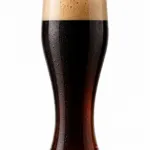
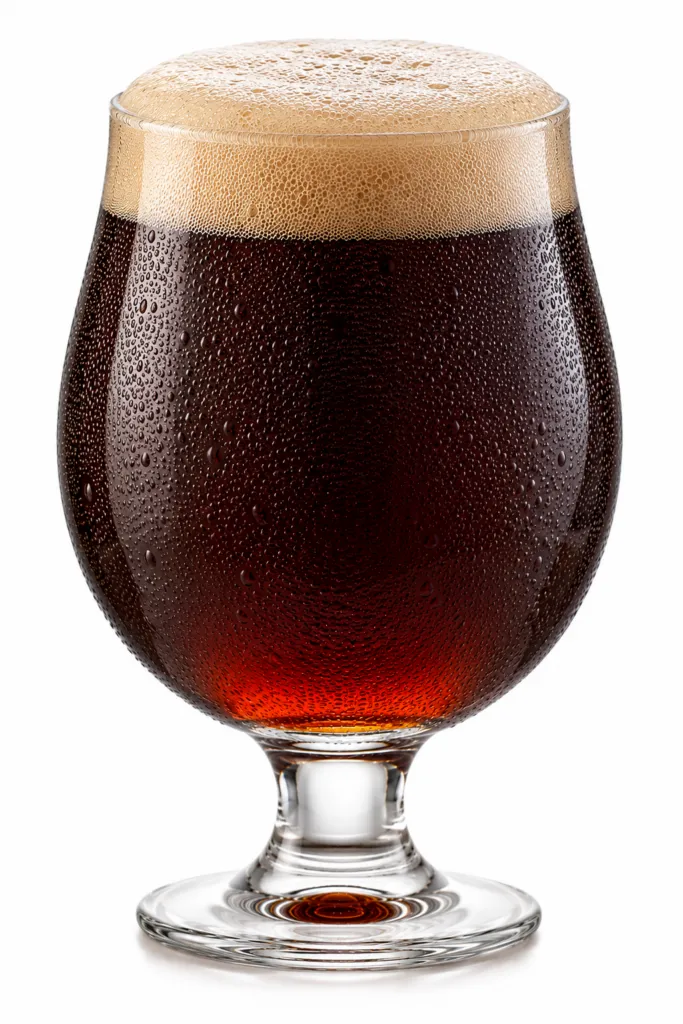
In the Celebrator glass, it appears very dark brown, with mahogany and ruby reflections visible especially when held up to the light. The color may appear almost black, but it retains a warm glow along the edges.
The head is beige, light hazelnut, or cappuccino-colored. It forms with a creamy consistency and can remain persistent, leaving light traces on the sides of the glass.
When pouring, it's best to tilt the glass, pour slowly along the side, and then straighten it at the end. The glass should be clean and free of grease or detergent, which would quickly compromise the foam and aromas.
Aromas of malt, bread and dark fruit
On the nose, notes of black bread, crust, biscuit, and caramel emerge. The fruity component may recall plums, raisins, dates, or dried figs. Hazelnut, cocoa, and a slight hint of licorice may also appear.
Coffee and chocolate are possible descriptors, but they shouldn't dominate like in a heavily roasted stout. In a classic Doppelbock, the depth comes primarily from the malts, rich in bready and caramel notes, without any aggressive burnt, ashy, or over-roasted sensations.
These aromas don't necessarily indicate the addition of fruit, cocoa, or coffee. They arise primarily from the selection of malts and the production process.
The hops remain in the background, with light herbal or floral nuances. Their role is primarily to balance the sweetness and contribute to the clean finish.
Taste, body and finish
On the palate, the entry is soft and malty. Dark bread, caramel, and biscuit open the mouthfeel, followed by plum, dried fruit, and a subtle hint of cocoa. The body is full, but the beer shouldn't be syrupy.
Moderate carbonation provides ample liveliness. The sweetness remains evident in the middle, but is tempered by a progressive dryness and the bitterness of the hops.
The finish is long, warm, and malty. Bread, caramel, and dark fruit linger on the palate, accompanied by an elegant, subtle bitterness. The alcohol should be well-integrated, without producing a pungent impression.
Celebrator is powerful, especially for its concentration and richness, but it's not among the extreme beers in terms of alcohol content. Its smoothness can, however, make the alcohol less noticeable, so it's best to sip slowly.
Recommended temperature and glass
A serving temperature between 9 and 11°C (48 and 52°F) enhances the malt and fruit aromas. Serving it chilled would reduce the profile to a generic sweetness, while serving it too high would accentuate the alcoholic heat.
A tulip glass is a suitable choice because it concentrates the aromas and provides space for the foam. A smaller Bavarian mug can also be used, as long as it isn't chilled in the freezer.
Food pairings
Celebrator Doppelbock pairs well with braised meats, roasts, game, and pork. Its notes of bread and caramel complement the seared surfaces, while its structure supports rich sauces and flavorful dishes.
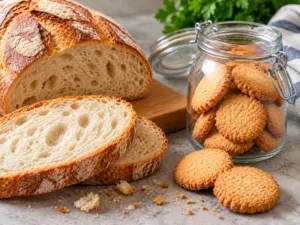
It pairs well with aged, washed-rind, or slightly blue cheeses. It can also be served with mushrooms, chestnuts, caramelized onions, rye bread, and dried fruit dishes.
At the end of a meal, it pairs well with strudel, walnut cakes, plum desserts, and mild dark chocolate. Very sugary desserts, however, would risk making the combination too heavy.
Conservation and conclusion
The bottle should be stored upright, away from light and temperature changes. The structure can allow for some evolution, but aging does not automatically guarantee improvement. Over time, the fresh notes may diminish, giving way to dried fruit and slight oxidative sensations.
Celebrator Doppelbock is a strong Bavarian lager built on the richness of malt. Dark bread, caramel, plum, and a warm finish define its character, while the goat pendant visually recalls the bock tradition. Proper temperature and slow tasting allow you to fully appreciate its balance and depth.
The board

Brewer style

Alcoholic degrees

Service temperature

Recommended mug