DESCRIPTION
Erdinger Pikantus is a dark wheat beer produced by Erdinger Weissbräu, a historic Bavarian brewery specializing in weissbier. It belongs to the weizenbock family, beers that combine the fruity, spicy character of hefeweizen with the malty structure and higher alcohol content of bock beers.
Compared to a standard pale weissbier, Pikantus offers a more intense, dark, and enveloping taste. Typical yeast aromas, such as banana and cloves, intertwine with toasted malt, dark bread, caramel, and ripe fruit. The alcohol content is approximately 7,3% by volume, although it's advisable to check the individual packaging for details.
The smoothness can make the alcohol less noticeable at first. Erdinger Pikantus should therefore be enjoyed slowly, allowing it time to develop in the glass and drinking in moderation.
What is a Weizenbock?
Weizenbock is born from the fusion of two important German brewing traditions. From weissbier, it inherits the use of wheat malt, top-fermentation, and the aromatic profile of yeast. From bock, it inherits its more robust body, malty richness, and greater alcohol intensity.
Not all weizenbocks are dark, but Erdinger Pikantus is a dunkel version, characterized by the use of malts capable of developing brown hues and deeper aromas. Roasts should still be balanced: this isn't a stout, so coffee and cocoa shouldn't necessarily dominate the taste.
Wheat contributes smoothness, abundant foam, and texture. Yeast, on the other hand, generates the characteristic notes of banana, spice, and ripe fruit. These aromas arise from fermentation and do not necessarily indicate that bananas, cloves, or plums were added to the recipe.
Appearance and visual characteristics
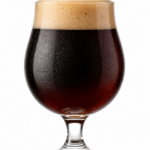
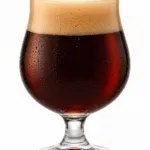
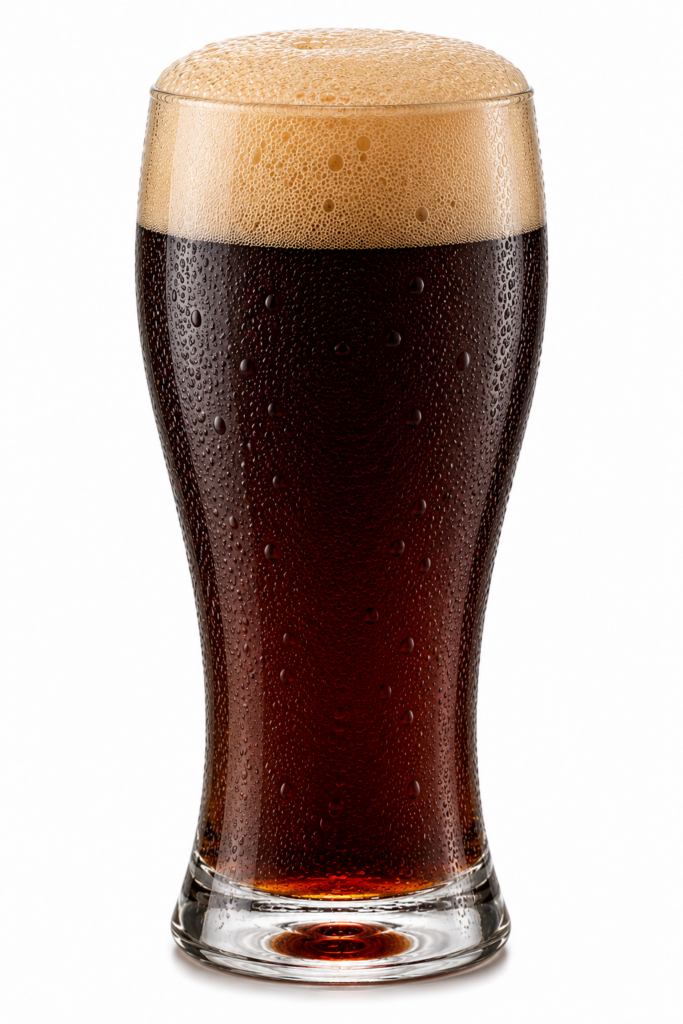
In the glass, Erdinger Pikantus appears brown, with mahogany, copper, or dark ruby hues visible when held up to the light. It may appear cloudy due to the presence of yeast and wheat proteins. This cloudiness is consistent with the nature of the beer and is not a defect.
The head is generally abundant, compact, and persistent, ranging in color from beige to light cappuccino. Its formation must be carefully monitored during pouring, as carbonation and wheat can quickly create a very voluminous crown.
The traditional weissbier glass, tall and flared at the top, enhances the beer's appearance and leaves room for the head. For a slower tasting experience, a tulip glass can also be used, which can further concentrate the aromas.
How to pour it
The bottle should be held upright before opening. When pouring, tilt the glass and slowly pour in most of the beer, avoiding excessive foam.
When a small amount remains at the bottom, you can gently swirl the bottle to distribute the yeast deposit and complete the serving. It's not necessary to shake vigorously: excessive shaking could cause the beer to spill.
Those who prefer a clearer drink can leave the sediment in the bottle. Adding yeast, however, creates a cloudy, creamier profile, marked by notes of bread and spice. Both options are possible, but pouring a full beer more closely reflects the traditional serving of a yeasted weissbier.
Aromas of fruit, bread and spices
Ripe banana, plum, raisins, and dark fruit emerge on the nose, accompanied by hints of toast, crust, caramel, and malt. The spicy component may recall cloves, sweet pepper, or a hint of vanilla.
As the temperature rises, nuances of chocolate, dried fruit, and dark sugar can also be perceived. These aren't necessarily added ingredients: they're sensory descriptors produced by the malts and yeast during the various stages of brewing.
The profile should remain harmonious. The toasted notes support the fruit without overpowering it, while the spiciness prevents the malt from becoming too sweet or monotonous.
Taste, body and finish
On the palate, Erdinger Pikantus offers a soft, malty entry. The body is full but is lightened by carbonation, which keeps the palate lively. Dark bread, caramel, and ripe fruit dominate initially, followed by banana, plum, and spice.
Hop bitterness remains moderate and serves primarily as a balancing factor. A drier roast may emerge towards the end, accompanied by a noticeable but generally well-integrated alcoholic heat.
The finish is long, with hints of dried fruit, malt, and cloves. Despite its velvety texture, the beer shouldn't taste like a liquid dessert: the carbonation, spiciness, and slightly dry finish help to keep the sweetness under control.
Temperature and pairings
A serving temperature between 9 and 12°C (48 and 54°F) allows Pikantus's complexity to shine through. If served too cold, the beer loses some of its fruity and spicy aromas; if too warm, the alcohol can dominate.
At the table, it pairs well with roasts, braised meats, game, pork, and mushroom dishes. Its notes of bread and caramel harmonize with dark sauces, roasted onions, and lightly smoky dishes.
Aged cheeses, with a washed rind or moderately blue veined, are recommended. With desserts, it pairs well with walnut tarts, plum desserts, or moderately sweetened dark chocolate. It can also be served on its own after a meal, as a sipping beer.
Conservation and conclusion
The bottle should be stored upright, away from light and temperature changes. Before serving, it can be cooled gradually, avoiding the freezer. For extended periods, it is important to follow the instructions on the packaging.
Erdinger Pikantus expresses the most intense side of the Bavarian wheat beer tradition. The right temperature, careful pouring, and a large glass allow you to appreciate its malt, fruit, and spice. Full-bodied and warm, it's a beer designed for slow, mindful enjoyment.
The board

Brewer style

Alcoholic degrees

Service temperature

Recommended mug