DESCRIPTION
Franziskaner Hefe Weissbier Dunkel is a dark Bavarian wheat beer, brewed in the tradition of dunkel weizen. It combines the fruity and spicy aromas typical of hefe weizen with a more intense malty base, characterized by notes of toasted bread, caramel, and dried fruit.
The term "hefe" indicates the presence of yeast, "weissbier" identifies the family of Bavarian wheat beers, and "dunkel" means dark. Despite its color and greater maltiness, it is not necessarily a strong beer. The alcohol content is generally around 5% by volume, similar to that of many pale weissbiers; however, the precise figure should be checked on the packaging.
Franziskaner Dunkel shouldn't be confused with a weizenbock. The latter typically has a higher body and alcohol content. This beer, however, has a medium structure and maintains a good smoothness, yet is more enveloping than the pale version.
The character of a dunkel weizen
Dark weizens are brewed with a significant amount of wheat malt and darker barley malts than those used in pale hefeweizens. These malts develop aromas reminiscent of bread, biscuit, crust, and caramel, without necessarily achieving the intense roastiness of stouts.
The yeast remains central and generates the style's typical aromas, particularly banana and clove. These aromas don't indicate the addition of fruit or spices: they form naturally during fermentation.
Hops play a subtle role. The bitterness serves primarily to contain the malty sweetness and make the finish more balanced. Those accustomed to IPAs should therefore not expect resinous, tropical notes or a strong bitter finish.
Appearance, haze and foam
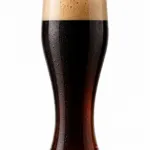
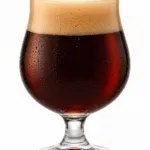
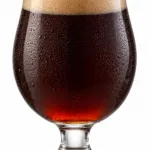
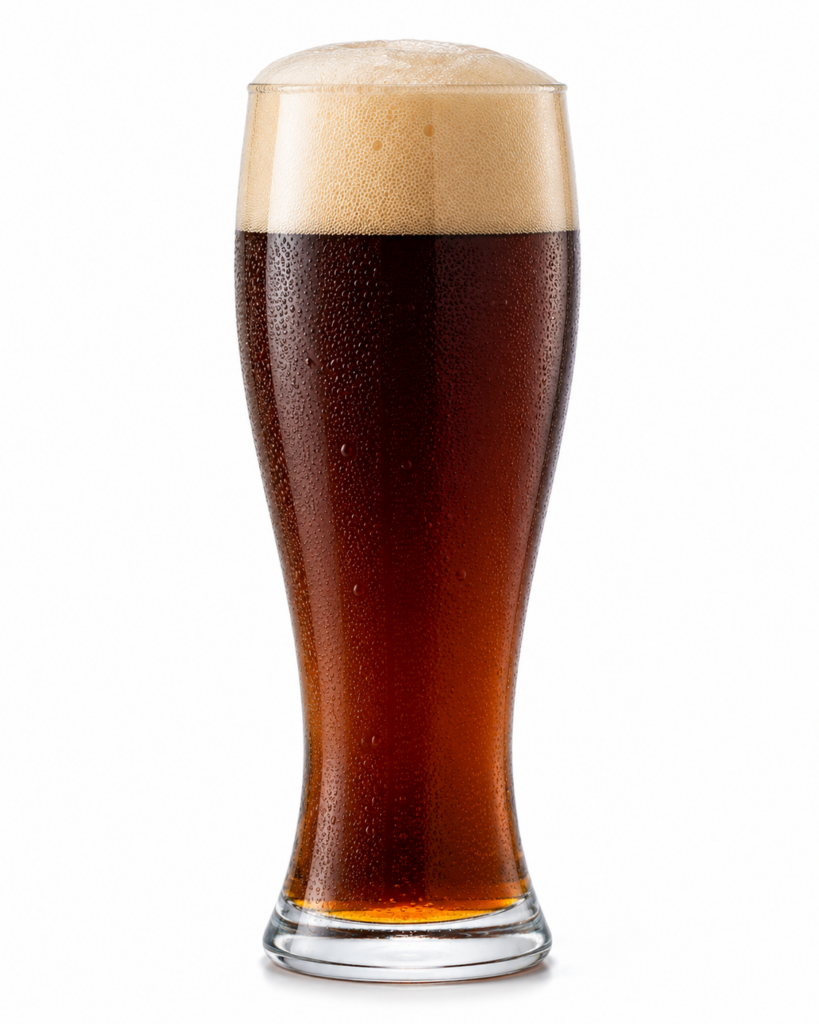
In the glass, Franziskaner Hefe Weissbier Dunkel appears brown, with copper, mahogany, or ruby highlights visible when held up to the light. The natural haze comes from the presence of yeast and wheat proteins. This isn't a flaw, but rather a characteristic consistent with the beer's nature.
The head is abundant, creamy, and ranges in color from dark ivory to light hazelnut. The wheat promotes good persistence, while the lively carbonation can make it grow rapidly during pouring.
It's important to use a clean, well-rinsed glass. Traces of detergent or grease can reduce the foam and alter the aromas. The glass should not be frozen: ice crystals and foreign odors could compromise the service.
How to pour it correctly
The traditional weissbier glass is tall, narrow at the base, and flared at the top. This shape highlights the color, leaves room for the head, and concentrates the aromas.
To pour, tilt the glass and slowly pour in most of the beer. When a small amount remains in the bottle, you can gently swirl it to distribute the yeast that has settled at the bottom, completing the service.
It's not necessary to shake the bottle vigorously. Excessive shaking can quickly release carbon dioxide and cause a spill. Those who prefer a less hazy taste can leave some of the sediment in the bottle, although the yeast contributes to the traditional hefeweizen profile.
Fruity and malty aromas
Ripe banana, cloves, and a faint note of pear or apple emerge on the nose. The malty component adds notes of dark bread, biscuit, caramel, and toasted cereal. Hints of hazelnut, vanilla, and dried fruit may also appear.
Chocolate or coffee notes, when present, are generally very subtle. A dunkel weizen shouldn't express the intense roastiness of a stout: the more accurate reference is well-baked bread, not burnt malt.
Temperature affects the bouquet. If the beer is served too cold, carbonation and freshness prevail; after a few minutes, the banana, spices, and toasted bread come through better. Overheating can make the sweetness too pronounced.
Taste, body and finish
On the palate, the entry is soft and malty. The medium body is supported by the texture of the wheat, while the carbonation makes the sip more agile. The initial sensations are reminiscent of bread, caramel, and biscuit, followed by banana and spice.
A light acidity contributes to the balance and prevents the malty component from becoming heavy. The bitterness remains moderate and accompanies a rounded finish, with hints of bread, cloves, and ripe fruit.
Sweetness is generally more aromatic than sugary. The perceived caramel comes primarily from the malts and doesn't necessarily imply the direct addition of caramelized sugar.
Beer can be pleasantly refreshing thanks to its carbonation, but it contains alcohol and is not a suitable beverage for rehydration. It should be consumed responsibly, especially on hot days.
Temperature and pairings
A serving temperature between 7 and 9°C enhances both the freshness and malty notes. A tall weissbier glass remains the most suitable choice, but a large goblet can also be used.
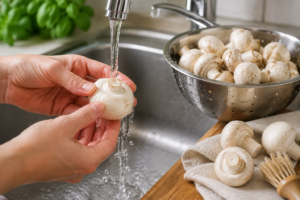
Franziskaner Hefe Weissbier Dunkel pairs well with pork, roast chicken, sausages, and mushroom dishes. Its bready, caramel notes pair well with pretzels, dumplings, baked potatoes, and roasted onions.
It pairs well with semi-mature cheeses, lightly smoked dishes, and savory pies. Desserts include walnut cakes, apple strudel, spiced biscuits, or moderately sweetened banana preparations.
Conservation and conclusion
The bottle should be stored upright, away from light and temperature changes. Before serving, it can be gradually chilled in the refrigerator, avoiding the freezer. It is best to consume it within the indicated shelf life to fully appreciate its freshness and aromas.
Franziskaner Hefe Weissbier Dunkel combines the softness of wheat with the richness of dark malts. Careful pouring and a moderate temperature enhance the interplay of banana, clove, toast, and caramel, keeping the drink balanced and convivial.
The board

Brewer style

Alcoholic degrees

Service temperature

Recommended mug