DESCRIPTION
L'Orso Verde Nubia is a dark craft beer produced in Busto Arsizio by Birrificio L'Orso Verde, now also known as Birra OV. It is generally classified as a Baltic Porter, a style characterized by a very dark color, a malty structure, and notes that can recall coffee, cocoa, caramel, and dark fruit.
Older labels report an alcohol content of 6,5%, while some current commercial presentations indicate 6,2%. The difference may be due to recipe updates or the production period, so the figure on the packaging remains the reference.
Even fermentation information isn't always consistent: some historical descriptions speak of top-fermentation, while more recent descriptions describe it as a bottom-fermented Baltic Porter. This second classification is consistent with the style's tradition, but to understand the process used for a specific batch, it's necessary to refer to the manufacturer's instructions.
A dark artisanal Lombardy
L'Orso Verde Brewery has been producing unpasteurized and unfiltered beers since 2004. Nubia is one of the brand's historic labels and represents the darker, more roasted side of the range.
Lack of filtration can leave a slight sediment at the bottom of the bottle, while lack of pasteurization requires greater attention to storage. The brewery recommends storing the bottles in a cool, dark place, and upright, so that the sediment collects at the bottom.
The term "double malt," used in some older descriptions, does not identify a beer style. In Italian law, it indicates a specific tax category linked to the Plato degree of the wort. It doesn't mean the recipe literally contains double the malt, and it doesn't, in itself, provide precise information about flavor.
What is a Baltic Porter?
Baltic Porter is a blend of British porters and the brewing traditions of the Baltic Sea region. Compared to many English porters, it generally has a higher alcohol content, cleaner fermentation, and a greater presence of malt, caramel, and dark fruit.
It shouldn't be automatically confused with a stout. The two styles share the same color and some toasted aromas, but a Baltic Porter tends to be softer, rounder, and maltier. Stouts, especially dry Irish ones, can have a sharper toastiness and a less sweet body.
Nubia interprets the style with a relatively low alcohol content. It doesn't reach the strength of many international 8 or 9% Baltic Porters, but it maintains a sufficiently structured profile to accompany a slow tasting.
Appearance and foam
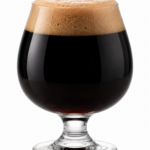
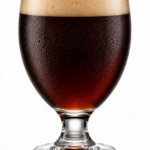
In the glass, Nubia appears very dark brown, sometimes almost black, with mahogany and ruby highlights, especially visible along the rim. The haze is difficult to see due to the color, but the beer is unfiltered.
The foam ranges from beige to cappuccino-colored and can be creamy and dense. Its persistence depends on the temperature, the batch, and how clean the glass is. Grease or detergent residue can quickly reduce it and interfere with the aromas.
Carbonation is generally moderate. This characteristic supports the sip without making it excessively fizzy, leaving room for the malty texture and toasted notes.
Aromas of coffee and licorice
The aromatic bouquet is dominated by coffee, licorice, and roasted malt. Notes of dark chocolate, cocoa, dark bread crust, and caramel may also emerge. As the temperature rises, nuances of dried fruit and dark fruits, such as plums or raisins, become perceptible.
Coffee, chocolate, and licorice are primarily sensory descriptors. They don't necessarily indicate the direct use of these ingredients: similar aromas can derive from roasted barley and dark malts.
The roasting, however, shouldn't evoke an aggressive burnt flavor. In a well-preserved bottle, the coffee and licorice should complement the sweetness of the malt, creating a deep yet balanced bouquet.
The Taste of Nubia
On the palate, the entry is soft and malty. The initial sensations recall caramel, black bread, and cocoa, followed by coffee and licorice. The body is medium to medium-full, more enveloping than a light porter but less dense than an Imperial Stout.
Bitterness comes from both hops and roasting. The roasted component can produce a dry sensation, similar to that of unsweetened coffee, which balances the initial sweetness. The finish is lingering and leaves notes of cocoa, licorice, and toasted grains.
Calling the body "robust" is accurate in comparison to a lager or pale ale, but Nubia shouldn't be portrayed as an extreme beer. Its strength lies above all in the balance between smoothness, roastiness, and drinkability.
Temperature and service
The recommended serving temperature is between 8 and 10°C. Serving it too cold will dull the aromas of coffee, chocolate, and dark fruit; serving it too cold will accentuate the sweetness and alcohol content.
An American pint glass, an English nonic glass, or a tulip glass are suitable. The glass allows for more concentrated aromas, while the pint glass offers a more informal service. If there is sediment, it's best to pour slowly, leaving the last residue in the bottle if you want a clearer beer.
Food pairings
Nubia pairs well with grilled meats, roasts, stews, and burgers. The toasted notes recall the crust formed during cooking, while the malty sweetness balances savory dishes.
It also pairs well with aged cheeses, smoked cured meats, and mushroom dishes. At the end of a meal, it can be served with dark chocolate, coffee desserts, or low-sugar desserts with hazelnuts and almonds.
Delicate fish, light salads and fresh cheeses are less suitable, as they would be easily covered by its toasted profile.
A balanced Baltic Porter
Nubia Green Bear is a craft dark beer that emphasizes coffee, licorice, cocoa, and roasted malt. The most common classification is Baltic Porter, while the alcohol content and fermentation may vary between historical and recent labels. Served between 8 and 10°C and stored in a cool, dark, and upright position, it offers a smooth and persistent sip, intense but not extreme. Like any alcoholic beer, it should be enjoyed in moderation.
The board

Brewer style

Alcoholic degrees

Service temperature

Recommended mug