DESCRIPTION
Samuel Smith's Taddy Porter is an English porter brewed in Tadcaster, North Yorkshire, at the historic Old Brewery. The beer is distinguished by its very dark color, smooth texture, and the bold character of the malt and roasted barley. The declared alcohol content is 5% by volume: moderate compared to many modern stouts, yet sufficient to support a rich and persistent aromatic profile.
Coffee, dark chocolate, licorice, and caramel are sensations primarily derived from roasted grains and fermentation. They do not indicate that these ingredients were added to the recipe. The declared ingredients include water, barley malt, roasted barley, hops, cane sugar, and yeast.
The Old Brewery of Tadcaster
The Old Brewery buildings date back to 1758 and are part of the long brewing history of Tadcaster, a town known for its mineral-rich waters. The brewery that today bears the name Samuel Smith began operating under this name in the late 19th century, after Samuel Smith inherited and refitted the old facility.
It's therefore correct to speak of one of Yorkshire's historic establishments, but it's important to distinguish the site's age from the birth of the current business. The Old Brewery is generally presented as the oldest still-operating brewery in the county, not necessarily the oldest in the entire United Kingdom.
The name "Taddy" is an informal reference to Tadcaster and underscores the beer's connection to the city. Taddy Porter doesn't date directly back to the 18th century: Samuel Smith introduced it in 1979, reviving a style that had largely lost popularity in the United Kingdom.
What is an English porter?
The porter originated in London in the 18th century and became particularly popular among workers who transported goods to markets, warehouses, and along the docks. The name is commonly associated with these porters. However, it is incorrect to refer specifically to railway porters, as the style developed before the advent of modern railways.
Porter and stout share many characteristics, and the distinction between the two families isn't always clear-cut. Historically, the term stout often referred to a stronger porter; only later did it gain greater autonomy. Today, a porter tends to be described as more malty, cocoa-y, and toasty, while many stouts emphasize coffee, roastiness, and bitterness. The actual differences, however, depend on the individual recipe.
Samuel Smith's Taddy Porter has a noticeable roastiness, but retains a soft, fruity malt component that distinguishes it from a particularly dry dry stout.
Fermentation in Yorkshire Squares
One of the hallmarks of Samuel Smith's production is the use of Yorkshire Squares, traditional open vessels used for ale fermentation. In the case of the Old Brewery, they are made of stone and are part of a production system still used by a few British breweries today.
During fermentation, the yeast rises to the top of the vessel and is managed to promote a smooth fermentation. This method contributes to the brewery's distinctive ales, with fruity nuances that complement the malt aromas.
The cane sugar listed in the recipe doesn't automatically make the beer sweet. A significant portion of the sugars is converted by the yeast during fermentation, contributing to the alcohol content and helping maintain a less heavy structure than the color might suggest.
Appearance and foam
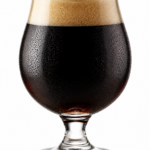
In the glass, Taddy Porter appears very dark brown, with a hue close to dark chocolate. When held up to the light, it may display ruby or mahogany highlights, especially along the rim. It isn't necessarily black and completely opaque like some more robust stouts.
The foam ranges from beige to light cappuccino and can form a creamy crown with good persistence. To ensure a long-lasting foam, it's important to use a perfectly clean glass, free of grease and detergent residue.
The beer should be poured slowly, starting with the glass tilted. By straightening it towards the end of the pour, you'll achieve a balanced layer of head, which helps collect and gradually release the aromas.
Aroma, taste and consistency
On the nose, toasted barley, bread crust, bitter cocoa, and coffee emerge. Dark caramel, licorice, ripe fruit, and a light earthy or herbaceous note may also emerge. Hops generally remain in the background, but contribute to the clean profile.
On the palate, the texture is soft and velvety, with a medium body tending towards full. The entry features a restrained malty sweetness, quickly followed by the dryness of roasted barley. Hints of chocolate and coffee intertwine with a delicate fruity note.
The bitterness is present but not aggressive. It comes from the combination of hops and roasting and leads to a dry, slightly acidic, and bitterish finish. The finish can be described as bittersweet rather than simply dry: it retains hints of cocoa, malt, and coffee without becoming overly heavy.
Temperature and glass
The recommended serving temperature is around 12-13°C. Serving Taddy Porter too cold will make the chocolate, fruit, and roasted notes less distinct; letting it warm too much could accentuate the malty sweetness.
The traditional glass is a Nonic pint glass, recognizable by the slight bulge at the top. An ale tumbler or a loosely closed glass are also suitable. It's not necessary to use a frozen glass, as the extreme cold would reduce the aromatic complexity.
Food pairings
Taddy Porter pairs well with oysters, mussels, clams, and other shellfish: its marine flavors create a striking contrast with the malt and toasted notes. It pairs well with smoked fish, mackerel pâté, shellfish soups, and mushroom dishes.
With meat, it pairs well with steaks, burgers, roasts, and not overly spicy stews. Aged cheddar, smoked products, and medium-strength blue cheeses are recommended.
At the end of a meal, it can be served with dark chocolate, lightly sweetened brownies, or coffee desserts. A very rich dessert, however, would risk overpowering the dryness of the porter.
Conservation and conclusion
The bottle should be stored away from light and heat, preferably upright. Taddy Porter does not require long aging: it is recommended to consume it within the indicated time frame to preserve its balance and purity.
Samuel Smith's Taddy Porter is a traditional yet contemporary English porter, recognizable by its roasted malt, velvety body, and bittersweet finish. A moderate serving temperature, careful pouring, and a savory pairing allow you to fully appreciate its character.
The board

Brewer style

Alcoholic degrees

Service temperature

Recommended mug