DESCRIPTION
Casanova Dry is a cocktail with a dry, bold, and elegant profile, designed to be served very cold and in a simple presentation. The name evokes a refined and seductive imagery, but it doesn't identify a single, universally codified international formula. This name can therefore be used to create a variety of recipes, based on spirits, aromatized wines, liqueurs, or citrus components.
The drink's character must be defined above all by balance. The term "dry" doesn't necessarily mean a complete absence of sugar, but it does indicate a moderate sweetness and a clean finish. Even when the drink includes a liqueur or aromatized wine, these elements must support the alcoholic base without making the drink heavy.
What does “dry” mean?
In the language of mixology, the word "dry" can describe a cocktail in which sweetness is limited and dry, herbal, citrus, or bitter notes prevail. It doesn't automatically indicate a higher alcohol content and doesn't guarantee that the drink is completely sugar-free.
The perception of dryness depends on the balance between all the components. A neutral or botanical spirit may appear smoother when paired with a sweet liqueur, while a slight acidic or bitter note makes the finish sharper.
Temperature also plays an important role. A very cold cocktail often tastes less sweet and alcoholic than the same mixture tasted at room temperature. For this reason, final adjustments should be made after the initial mixing with ice.
A recipe that is not universally codified
Unlike cocktails like the Negroni, Manhattan, or Daiquiri, the Casanova Dry doesn't have a uniformly recognized historical formula. The name can be used for a variety of preparations, all of which share an elegant structure and a dry flavor.
It's therefore important to follow the specific recipe associated with the drink, avoiding automatically attributing undocumented ingredients or origins. The presence of an evocative name alone does not prove a direct historical connection to Giacomo Casanova or a particular establishment.
This freedom allows bartenders to interpret the cocktail with different spirits, but it requires consistency. Each element should have a specific function and contribute to a harmonious sip, rather than adding complexity simply to make the preparation more elaborate.
The alcoholic base
When Casanova Dry is made with gin or vodka, the spirit determines much of the character. Gin adds juniper, herbs, flowers, and citrus, while vodka generally offers a more linear profile and leaves more room for the aromatic components.
Brandy and grape spirits can also be used in some interpretations, creating a warmer, more rounded character. In this case, the definition of "dry" will depend on the sweetness control and the presence of elements capable of lightening the finish.
The bottle can be chilled before use, but it's not necessary to bring it to extreme temperatures. A spirit that's too cold temporarily loses some of its aromas. The dilution achieved during blending remains essential for softening the alcohol and blending the flavors.
How to balance sweetness and intensity
A sweet component may be necessary even in a dry cocktail. Its role is to round out the base and connect the flavors, without being overly dominant.
Liqueurs, flavored wines, and syrups have very different sugar content. It's therefore helpful to taste them separately before adjusting. Automatically adding more sweetener can compromise the dry character.
If the cocktail is too sweet, a little acid or bitter note can cleanse the finish. However, you shouldn't overdo it: a dry drink doesn't necessarily have to be harsh or aggressive.
If the base seems too alcoholic, the problem may be due to insufficient dilution. It's best to check the mix before increasing the sweeteners, which would only temporarily mask the imbalance.
Shaken or stirred
The technique depends on the recipe. If the Casanova Dry contains only spirits, aromatized wines, clear liqueurs, or bitters, it can be mixed with ice in a mixing glass. This method keeps the cocktail clear and produces a silky texture.
When using juices, purees, or thick ingredients, a shaker allows for a more uniform mix. Shaking incorporates small air bubbles and may temporarily make the drink less clear, but it ensures rapid cooling.
In both cases, the ice must be solid, compact, and odorless. Partially melted cubes will absorb water too quickly and make it difficult to control the dilution.
The cocktail should be strained into a chilled glass. If it contains pulp or herbal fragments, double straining will provide a cleaner consistency.
Temperature and glass
The Casanova Dry expresses its character best when served at a very low temperature. The glass should be chilled beforehand, as the cocktail is generally served without ice.
A moderately sized glass is preferable to an excessively large one. This way, the drink stays cold for the necessary amount of time, and the serving maintains a balanced ratio between strength and serving size.
Alternatively, the preparation can be poured into a low tumbler with a single large ice cube. This option produces a slow dilution and makes the sip progressively smoother, but it offers a different experience than serving it without ice.
The decoration
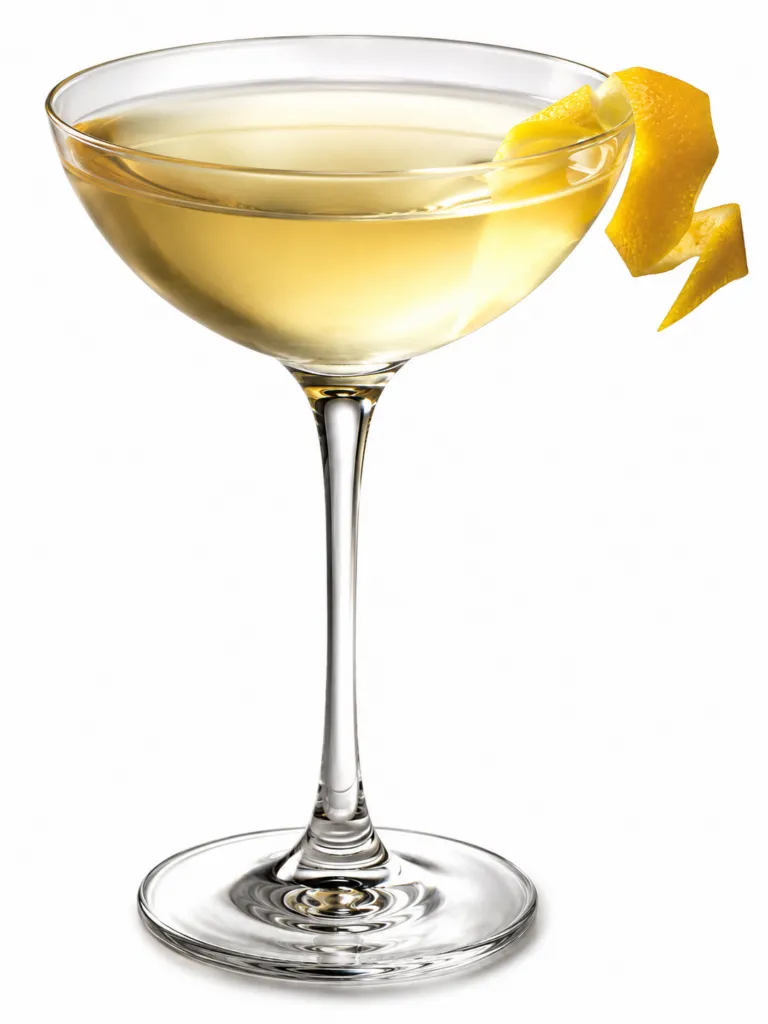
The garnish should be simple and consistent with the flavors present. A lemon twist adds a fresh, clean aroma, while orange zest creates a smoother sensation.
The peel should include mostly the colored part. Folding it over the glass releases the aromatic oils, which can then be distributed over the rim.
An olive introduces a savory note and is only suitable if the recipe has a sufficiently dry and botanical profile. Cherries or sugary decorations can alter the balance and are less suitable when a dry finish is desired.
Conservation of components
Spirits can be measured out shortly in advance, while juices and zests should be prepared close to serving time. Freshly squeezed citrus fruits gradually lose their freshness and may develop a duller flavor.
If the recipe includes vermouth or other aromatized wines, opened bottles should be resealed and stored in the refrigerator. These products are susceptible to oxidation and should not be treated as shelf-stable spirits.
The finished cocktail should be mixed with ice and served immediately. Preparing it too early raises the temperature and makes it more difficult to maintain the correct consistency.
A cocktail to be enjoyed with care
A successful Casanova Dry should have a measured sweetness, a recognizable base, and a clean finish. A very low temperature can make the alcohol less noticeable, without reducing its quantity. Since it's a dry and often concentrated drink, it's important to serve it in an appropriate portion and consume responsibly.
The quality of the ice, the dilution, and a simple garnish are the elements that best enhance this style. Crafted with precision, Casanova Dry offers an elegant and decisive sip, leaving the specific recipe to define its aromatic personality.
The board

Ingredients
- 6 cl Gin dry
- 1 cl Dry Vermouth
- 1 cl triple sec
- qb Ice
- Lemon zest for decoration

Preparation
- Fill a mixing glass with ice
- Pour the dry gin, dry vermouth and triple sec
- Stir gently with a bar spoon until the mixture cools.
- Strain into a chilled cocktail glass
- Garnish with a lemon twist

Alcoholic degrees

Recommended glass