PRESENTATION
Le grilled porcini mushrooms They're a preparation that showcases one of the most popular mushrooms in Italian cuisine. Simple to make and characterized by an intense aromatic profile, they're a perfect example of how a simple cooking technique can enhance the quality of the raw material.
Porcini mushrooms are known for their meaty texture, distinctive aroma, and rich flavor, making them a staple in numerous seasonal recipes. Grilling preserves much of their personality, adding a pleasant toasted note and a lightly browned surface.
This dish can be served as a side dish, a rustic appetizer, or as a light main course in a vegetarian menu. The final result depends primarily on the choice of mushrooms and the ability to cook them without altering their natural structure.
Choosing and preparing porcini mushrooms
To obtain excellent grilled porcini caps, it's essential to start with fresh, healthy mushrooms. Porcini should be firm, with an intact cap and a firm stem. Consistency is important because it allows the mushroom to retain its attractive texture even after being grilled.
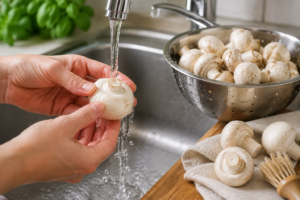
Cleaning requires special care. Mushrooms should not be left submerged in water, as they tend to absorb it easily and could lose some of their aroma during cooking. It's best to remove any soil residue using a soft brush or a slightly damp cloth.
After cleaning, the caps are separated from the stem, which can be used for other preparations such as sauces, risottos, or fillings. The upper part of the porcini mushroom, thanks to its wider and more compact structure, is particularly suitable for direct grilling.
Grilling
Grilling is one of the most effective techniques for enhancing the flavor of porcini mushrooms. The intense heat allows the surface of the mushroom to develop light toasted notes, while the inside maintains a soft and juicy texture.
Before cooking, the caps are usually seasoned with extra virgin olive oil, salt, and pepper. This essential seasoning is sufficient to complement the mushroom's natural flavor without overpowering its aromatic profile.
The grill must be very hot before placing the mushrooms on top. Adequate temperature allows for quick and even cooking, preventing the mushrooms from releasing too much juice and losing their texture. Cooking times may vary depending on the size of the mushrooms, but generally a few minutes per side is sufficient.
While cooking, it's important to avoid constantly moving the mushrooms. Direct contact with the hot surface promotes a light browning and contributes to more intense aromas.
Flavours and seasonings to complete the dish
One of the strengths of grilled porcini mushrooms is the ability to complement them with simple seasonings that enhance their flavors. A drizzle of extra virgin olive oil added at the end of cooking adds tenderness and helps distribute the flavors better.
Lemon juice can be used sparingly to add a fresh, slightly acidic note. This helps balance the mushroom's full flavor without altering its identity.
Chopped fresh parsley is also a traditional accompaniment. Its herbaceous aroma creates a pleasant contrast with the earthy notes of the porcini mushrooms and adds color to the dish. In some variations, other delicate aromatic herbs can be used, as long as they don't overpower the main flavor.
A dish linked to seasonality
Grilled porcini mushrooms are a recipe deeply rooted in the mushroom-harvesting season, especially in the autumn months and in areas where the tradition of wild forest cuisine is most prevalent.
Their simplicity makes them suitable for many occasions. They can be served as an appetizer at a barbecue, accompany meat-based main courses, or round out a vegetarian menu with a bold ingredient.
Porcini mushrooms create a natural pairing with roasted or grilled meats thanks to their texture and rich aroma. They can also become the centerpiece of a standalone dish when paired with toasted bread, seasonal vegetables, or other simple ingredients.
The value of essential cooking
Le grilled porcini mushrooms They demonstrate how a simple preparation can yield a complex and satisfying result. No elaborate cooking or numerous ingredients are needed: the real star is the mushroom, with its aroma and texture.
The grill becomes the ideal tool for respecting the raw material, enhancing its natural flavor and adding a smoky nuance that enriches the taste experience.
This recipe is part of the most authentic seasonal cuisine, one that follows the rhythm of nature and highlights the produce available at specific times of the year. Grilled porcini mushrooms are therefore an example of a balance between simplicity, technique, and attention to ingredients.

RECIPE




Ingredients
- 4 porcini mushroom caps
- qb extra virgin olive oil
- 1 tuft/s parsley (fresh)
- qb salt
- qb pepper
- 2 segments garlic
- herbs (optional: oregano or thyme)

Preparation
1 | Clean the porcini mushrooms Remove any soil from the caps with a soft brush or damp cloth, avoiding washing the mushrooms under running water to avoid making them watery. |
2 | Cut and prepare Carefully remove the stems (if you wish to cook them separately later) and make small cuts in the center of the caps to promote even cooking. |
3 | Season Generously brush each cap with extra virgin olive oil, season with salt and pepper, and — if desired — with chopped garlic and parsley. |
4 | Heat the grill Bring the grill to medium-high heat and make sure it is well cleaned and lightly oiled before placing the mushrooms on it. |
5 | Cooking the caps Arrange the caps on the grill with the inside facing down and cook for about 10–15 minutes, turning them only once until evenly browned. |
6 | Finish cooking and serve Once cooked, transfer the caps to a serving dish, adjust the raw oil if necessary and finish with an additional sprinkling of black pepper. |

Pairing suggestions

Wine: A light Pinot Noir with earthy aromas and light fruity notes balances the intensity of the porcini mushrooms without overpowering their flavor.

Beer: A light amber beer with toasted malt notes pairs well with the meaty texture of the mushrooms and the smoky grill.