PRESENTATION
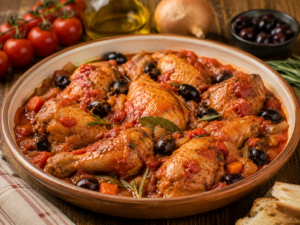
Il Chicken Cacciatore It's a rustic Italian main course, prepared with pieces of chicken browned and then slowly cooked with tomatoes, red wine, black olives, vegetables, and herbs. The result is a tender meat, accompanied by a flavorful and well-structured sauce that invites you to add a few slices of homemade bread.
Like many traditional home recipes, it comes in numerous variations. Some versions use white wine, others red; some call for generous amounts of tomato, others use much less. This interpretation focuses on a classic base of onion, carrot, and celery, enriched with garlic, bay leaves, rosemary, and black olives.
Choosing and preparing the chicken
Thighs, drumsticks, drumsticks, or a whole chicken cut into even pieces are particularly suitable for this preparation. Bone-in, skin-on cuts maintain a good structure during cooking and contribute to a richer jus.
Before starting, simply check the meat and pat it dry with paper towels if it has a lot of surface moisture. It's not necessary to rinse the chicken under running water, as splashes can contaminate the sink, utensils, and surrounding surfaces.
If the pieces are very different in size, it's a good idea to take into account the different cooking times, checking the larger and thicker ones more carefully.
A good initial browning
In a large saucepan, heat a moderate amount of extra virgin olive oil, then arrange the chicken pieces without overlapping. If necessary, it's best to cook in two batches to prevent the pan temperature from dropping too much.
The meat should be browned on several sides before turning. This step develops flavor and color through the Maillard reaction, but it doesn't seal the juices inside the meat.
Once the surface is golden brown, the chicken can be temporarily transferred to a plate while you prepare the aromatic sauce.
Onion, carrot, celery and garlic
Add the finely chopped onion, carrot, and celery to the same saucepan. The heat should be set to medium or medium-low so the vegetables soften without burning.
The garlic can be added whole and lightly crushed, then removed before serving, or minced if you prefer a more pronounced presence. There's no need to brown the sauté until it's deep brown; just make sure the vegetables are soft and aromatic.
If the bottom tends to dry out too much, you can add very little hot water instead of excessively increasing the quantity of oil.
Blend with red wine
Once the vegetables are ready, return the chicken to the pan and add the red wine. Let the liquid simmer for a few minutes, so it reduces and loses some of its alcohol content.
It's incorrect to assume all the alcohol has evaporated in a few minutes: the residual amount depends on the cooking time and method. Above all, the wine should blend with the base and leave an aromatic note without being overwhelming.
It is preferable to choose a dry and not excessively tannic wine, because the flavors concentrate during the reduction.
Tomato and aromatic herbs
Peeled tomatoes can be roughly crushed before adding to the saucepan. The sauce doesn't need to completely cover the chicken; it's sufficient to create a generous base for the meat to cook gently.
Bay leaves and rosemary should be added sparingly. A bay leaf and a small sprig of rosemary are often enough to flavor the dish without overpowering the flavor of the meat.
If the stock appears too thick in the initial stages, you can add a little hot broth, preferably not too salty.
Slow cooking
After bringing the sauce to a light simmer, lower the heat and continue cooking gently. The lid can be left slightly ajar to limit excessive evaporation without retaining too much steam.
During cooking, you can turn the chicken once or twice to better distribute the seasoning. It's important to avoid a violent boil, which would reduce the sauce too quickly while the meat still needs time to cook.
The chicken must be thoroughly cooked. A kitchen thermometer allows you to accurately check the thickest part: around 165°F (74°C) is a useful safety reference.
When to add olives
Drain the black olives and, if they're particularly salty, rinse them quickly. It's best to add them towards the end of cooking, when the chicken is almost done.
This way, they maintain their consistency better and release their flavor without dominating the sauce. Because of the olives, it's best to adjust the salt only after tasting the sauce.
If olive stones are present, it is a good idea to let your guests know or use already pitted olives.
Shrink the bottom
In the final minutes, you can remove the lid and let the sauce reduce over medium heat. The ideal sauce should be thick and stick to the meat without becoming dry or overly concentrated.
If the chicken is already cooked but the sauce is still too thin, it's best to temporarily remove the meat and let the sauce reduce on its own. This way, you avoid unnecessarily prolonging the cooking time.
Once the heat is off, remove the bay leaves, rosemary and any whole garlic, then finish with chopped fresh parsley.
Rest and service
Il Chicken Cacciatore It can be served immediately or prepared a few hours ahead. After cooling, it should be refrigerated and gently reheated before serving, adding a little water or broth if the sauce has thickened too much.
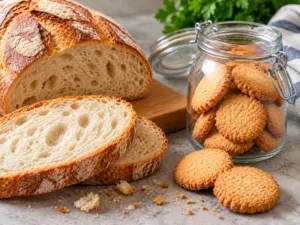
Homemade bread, polenta, potatoes, or simple cooked vegetables are suitable accompaniments because they absorb the sauce well without interfering with its flavors.
The ideal result is a fully cooked but still tender meat, easily recognizable olives, and a balanced tomato base, flavored with wine and aromatic herbs. With careful browning, gentle cooking, and controlled reduction, the Chicken Cacciatore It maintains all the simple and convivial character of stewed dishes.

RECIPE




Ingredients
- 1,2 kg chicken (in pieces)
- 400 g tomatoes (peeled)
- 120 g black olives
- 1 onion
- 1 carrot
- 1 coast(es) celery stalk
- 1 segment(s) garlic
- 0,5 glass(es) Red wine
- 100 ml broth (or hot water)
- 3 spoon(s) extra virgin olive oil
- 2 leaf(s) laurel
- 1 twig(s) rosemary
- qb parsley (fresh)
- qb salt
- qb black pepper

Preparation
1 | Prepare the ingredients Pat the chicken pieces dry with paper towels and season with salt and pepper. Finely chop the onion, carrot, and celery. |
2 | Brown the chicken Heat the extra virgin olive oil in a large saucepan and brown the chicken over medium-high heat until evenly browned. |
3 | Set the meat aside Temporarily transfer the chicken to a plate and keep warm. |
4 | Prepare the soffritto In the same saucepan, add the onion, carrot, celery and garlic and let them soften over low heat for about 5 minutes. |
5 | Blend with wine Return the chicken to the pan, add the bay leaves and rosemary, and pour in the red wine, allowing the alcohol to evaporate. |
6 | Add the tomato Coarsely crush the peeled tomatoes and add them to the meat. |
7 | Cook slowly Pour in the hot broth, partially cover and continue cooking over low heat for about 35-40 minutes, turning the chicken occasionally. |
8 | Add the olives Add the black olives about 10-15 minutes before the end of cooking. |
9 | Narrow the bottom Remove the lid if necessary and let the sauce reduce until it reaches a thick consistency. Season with salt and pepper. |
10 | To serve Let it rest for a few minutes, garnish with chopped fresh parsley and serve with plenty of cooking juices. |

Pairing suggestions

Wine: A fresh and structured Chianti Classico DOCG, ideal with tomatoes, olives and the intense flavour of chicken.

Beer: A smooth and slightly malty Amber Ale or Belgian Dubbel, perfect with braised meats and savory seasonings.

Contour: Baked potatoes, soft polenta, grilled vegetables, or toasted homemade bread.

Variations: Add mushrooms, capers, or some sliced peppers for an even richer, Mediterranean-style version.